Garden by the people, for the people 发布时间:2024-05-14
Changning has been exploring the highly composite utilization of high-density urban space, focusing on creating urban “habitat gardens” since 2019.
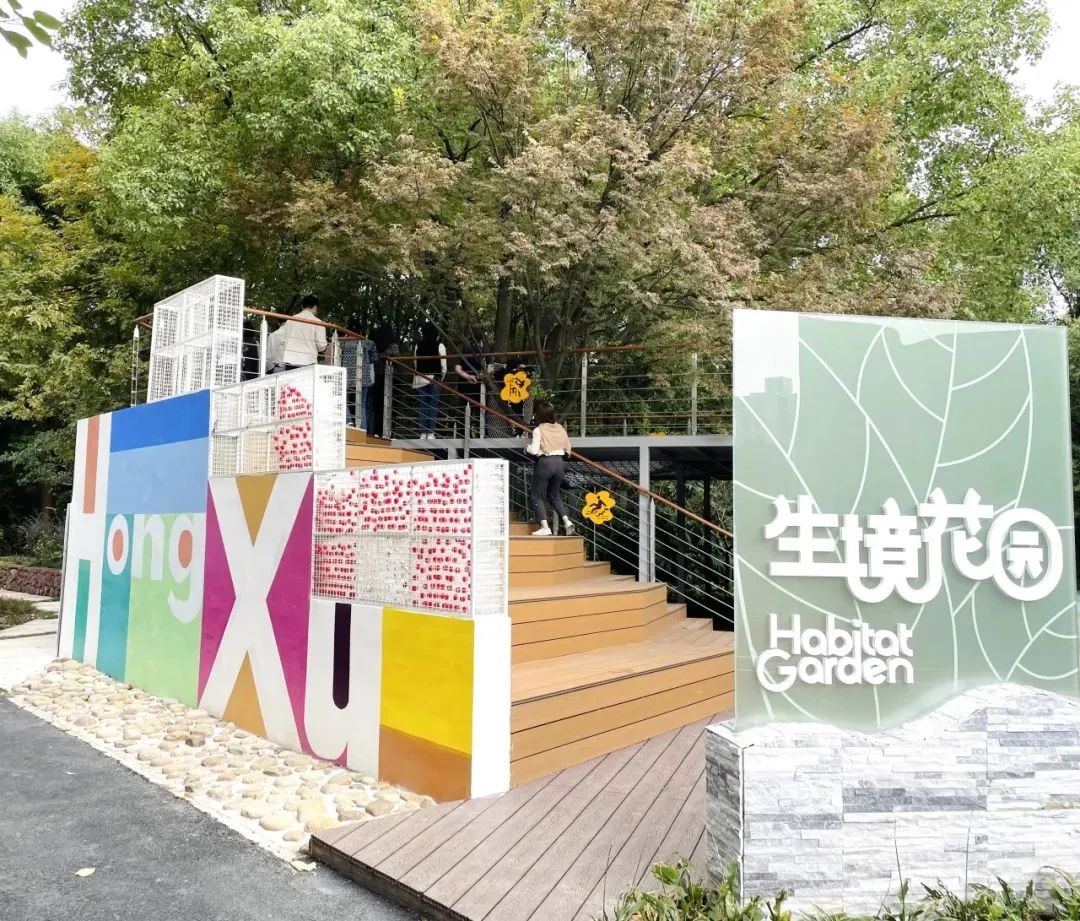
So far, 24 habitat gardens have been built (including 21 in old residential areas, two in primary and secondary schools, and one in commercial facilities), with a total construction area of 15,300 square meters.
In the construction of various habitat gardens, Changning has always adhered to the concept of “People’s City by the People, People’s City for the People,” adhered to the participation of the whole society, the full process of people’s democracy, and the full cycle of creation, organized and mobilized residents to use their wisdom together, design habitat gardens, work together, build habitat gardens, manage, operate and maintain habitat gardens, enjoy habitat gardens and participate together.
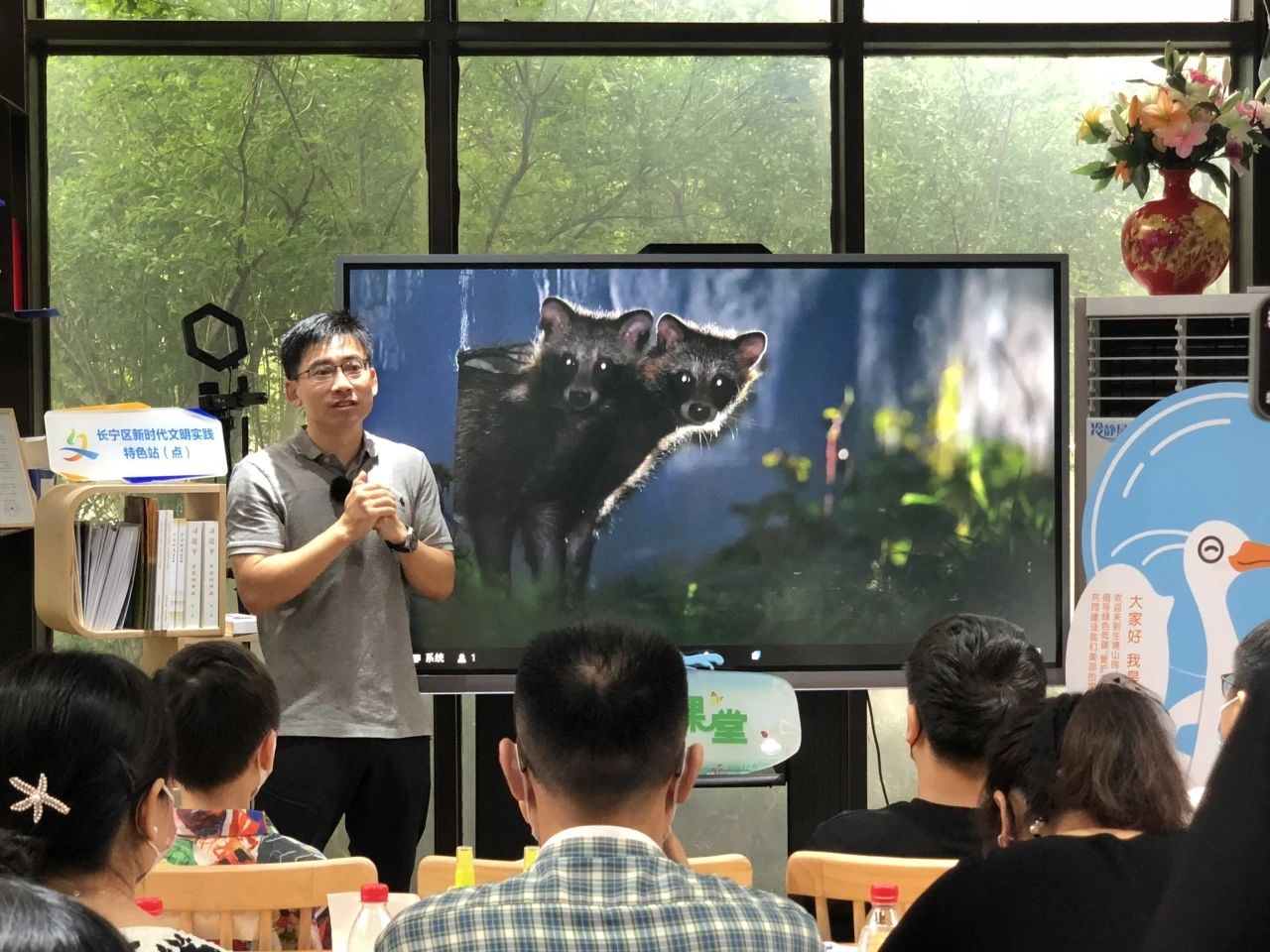
A habitat garden in Changning has been rated as one among the “100+ Biodiversity Positive Practices and Actions Around the World” by the United Nations.
Namely breathable urban community ecosystem-Leyi Habitat Garden in Xinjing Town, it was picked by the UN among 258 cases from 26 countries.
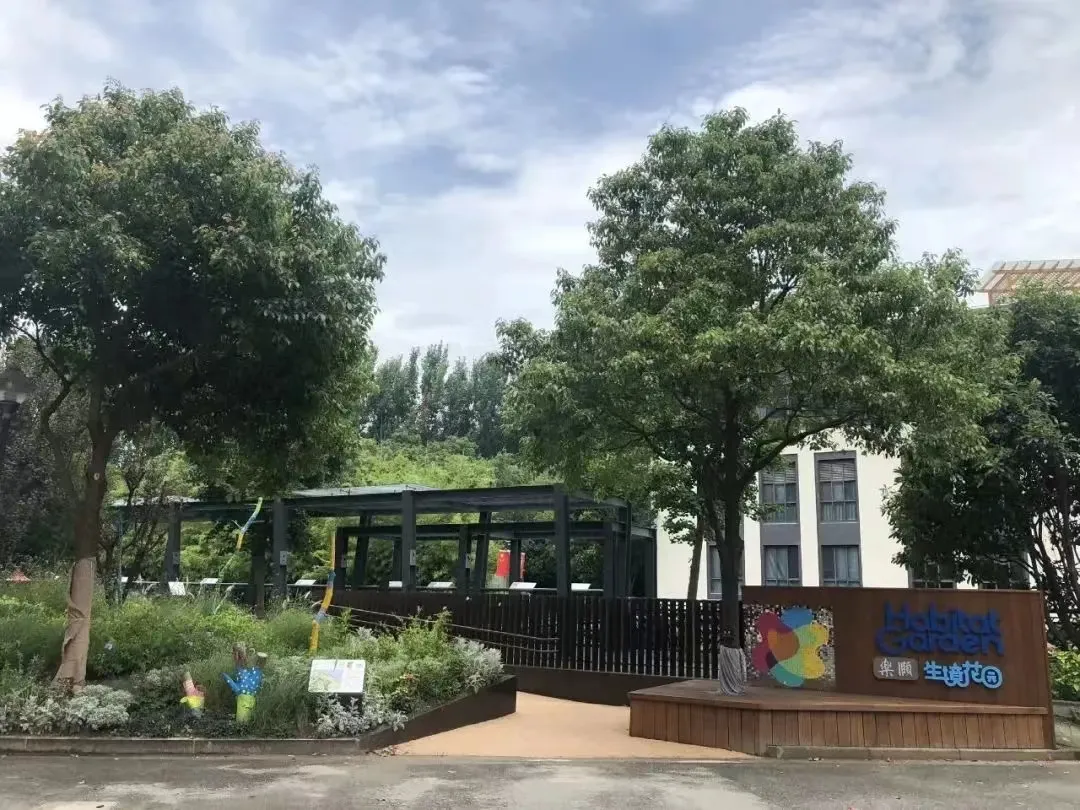
One of the biggest among its peers in Shanghai, Leyi Habitat Garden covers 732 square meters. The garden is divided into five parts. A pavilion with a canopy frame provides a space for residents to relax. Cultivation areas grow herbs and vegetables, and a small pond is surrounded by flowers.
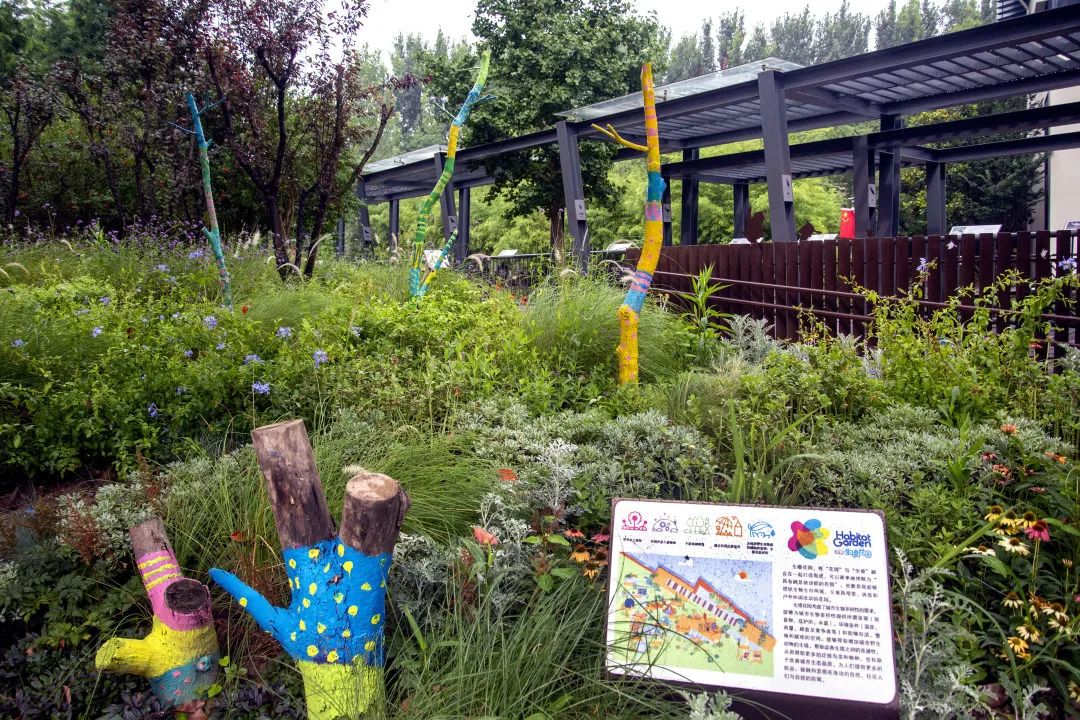
The pond is a magnet for wildlife. Magpie robins, sparrows and spotted doves are frequent visitors, and birds not usually seen in city neighborhoods, such as hoopoes and Chinese grosbeaks, have also been spotted drinking and bathing at the pond.
An artificial spring with a steady flow is next to the pond, together with a pebble path.
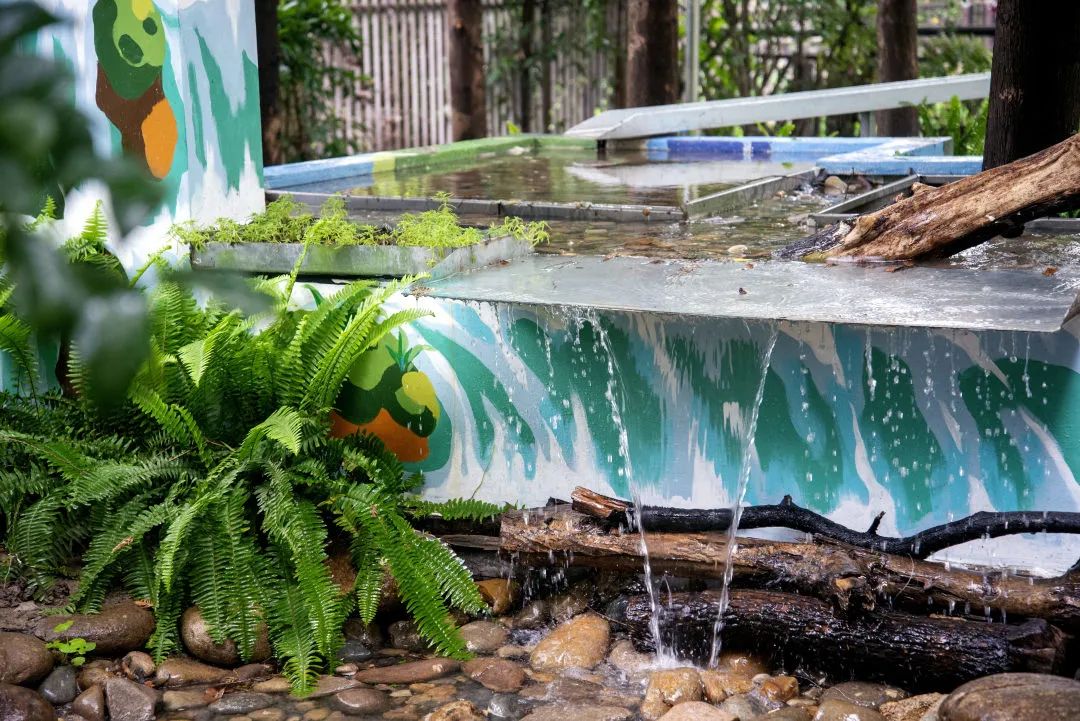
Changning plans to construct no less than 30 community habitat gardens during the 14th Five-Year Plan period (2021-2025).
Since 2020, the demonstration of urban biodiversity conservation in Changning’s habitat gardens has been successfully implemented from point to line and from line to surface, creating a model for urban biodiversity conservation.
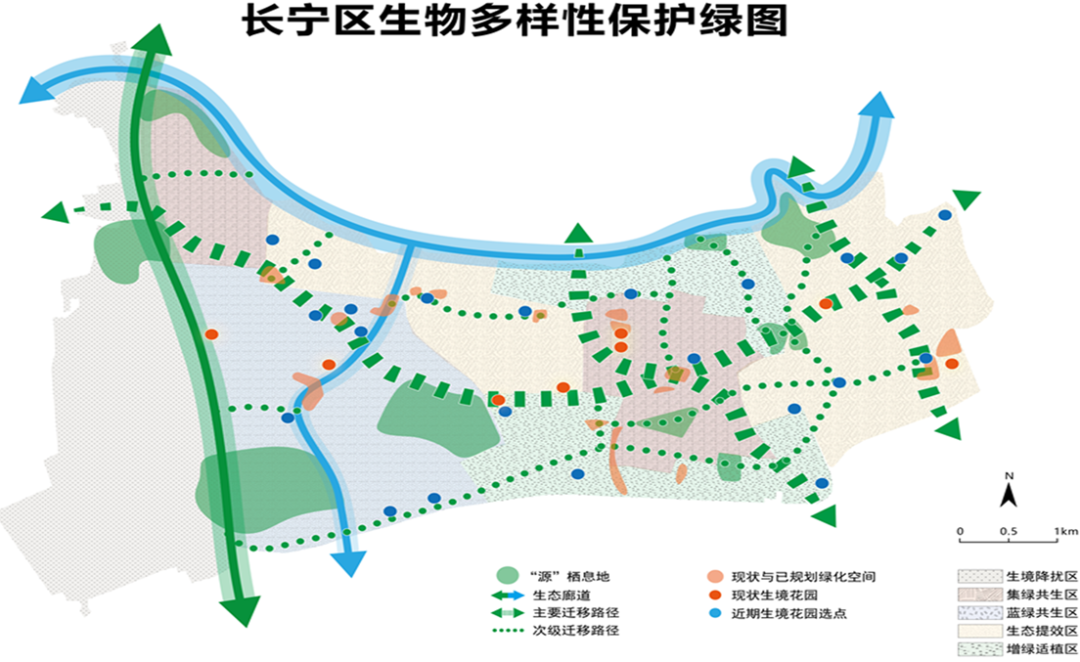
In the future, while creating the best demonstration site, the habitat garden project in Changning will focus on the dissemination and promotion of the concept and design methods of habitat gardens, so that more people can understand and use habitat gardens, promote the formation of urban habitat garden network, and enable more urban green spaces to improve habitat functions, enhance urban biodiversity, and help the district better cope with climate change, build an ecological community where humans and nature coexist harmoniously.
The construction of many habitat gardens has greatly promoted the transformation of old residential areas, improved the quality of the surrounding living environment, and increased the attention of all sectors of society to community autonomy and co-governance.
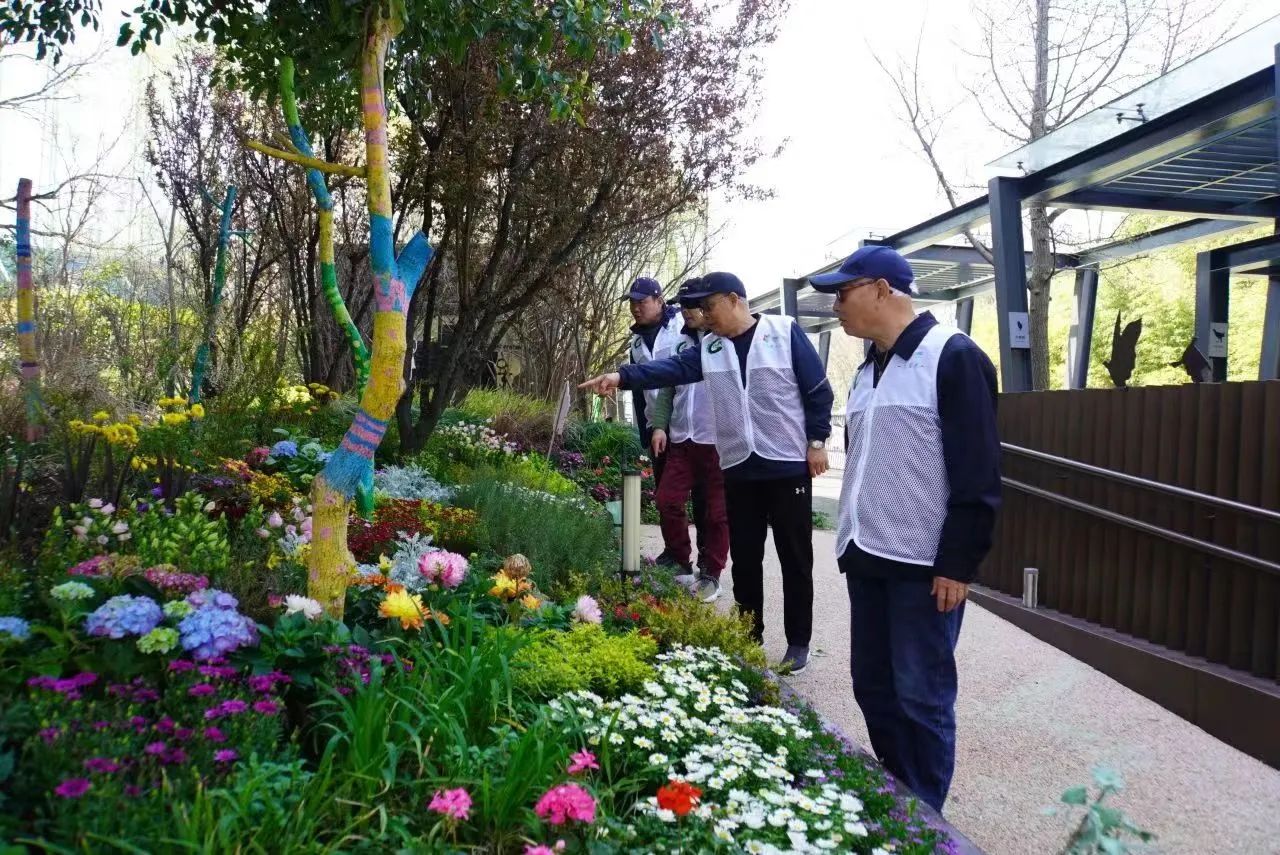
It has become an immersive green autonomous carrier for community residents, helping to build a social governance community of co-construction, co-governance, and sharing.
Some communities have established ecological civilization practice bases, built habitat experience centers, and explored the combination of habitat and elderly care, making habitat gardens a shared space for the people.
Edited by Shanghai Daily