Two Changning-based multinationals’ China operations gain global manufacturing honors 发布时间:2026-01-30 信息来源:上海长宁
The World Economic Forum recently released its list of Lighthouse factories, recognized as the world’s most advanced.Unilever’s Hefei FTC (Factory-to-Consumer) distribution center was included on the list, becoming the first logistics operations center in the global fast-moving consumer goods industry, the first in Asia, and Unilever’s first facility worldwide to receive this recognition.Meanwhile, Michelin Shenyang Tire Company was recognized as Productivity Lighthouse for its systematic use of digital technologies, including AI, machine vision, and big data, across the entire tire manufacturing process. It is the first and currently only passenger car tire manufacturer in China to earn this honor.
Unilever’s Hefei FTC distribution center
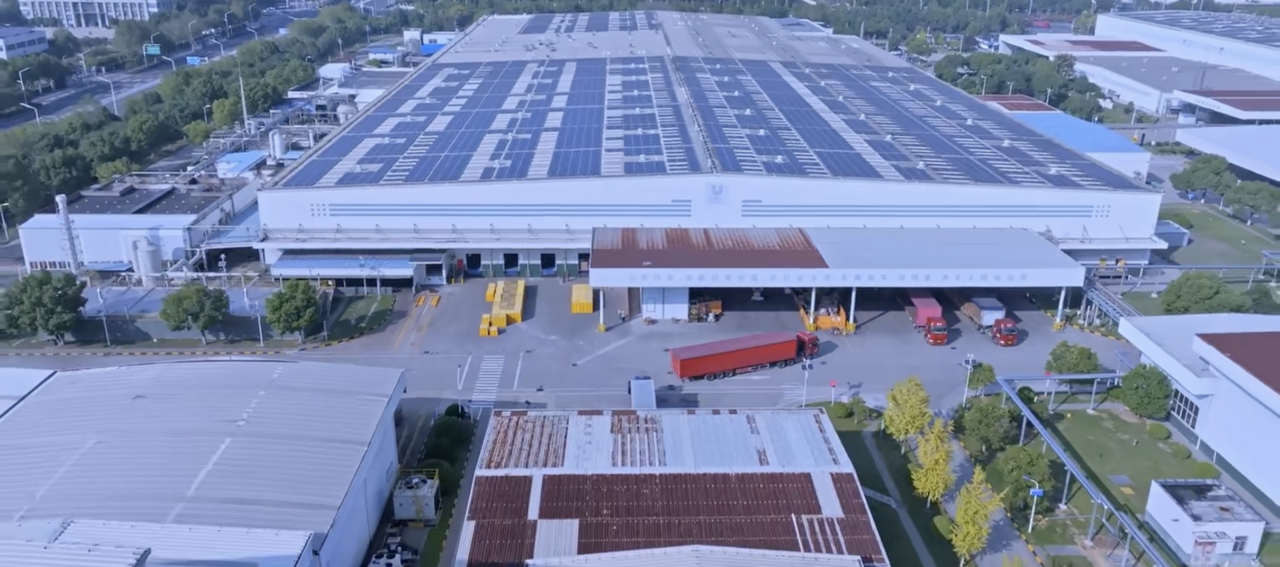
Since its launch in 2018, the Global Lighthouse Network (GLN) has recognized more than 200 factories across over 30 industries worldwide, including over 100 in China. It is considered a mark of the world’s most advanced factories, showcasing the highest standards of smart manufacturing and digital innovation.Unilever’s Hefei FTC distribution center was added to the list for its innovative FTC logistics model and strong supply chain agility, earning the title of “Supply Chain Resilience Lighthouse.”
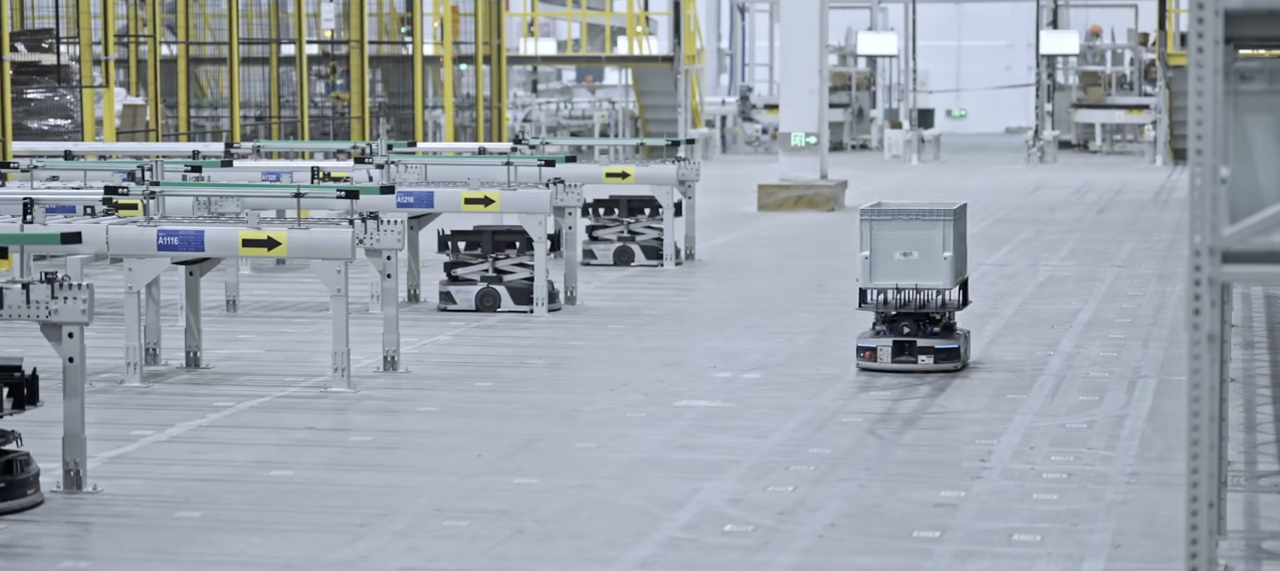
In response to these challenges, Unilever’s Hefei FTC distribution center has successfully developed an innovative FTC model, implementing 31 digital solutions, 65 percent of which are powered by AI and generative AI. These technologies enable daily demand forecasting, inventory optimization, smart picking, and AI-supported warehouse management. As a result, the center has improved forecast accuracy by 39 percent, shortened delivery cycles by 75 percent, and reduced operational costs by 24 percent. Its three core areas of innovation are:
• The new FTC logistics model breaks the traditional boundaries between production and warehousing, enabling an integrated, end-to-end, touchless logistics operation that fulfills orders immediately after production.
• Industry-leading logistics automation technology allows nearly 120 robots across five functional types to handle multiple stages of operations, from receiving factory shipments and sorting products to packing and loading, enabling the logistics center to achieve an overall automation level of 90 percent.
• The innovative generative AI management system “Wukong” combines generative AI with digital capabilities and four AI agents to integrate front-end consumer signal capture, back-end intelligent warehouse management, and safety performance monitoring, driving a full transition to smart warehouse operations.

To date, Unilever China has received three GLN recognitions: its Hefei manufacturing site, Tianjin food plant, and Hefei FTC distribution center. The Hefei and Tianjin factories have also previously been certified as “Green Factories.”
Michelin Shenyang Tire Company
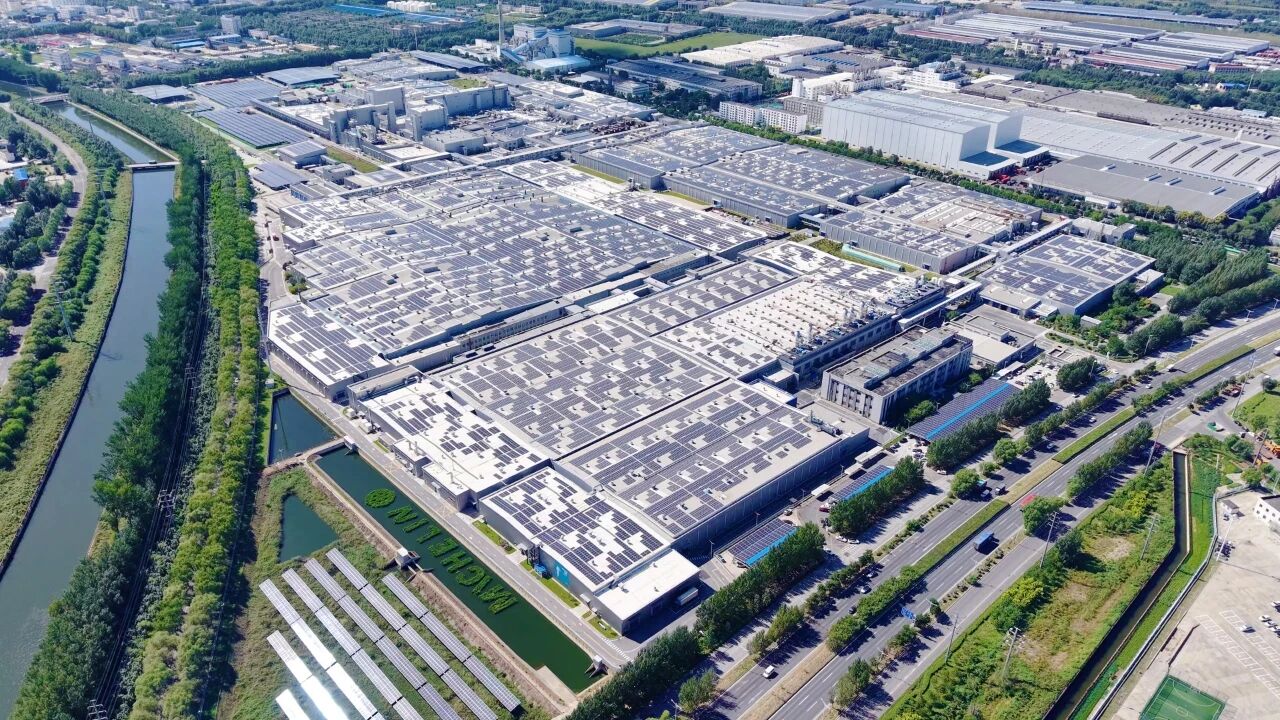
In response to the rapid growth of the new energy vehicle (NEV) market and the rising demand for customized tires, Michelin’s Shenyang factory has been accelerating its NEV tire product development in recent years. The number of product specifications has surged 340 percent, now exceeding 250 types, placing higher demands on the flexibility of high-speed automated production lines, small-batch delivery capability, speed to market for new products, and product quality.To meet these challenges, the factory has implemented more than 30 digital solutions, integrating AI, machine vision, and big data technologies. This has significantly enhanced production flexibility, pilot-run efficiency, and product quality, achieving notable results: minimum order quantities reduced by 71 percent, pilot production cycles shortened by 51 percent, and defective product rates lowered by 36 percent.
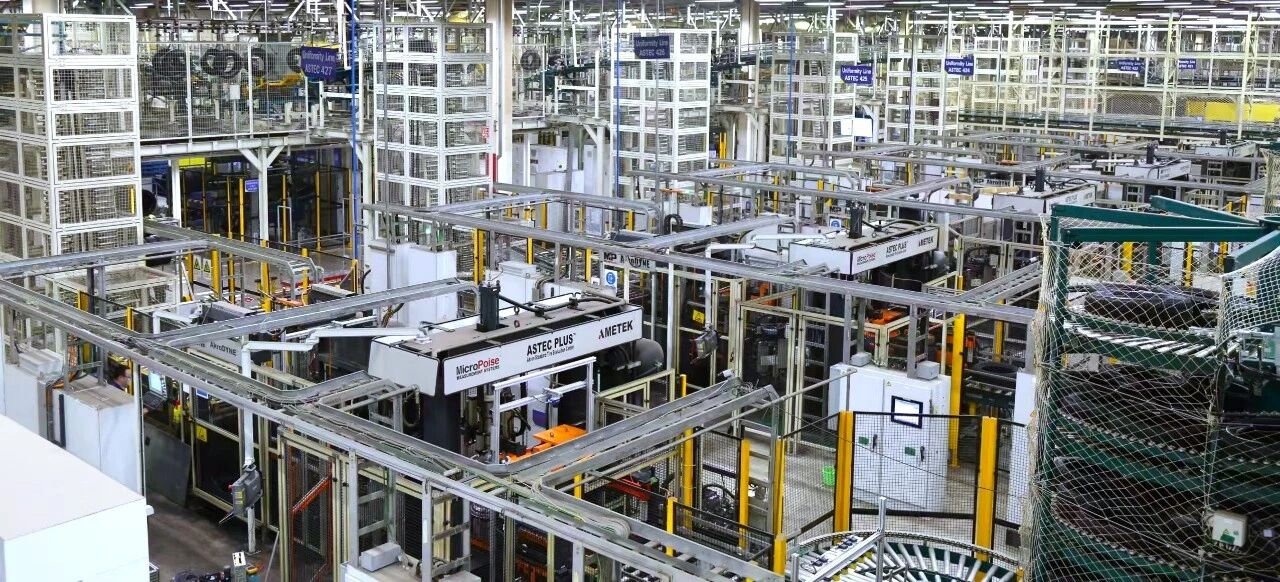
At the same time, the factory has advanced its green production initiatives alongside its digital transformation. Measures such as electrification of vulcanization equipment, adoption of green electricity, and wastewater recycling have significantly reduced overall energy consumption and CO₂ emissions. This “digital + green” transformation not only aligns with the sustainability criteria of the GLN but also supports the tire industry’s carbon peak and carbon neutrality goals.
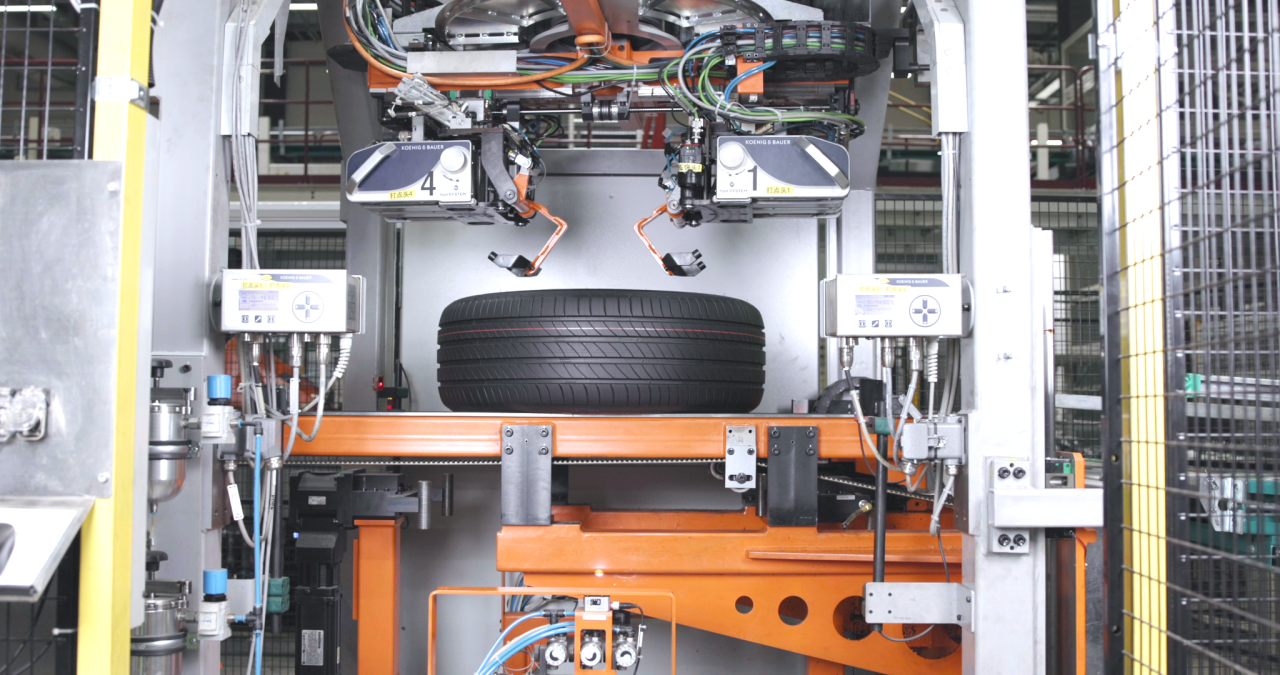
Since entering Chinese mainland in 1989, Michelin has established an R&D center in Shanghai and operates five factories nationwide. Among them, the Shenyang factory was Michelin’s first plant in China and remains the group’s largest and most advanced high-end tire manufacturing base worldwide. It continues to drive technological innovation and management upgrades, earning multiple prestigious certifications, including “National Excellence-Level Intelligent Factory” and “National 5G Factory.”
The inclusion of Michelin’s Shenyang factory in the GLN highlights its leading capabilities in intelligent and digital tire manufacturing, filling a gap in China’s passenger car tire industry and providing a clear reference for digital transformation in traditional manufacturing.
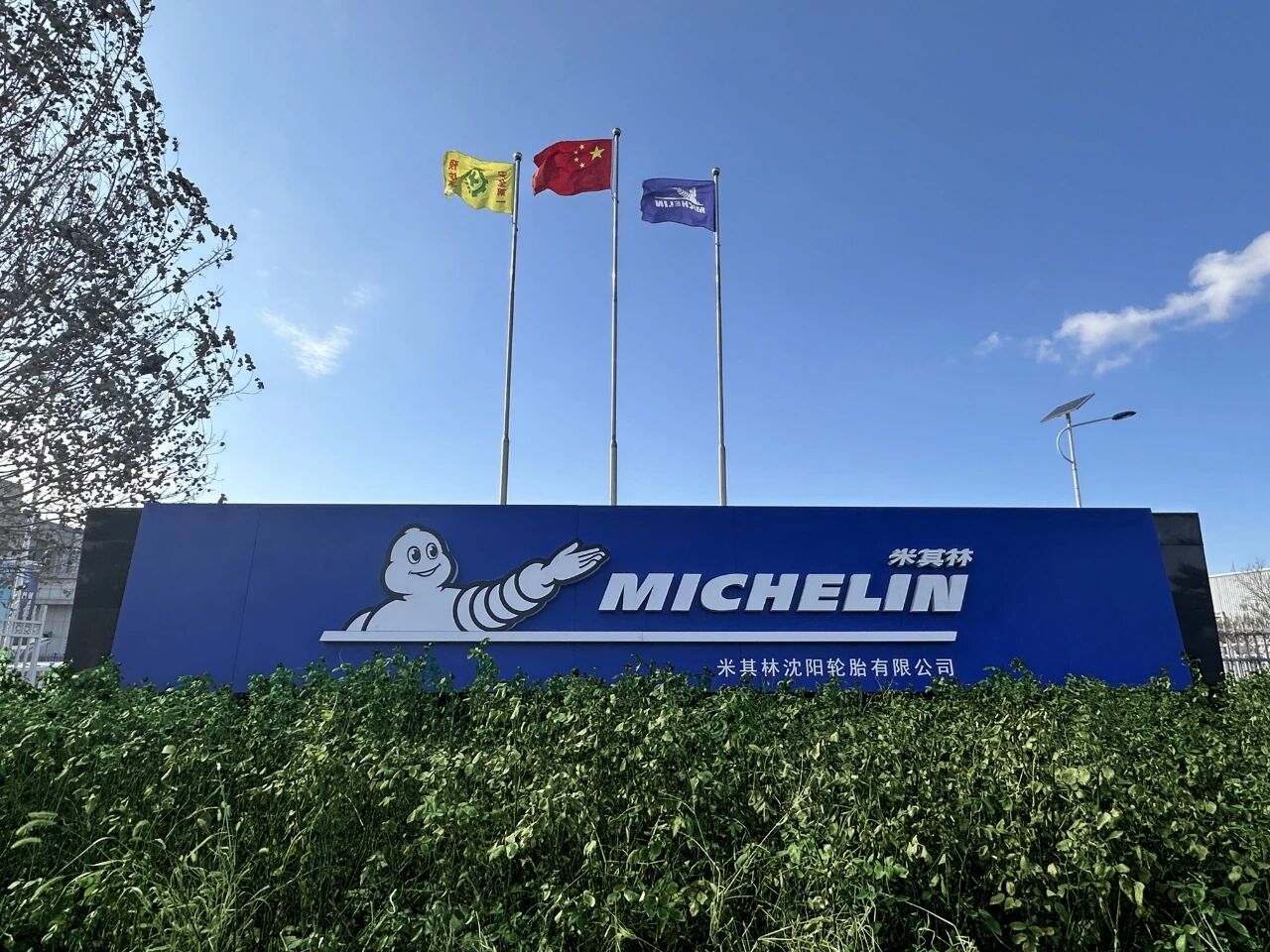
To date, foreign-invested companies with Chinese headquarters in Changning that have earned GLN recognition include Unilever’s Hefei Industrial Park, Tianjin food plant, and Hefei FTC distribution center; Bosch’s Wuxi, Suzhou, and Changsha factories; Michelin’s Shenyang factory; and Eaton’s Changzhou factory.By actively embracing digital and green manufacturing initiatives, these foreign enterprises are helping transform traditional industries while supporting China’s high-level, sustained economic opening and modernization.