Inaugural Shanghai Silicon Lane Competition connects startups with ecosystem 发布时间:2026-02-06 信息来源:上海长宁
On the afternoon of January 30, the finals of the inaugural "Shanghai Silicon Lane" Innovation and Entrepreneurship Competition were held at WYSH on Wuyi Road in Changning District. Attracting 73 science and technology innovation projects from across the country, the event offered a clear view into Shanghai's innovation ecosystem. The 12 finalist teams competed intensely in fields such as semiconductors, quantum technology, and satellite communications, showcasing the strong appeal of Shanghai Silicon Lane for cutting-edge technologies.
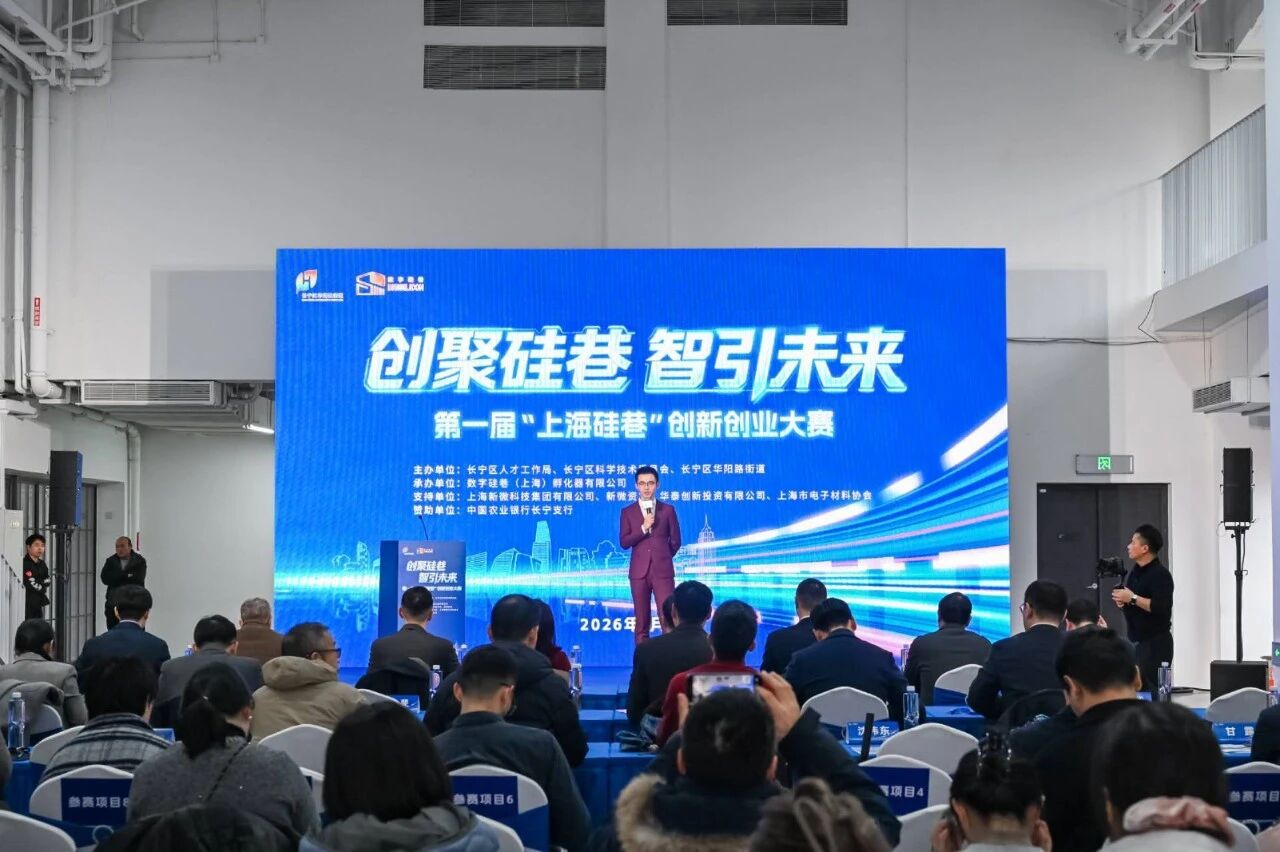
‘Hands-on’ support helps tech companies settle with confidence
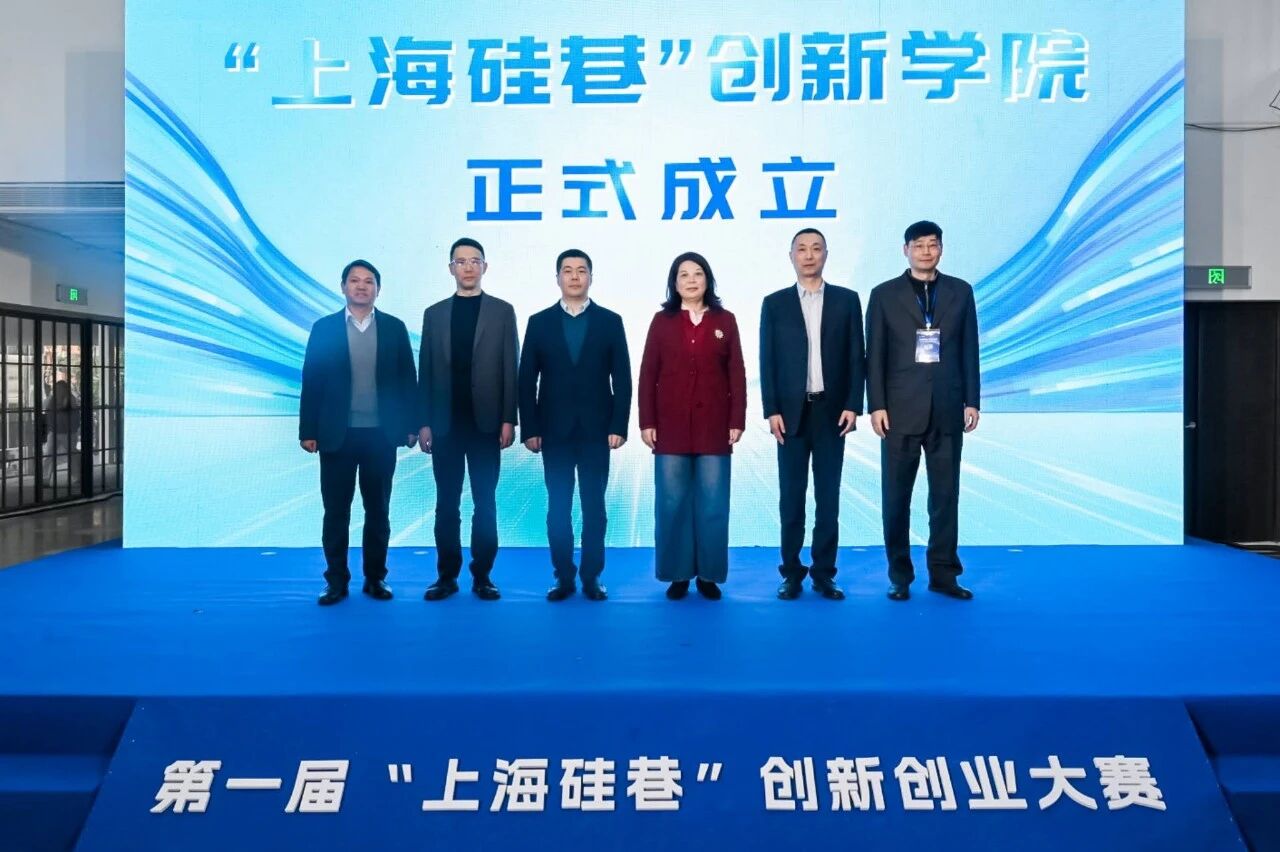
During the event, the Shanghai Silicon Lane Innovation Academy was officially launched. Jointly established by the District Talent Bureau, the District Science and Technology Commission, and Huayang Road Subdistrict, the academy brings together experts from corporate resources, industrial investment, and related fields. It aims to nurture and incubate innovative projects by sharing industry insights, providing professional guidance to startups, and facilitating in-depth exchanges.
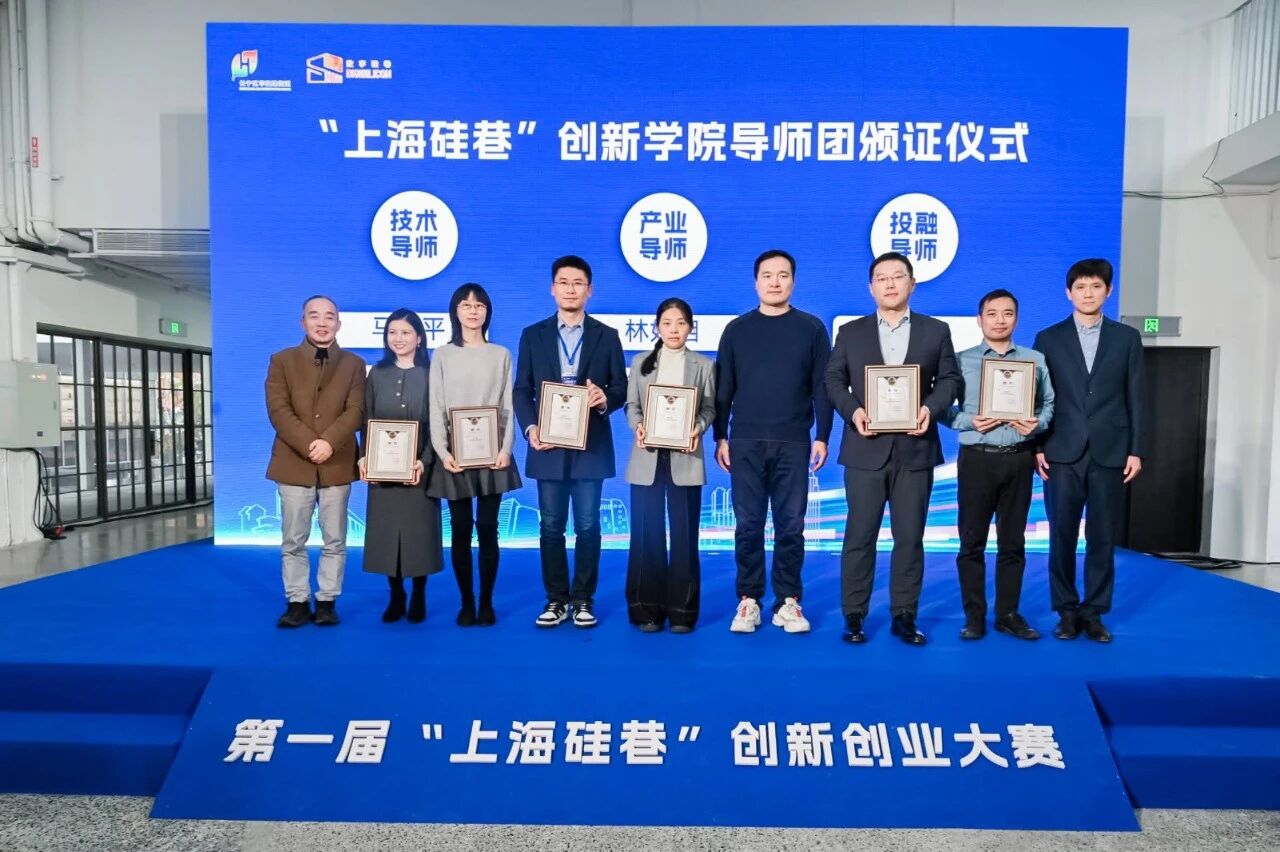
At a concurrent mentor appointment ceremony, expert representatives from the technical, industrial, and investment sectors received their official appointments. This marks an evolution in the "Shanghai Silicon Lane" service model from "event-driven" to "partner-oriented," pledging to offer startups comprehensive, multi-dimensional professional guidance and resource support to help teams quickly connect with potential clients, capital, space, and other resources.
"For technology companies, merely providing office space is no longer sufficient. What they urgently need is professional support for commercializing their innovations," said Chen Xin, deputy Party secretary of the Huayang Road Subdistrict Party Working Committee and director of the Subdistrict Office, outlining the competition's core purpose.
Chen further said that a follow-up tracking mechanism will be established for participating projects after the event. "Whether companies need space, funding, or industrial chain resources, we will provide targeted services to ensure promising projects can enter Silicon Lane, thrive, and grow here."
Why companies are eager to establish presence in Shanghai Silicon Lane
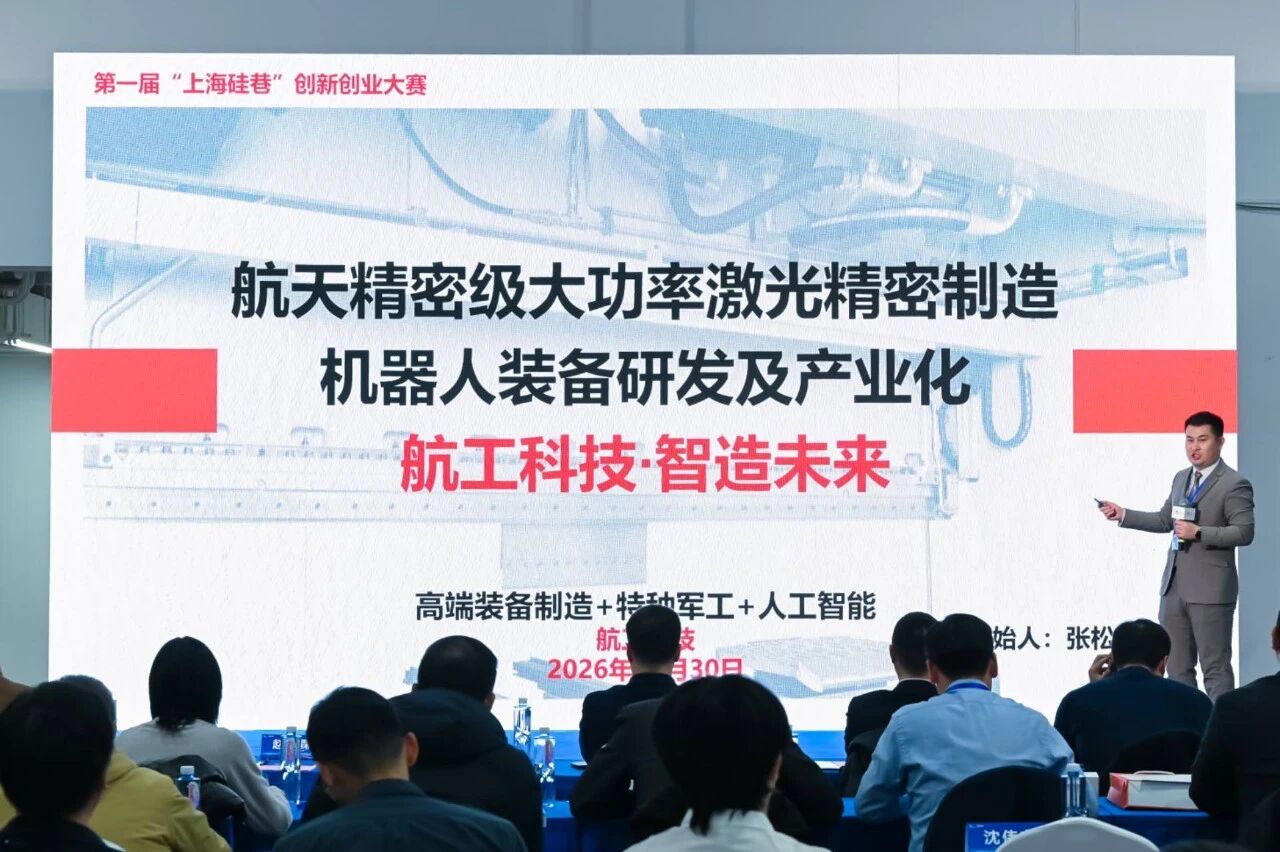
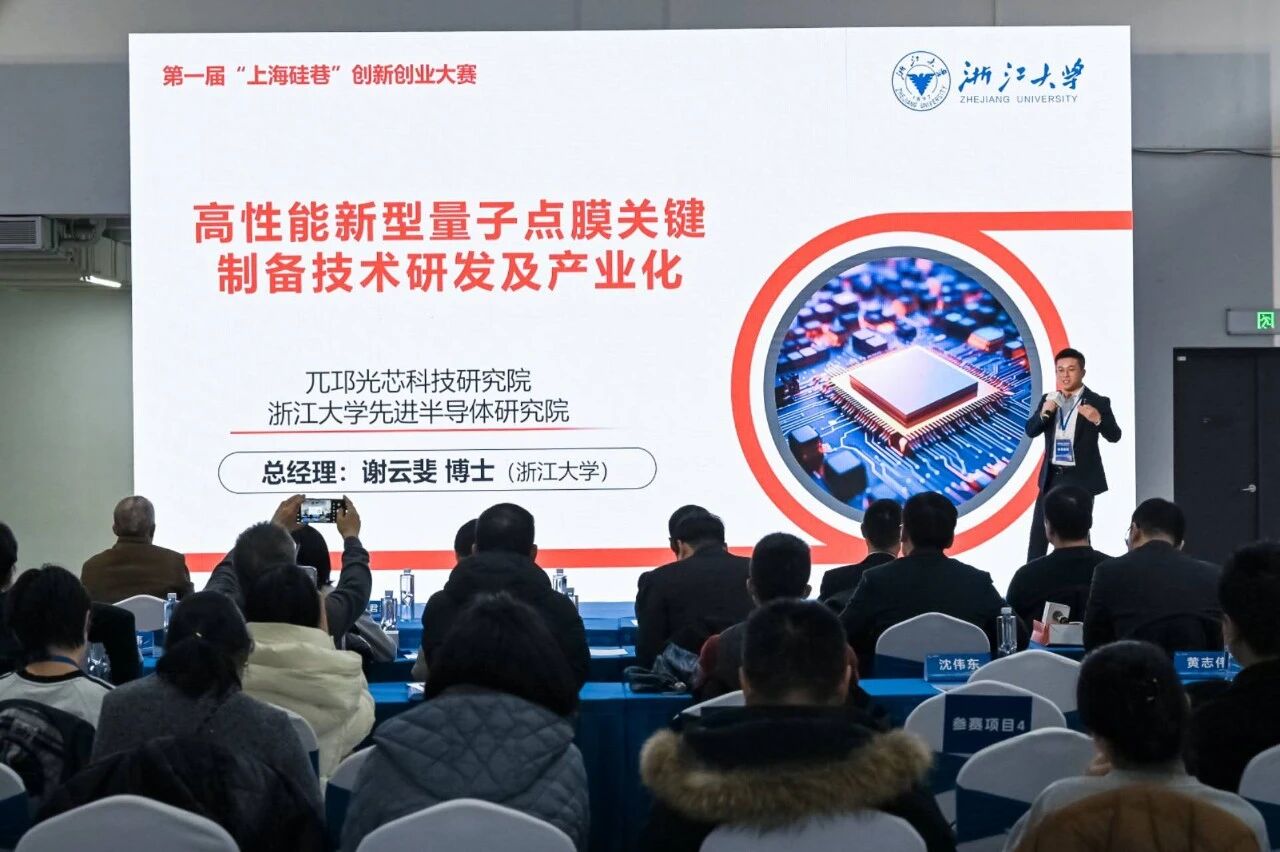
During the final pitch session, the 12 shortlisted teams from across China presented projects in cutting-edge fields, including high-performance polishing technology for complex components, AI computing chip packaging modules, quantum engineering semiconductor light sources, and low-Earth-orbit satellite cluster transmission systems. Through presentations and judge Q&A, they comprehensively demonstrated their technological breakthroughs, industrial application value, and market potential. A professional judging panel conducted rigorous evaluations based on technical feasibility, industrial relevance, and investment value, ultimately selecting winners: one gold, two silver, three bronze, and six excellence awards.
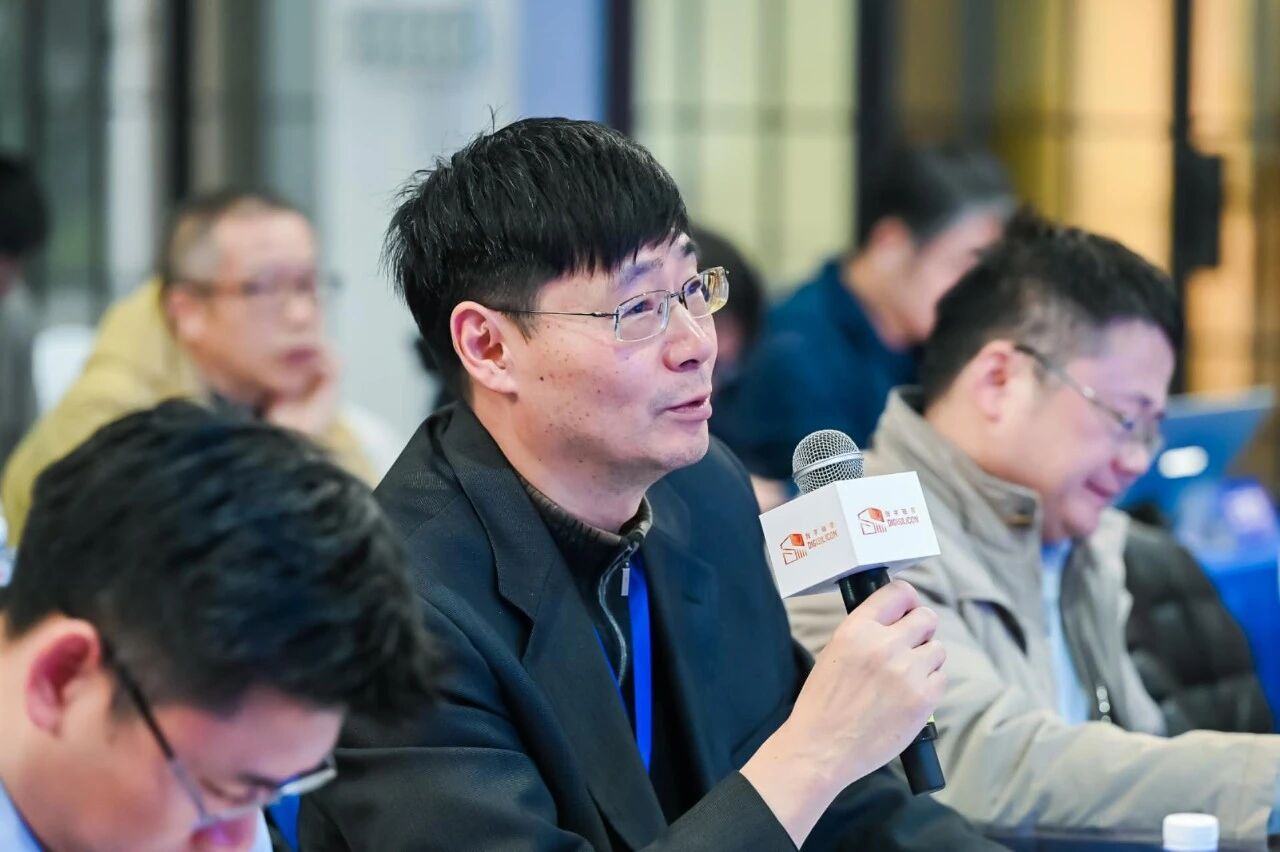
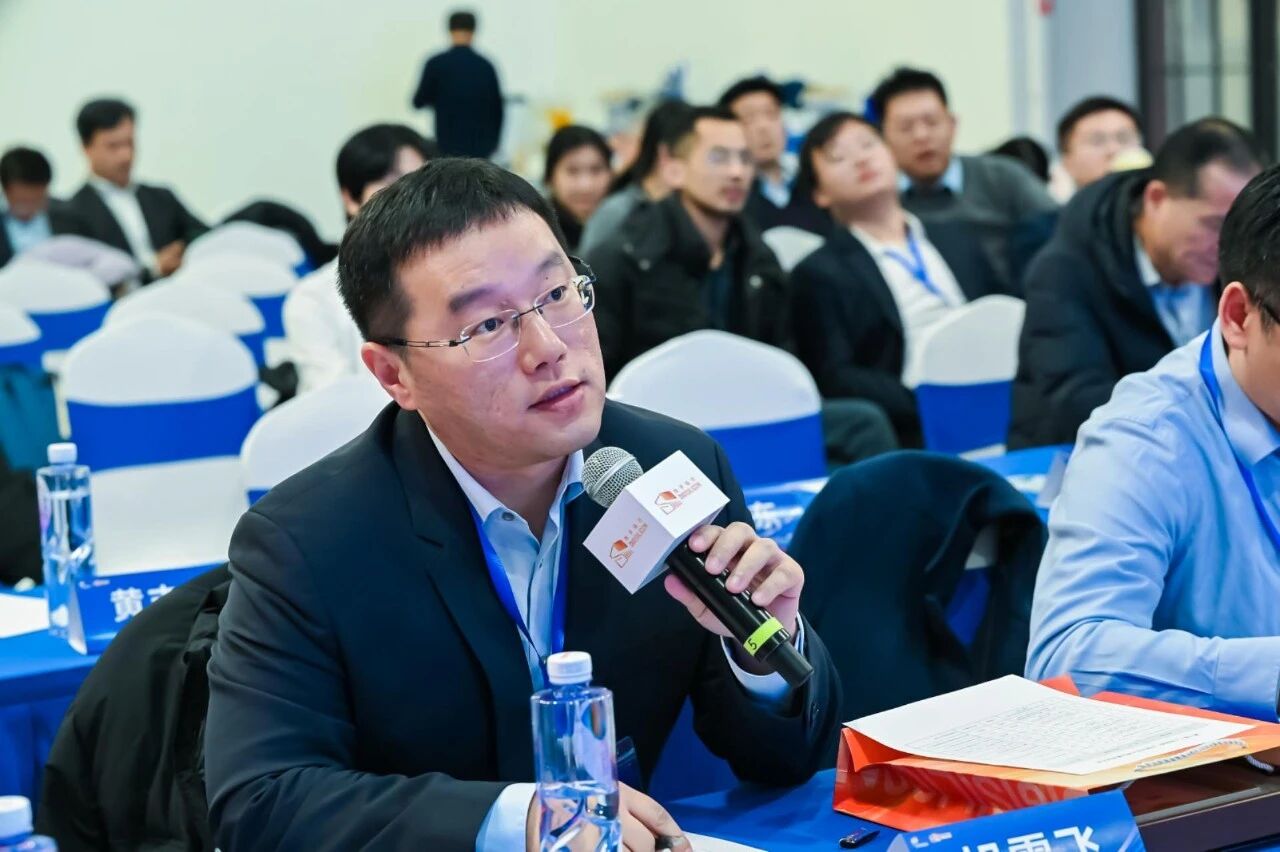
The competition served not only as a contest but also as an opportunity for companies to connect deeply with Shanghai's industrial ecosystem. Many participants were drawn by the innovation resources linked through Shanghai Silicon Lane and the advantages of the Yangtze River Delta industrial chain, using the event to accelerate their local expansion plans.
"Traveling between Changsha and Shanghai more than 20 days a month is exhausting!" said Mei Feng, general manager of Hunan Qiangxin Technology Co., Ltd., voicing a common challenge for tech firms. Although registered in Hunan, this startup's primary clients and supply chain are in the Yangtze River Delta. He revealed that the company has already established a production base in Suzhou and plans to locate its R&D center in Shanghai Silicon Lane. "This allows us to tap into Shanghai's innovation resources while leveraging the industrial chain advantages of the Yangtze River Delta," he said.
The company has already reaped benefits from the competition. "During the preliminary round, after learning about our business, judges recommended potential clients, which led to a partnership," Mei noted. This efficient industry matchmaking is precisely the support companies value most.
"We have long intended to set up operations in Shanghai Silicon Lane," said Cai Xintong, CEO of Zhejiang Zhezao Qixin Co., Ltd. "Our clients are here, and the upstream and downstream industrial chains and supporting resources are highly concentrated here." The company is currently scouting for office space. Although a specific location is not yet finalized, the decision to settle in Shanghai Silicon Lane is firm. "Participating aimed to achieve a good ranking and access potential policy incentives," Cai added, noting that relevant parties have proactively reached out since the preliminaries, and the company looks forward to substantive follow-up support.
How Shanghai Silicon Lane is cultivating fertile ground for innovation
With the launch of the Innovation Academy, Shanghai Silicon Lane is transforming the short-term momentum from the competition into long-term service capabilities. Notably, Shanghai Silicon Lane focuses not only on attracting companies but also on fostering their growth. Through systematic service design, it is becoming a preferred landing spot for hard tech projects in Shanghai, enabling more innovations to "take root" in this fertile environment.
According to the organizers, after the competition, a follow-up tracking list will be created for shortlisted projects, with dedicated contacts assigned to convert competition visibility into tangible progress. They will also help match companies at different development stages with appropriate spaces, offering startups a foothold and growing firms room for expansion.
Looking ahead, Changning District will use Shanghai Silicon Lane as a leverage point to deepen the integration of technological innovation and industrial development. It aims to accelerate the commercialization, local application, and rapid growth of more scientific and technological achievements, contributing to Shanghai's goal of building a globally influential science and technology innovation center.