Experts discuss governance challenges in digital age at Changning forum 发布时间:2026-04-03 信息来源:上海长宁
As "AI+" accelerates its integration into daily life, how can we address the governance challenges in the digital era? On the afternoon of March 23, the "Theories Nourish Shanghai • Theories Resonate in Changning — Thematic Theoretical Dialogue on 'Governance Challenges in the Digital Era' & Changning District's 'AI for Good • Clear and Boundless' Theme Day" was held at WYSH in Changning District, co-hosted by the Shanghai Federation of Social Science Associations and the Publicity Department (Cyberspace Administration Office) of the CPC Changning District Committee.
As the national first pilot zone for innovation in "Internet + life-related services" and a highland of the Internet industry in Shanghai, Changning has always adhered to the guidance of Xi Jinping Thought on Culture and General Secretary Xi Jinping's important thoughts on building a strong cyber country, and actively implemented the "Clear and Clean" series of special campaigns. In recent years, Changning has accumulated rich governance experience — from new challenges brought by AI technology in judicial case handling, to innovative explorations in regulating livestreaming sales, and to frontline practices of AI governance by platform enterprises. These vivid grassroots cases constitute the most solid footnote for the theoretical dialogue.
As the first event in the series of Changning District's activities for the "Clear Pujiang • 2026" 10-day Cyber Ecology Governance, this event continues the feature of the "Theories Resonate in Changning" theoretical publicity project, which features in-depth dialogue between high-end theories and down-to-earth practices. It focuses on the cutting-edge of governance in the AI era, gathers the wisdom of social science experts, and jointly explores the paths and possibilities of technology for public good.
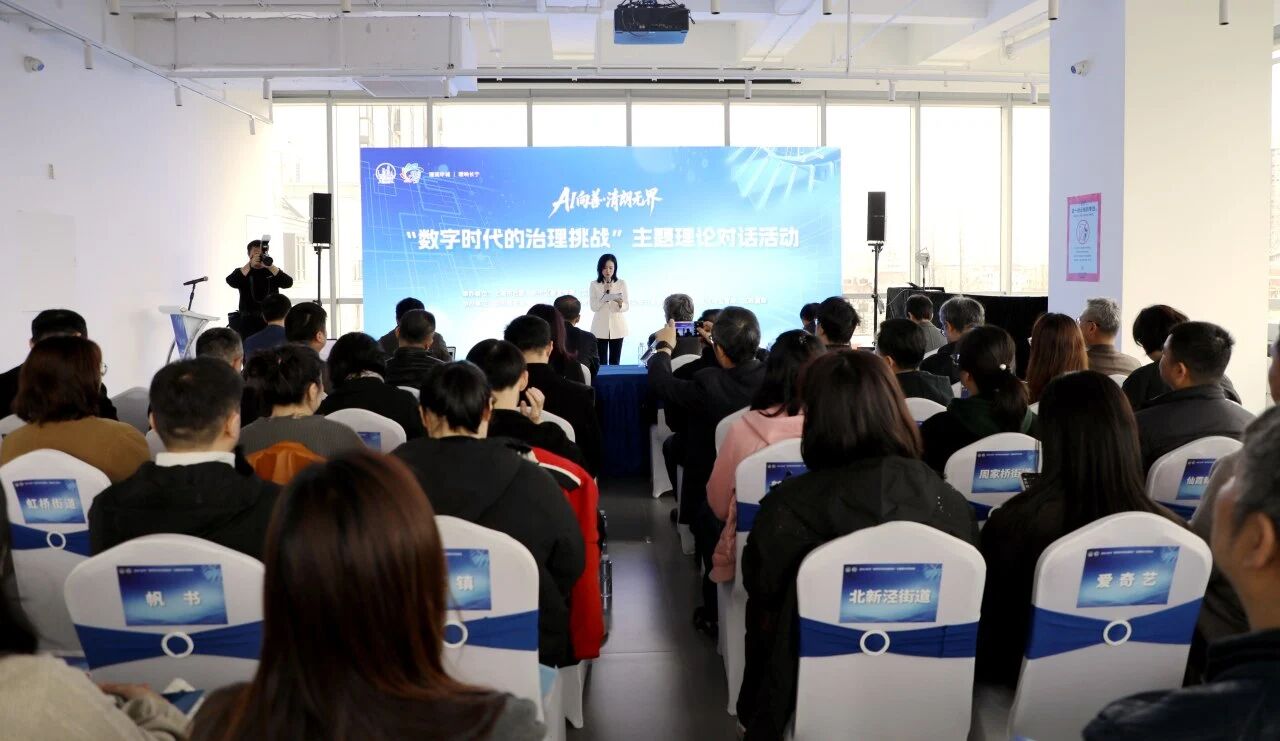
During the event, the District People's Procuratorate took case-handling practices as an entry point and talked about new topics brought by AI technology to the judicial field; the District Administration for Market Regulation shared innovative explorations in regulating livestreaming sales; and representatives of Internet enterprises presented frontline thoughts on AI model governance from platform enterprises. The three cases, covering three dimensions — technological development, regulatory practice, and corporate governance — jointly outline the realistic landscape of governance in the digital era.
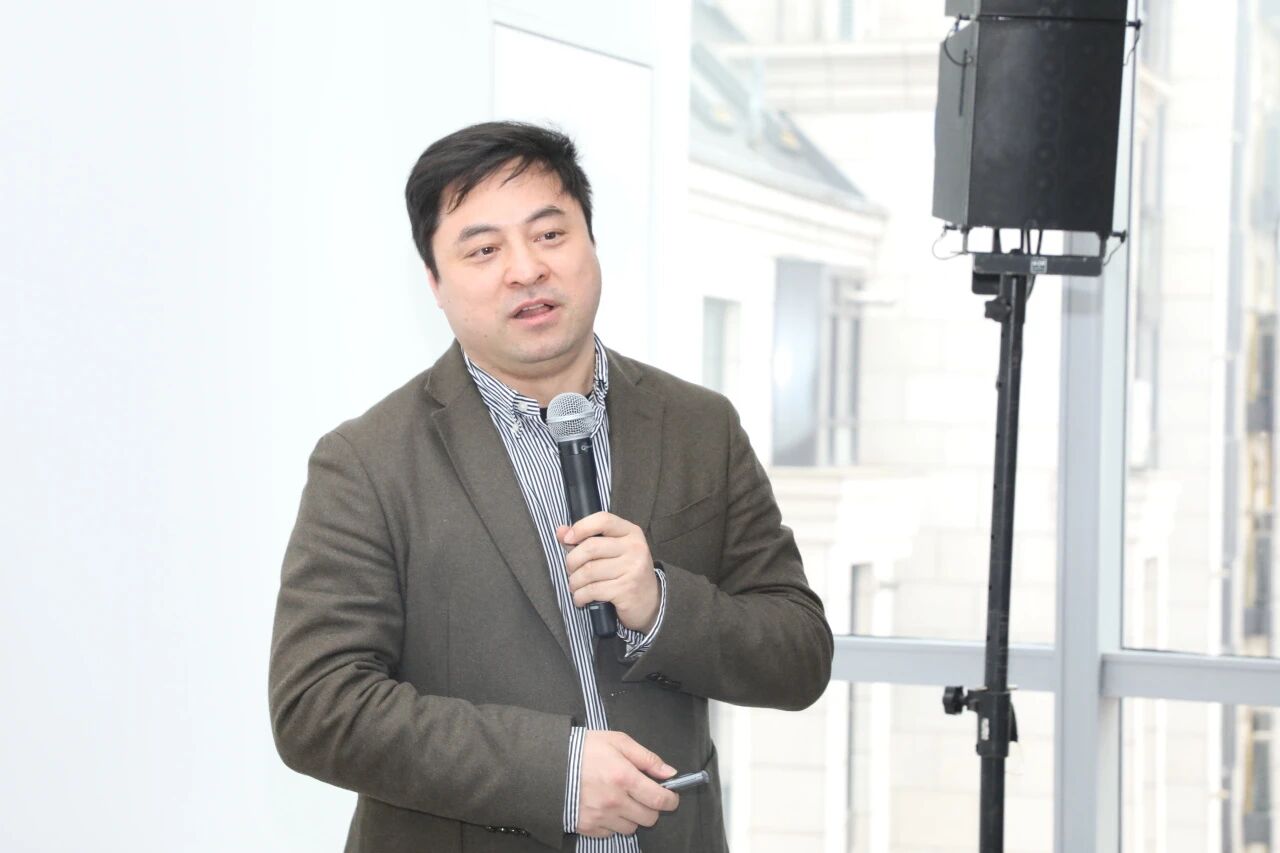
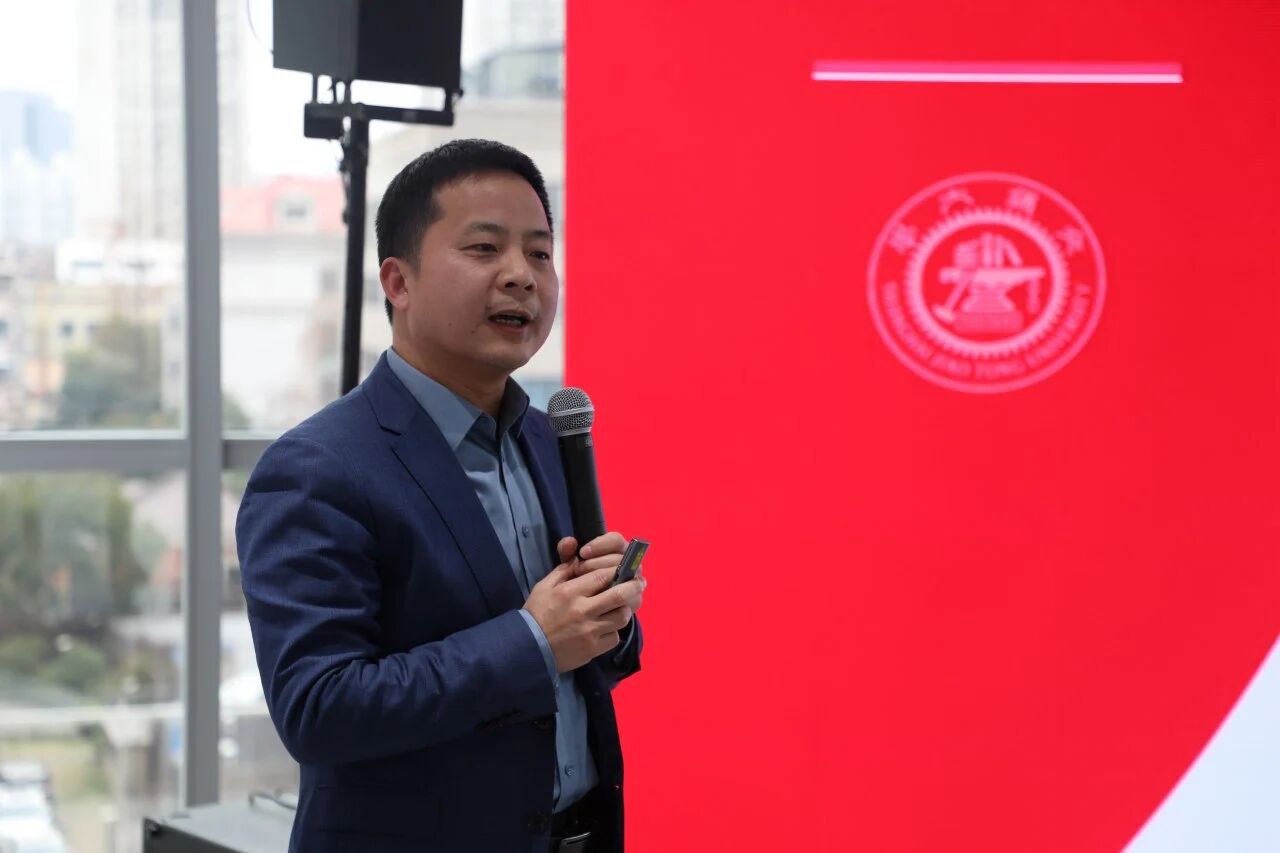
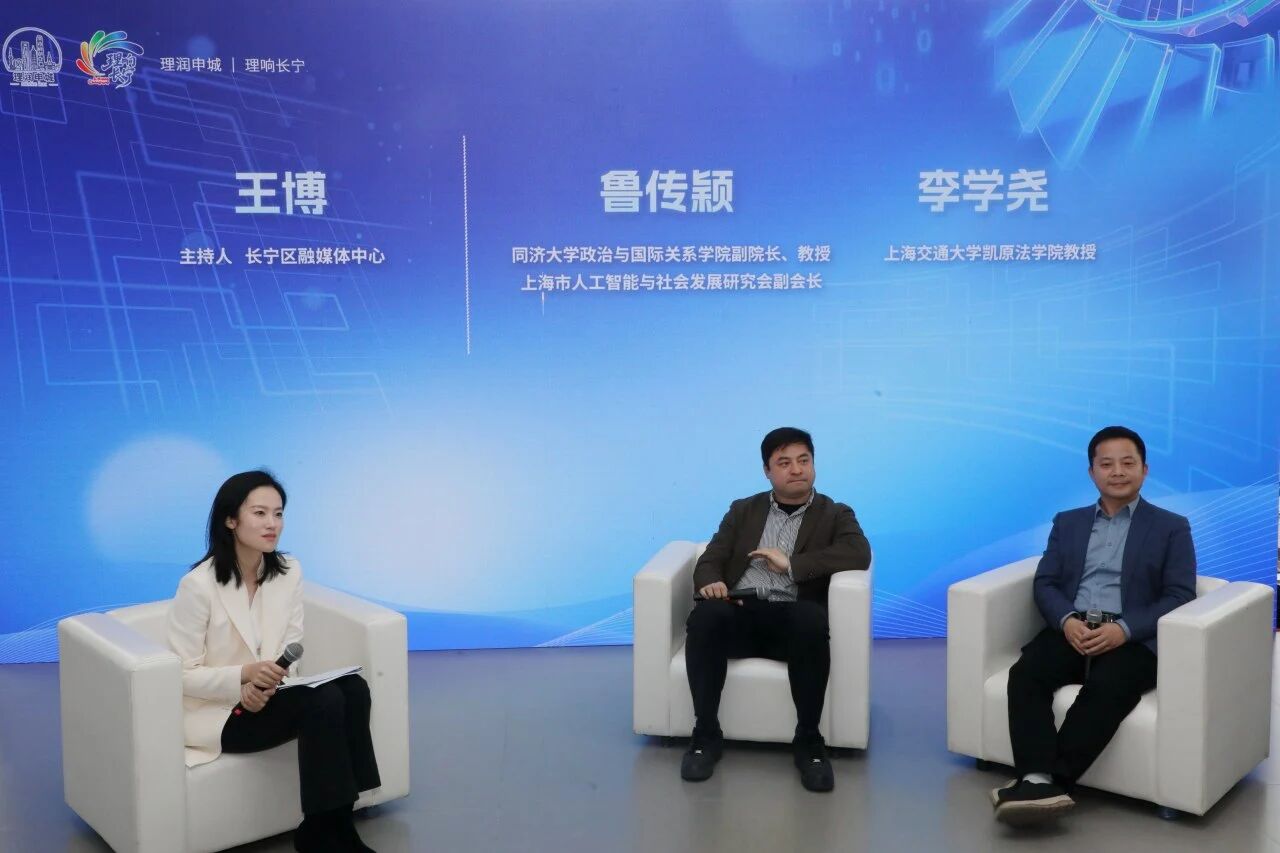
In the keynote speech session, two experts provided theoretical support for AI governance from different perspectives. Professor Lu Chuanying, vice dean of the School of Political Science and International Relations at Tongji University and vice president of the Shanghai Research Society on Artificial Intelligence and Social Development, delivered a speech titled "5G, Cybersecurity and Geopolitical Rivalry," analyzing the deep logic of technological competition and governance rivalry in the international environment. Professor Li Xueyao from the KoGuan School of Law at Shanghai Jiao Tong University focused on "Responsibility Allocation and Platform Compliance in the New Cybersecurity Law," exploring the realization paths of algorithm transparency and supervision ability from the perspectives of the rule of law and ethics.
In the subsequent interactive exchange session, participants held in-depth dialogues with experts on topics such as disputes over copyright regarding AI display labels and the balance between regulation and innovation, further promoting the deep integration of profound theoretical insights and vivid grassroots practices. The on-site exchange atmosphere was enthusiastic.
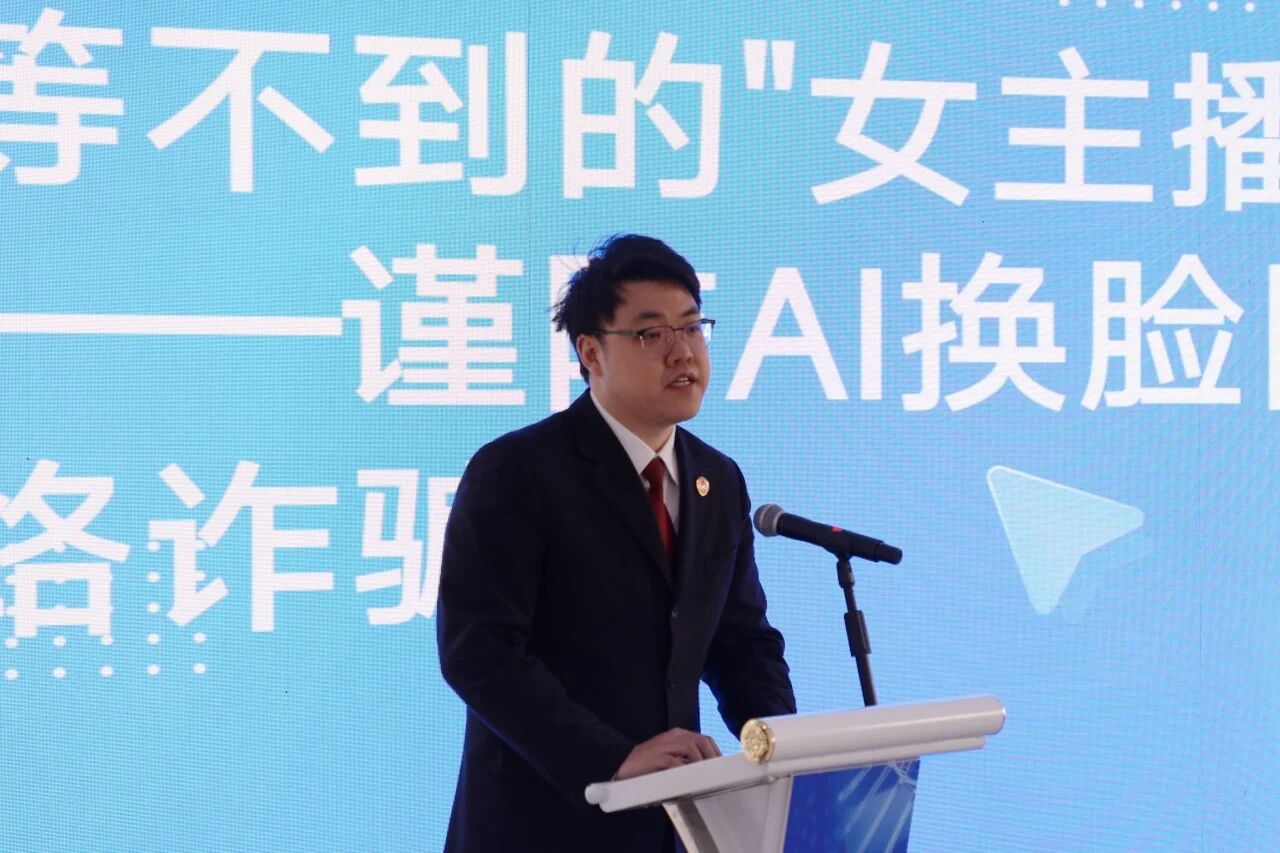
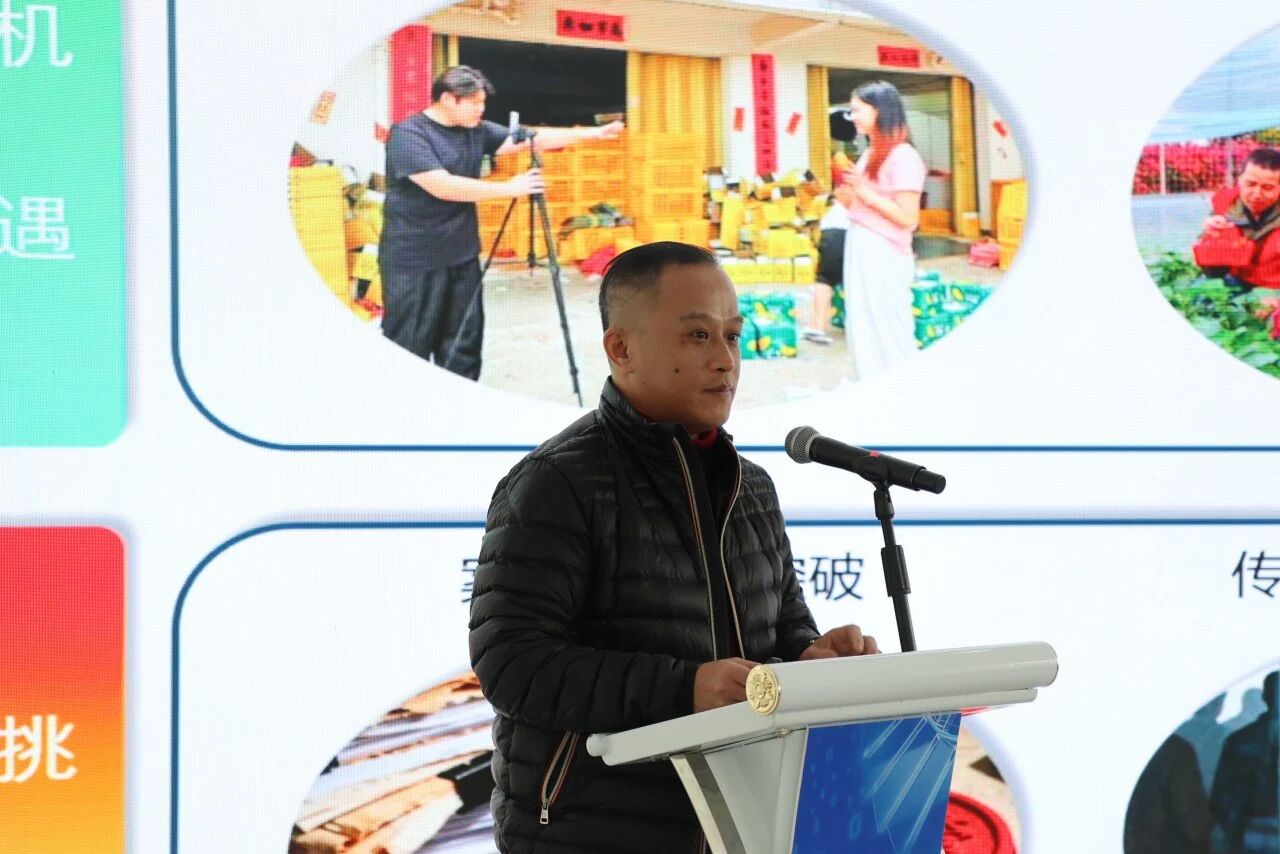
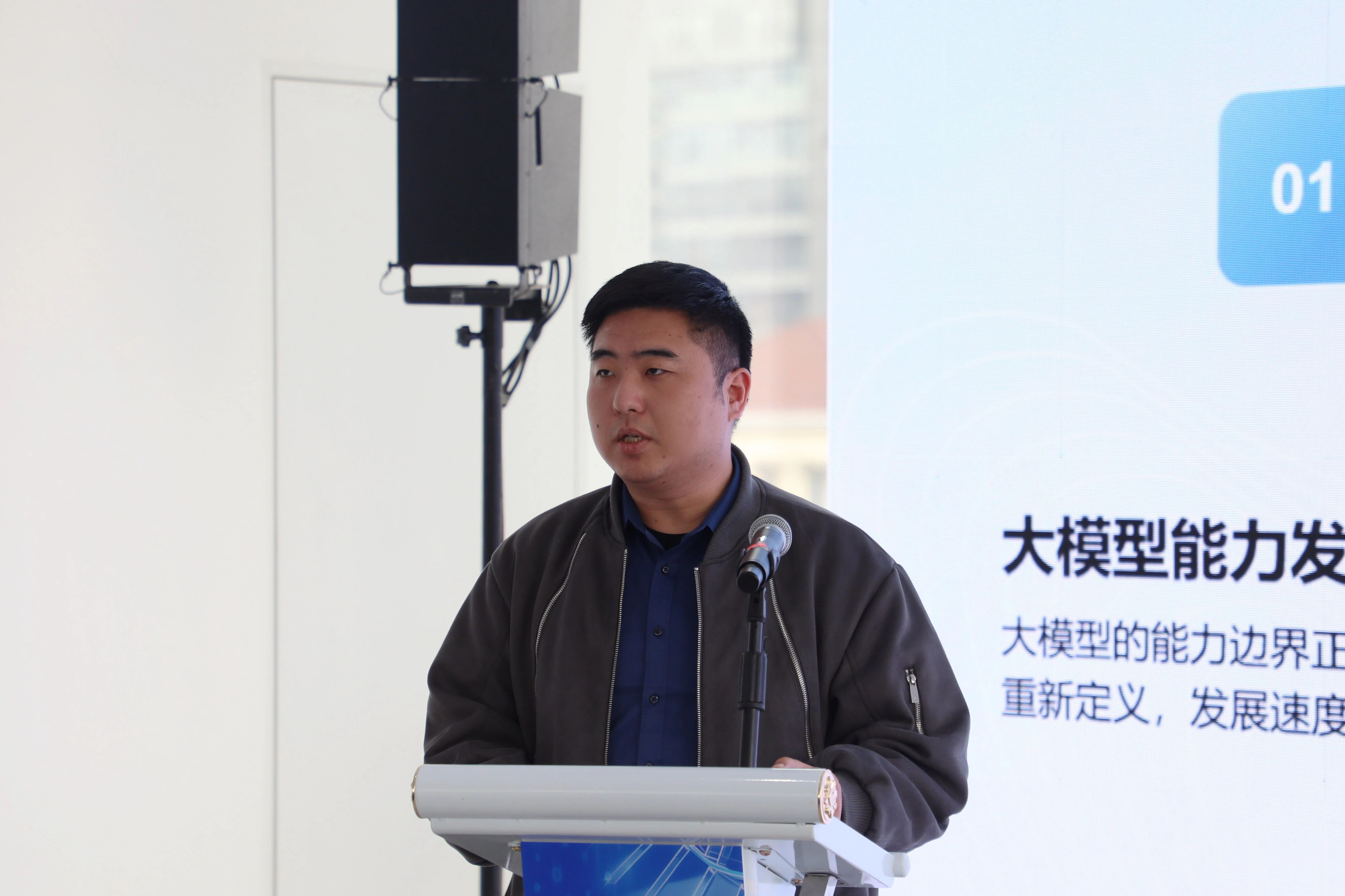
By combining theoretical dialogue, case sharing and interactive exchanges, this event gathered social science wisdom and grassroots practices, deepened the understanding of governance challenges in the digital era, and provided useful explorations for promoting AI for public good and building a clear and orderly cyberspace. In the future, Changning District will continue to carry out relevant activities, gather forces from all sides, and jointly build a clear cyber ecology.
Before the event started, participants jointly took part in the "Shanghai Silicon Lane" tech-themed CityWalk, visiting Shanghai Hi-Dolphin Robotics Technology Co Ltd and Fanshu’s Wuyi Road City Bookstore in succession, and experiencing the innovative integration and practical exploration of artificial intelligence and urban cultural spaces on the spot.
Wang Weisong, secretary of the Party Leadership Group and full-time vice chairman of the Shanghai Federation of Social Science Associations, Pan Guoli, member of the Standing Committee of the CPC Changning District Committee and director of the Publicity Department, responsible officers from relevant municipal and district departments including the Network Management Division of the Cyberspace Administration of the CPC Shanghai Municipal Committee and the Cyberspace Administration of the CPC Changning District Committee, as well as responsible officers from co-organizing units such as Huayang Road Subdistrict, Changning District People's Court, District People's Procuratorate, District Science and Technology Commission, District Public Security Bureau (Cybersecurity Detachment), District Administration for Market Regulation and District Data Bureau attended the event. Relevant business principals from the Party-Mass Offices of all subdistricts (towns) in Changning District, and director units and member units of the Party Building Joint Construction Platform for Internet Enterprises in the district also participated in the meeting.