Changning launches second Go Global Talent Program for young international professionals 发布时间:2026-08-07 信息来源:上海长宁
Changning launches second Go Global Talent Program for young international professionals
Changning District has opened recruitment for the second cohort of its Go Global Talent Program, an eight-day training initiative designed to nurture young interdisciplinary talent for global business development and cross-cultural collaboration.
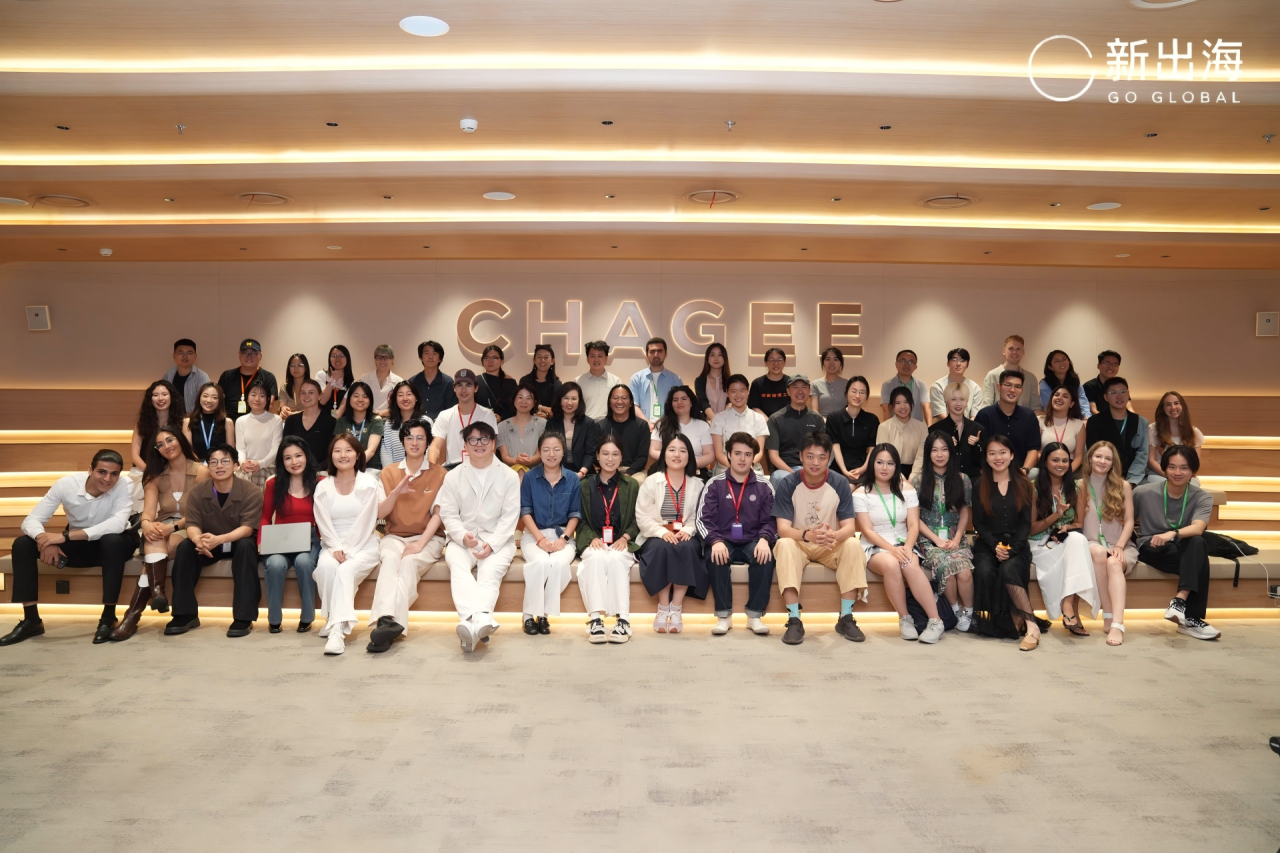
The program will run on weekend sessions from August 29 to September 20, 2026. All courses are tuition-free.
The program plans to select about 40 outstanding Chinese and international participants under the age of 30. Applicants must demonstrate bilingual communication skills, strong learning capacity and a willingness to engage in cross-cultural teamwork. Ideal candidates show an open mindset toward diverse cultures and hold clear interest in supporting Chinese enterprises' global expansion.
Applications close Aug 21, 2026. All qualified applicants will complete an interview screening before final admission.
The curriculum adopts a four-stage practical framework that progresses from theoretical cognition to real-world execution.
The first stage covers macro global landscape analysis and the international development positioning of Chinese enterprises. The second stage focuses on market localization with in-depth insights into business environments and cultural traits across Southeast Asia, the Middle East, Europe and North America.
The third stage builds core professional capabilities including cross-cultural communication, brand presentation, product awareness and global market collaboration. The final stage features team-based practical projects centered on authentic corporate overseas expansion challenges, requiring full-cycle research discussion solution design and result demonstration.
The program has assembled a high-level instructor team consisting of industry leaders academic experts and international consultants.
The second edition upgrades training mechanisms to better align with career development and market demands. Organizers integrate enterprise talent recruitment need into participant selection curriculum design and practical projects. Company executives will attend the closing ceremony to conduct face-to-face talent matching and networking.
The program strengthens collaboration with universities across the Yangtze River Delta region to empower young people focused on overseas business operations international communication and cross-cultural exchange. College students may join as official participants volunteers project coordinators or candidates.
It expands offline enterprise visits to expose participants to frontline operational scenarios and real challenges in global business expansion. Updated practical projects are built on genuine corporate demands requiring cross-cultural team collaboration throughout the entire problem-solving process.
The inaugural Go Global Talent Program selected more than 40 participants from nearly 450 applicants across 25 countries and regions. The diverse cohort spanned Asia, Europe, Africa, North America and South America, forming a multicultural learning community.
As one of Shanghai's most international and open districts, Changning accelerates the development of a headquarters cluster for outbound enterprises. It has built a 15-minute global business service ecosystem and launched the Hongqiao Overseas Service Station.
Leveraging robust industrial resources, abundant foreign enterprises and a mature international atmosphere, the updated program continues to bridge ambitious young talent with practical global development opportunities for Chinese outbound businesses.
First Shanghai SiliconAlley summit calls global talent for tech-driven fashion consumption
The inaugural Shanghai Silicon Alley Tech-Enabled Fashion & Consumption Innovators Summit opened in Changning District on July 28, launching a global recruitment drive to attract innovators bridging technology and fashion retail.
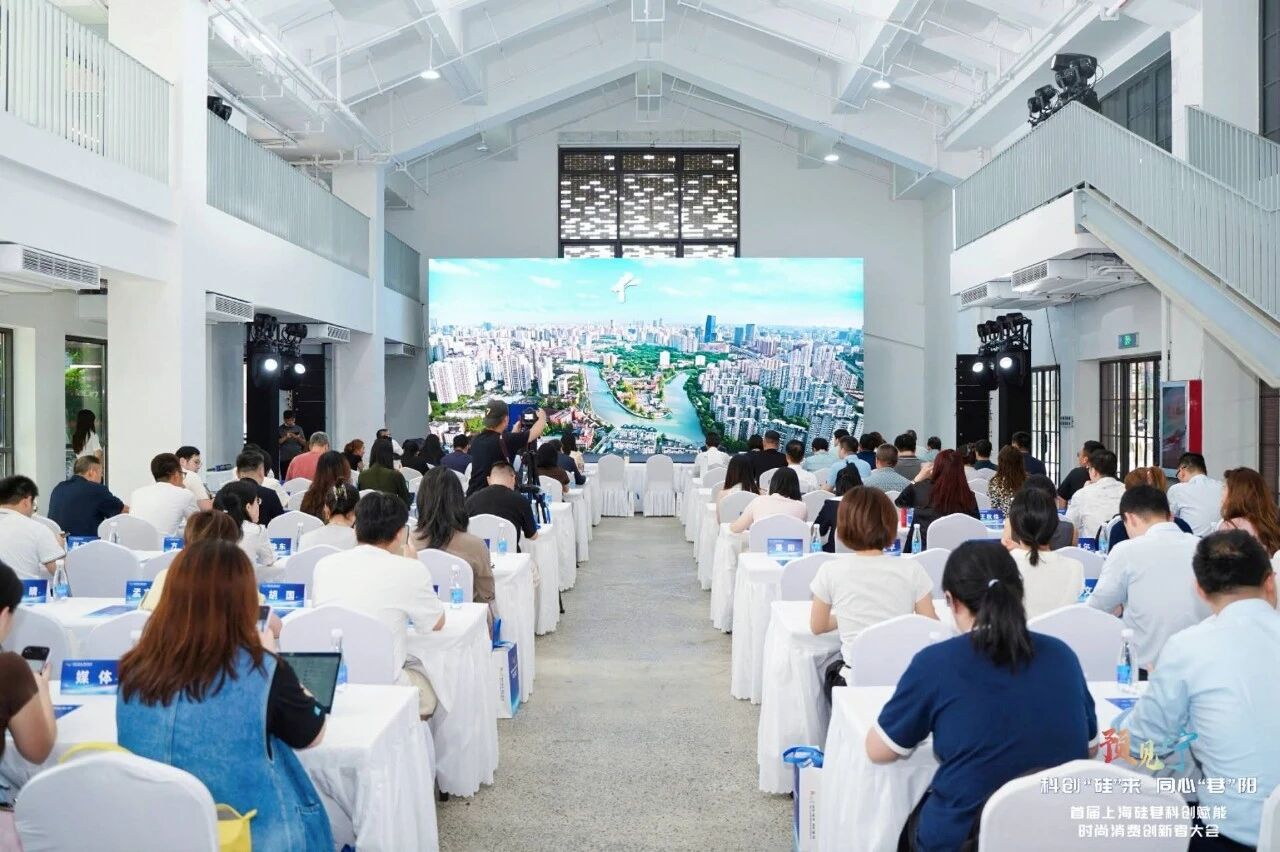
More than a dozen technology, cultural creative and consumer businesses joined the closed-door dialogue, raising operational challenges directly to representatives from local government and Agricultural Bank of China Changning Branch. The bank presented financial tools including interest subsidies for creative ventures and intellectual property-backed loans.
Organizers formally unveiled the Shanghai SiliconAlley Tech & Fashion Consumption Talent Recruitment Call at the summit. The initiative targets domestic and overseas researchers, fashion practitioners, digital creators, entrepreneurs and young professionals. Qualified candidates will be included in a dedicated talent pool to access industrial resources, district-level incentives and workspace support.
Huayang Road Subdistrict officials said Changning relies on concrete implementation rather than promotional rhetoric to draw enterprises. The area sits along Metro Lines 2, 3 and 4 with mature commercial and community amenities. Authorities committed to fully delivering all published policies without hidden barriers.
Spanning 1.48 square kilometers, Shanghai SiliconAlley features an organic innovation model distinct from enclosed industrial parks. Startups and creative teams operate amid tree-lined historic neighborhoods, blending heritage landscapes with research labs, casual meeting spaces and everyday urban life. Cross-industry collaboration between tech, fashion and consumer sectors has become commonplace.
Changning's fashion and consumer industry output has surpassed 100 billion yuan, with consumption activity rising 40 percent year-over-year in 2025, according to the district's commerce commission. Major domestic labels including Li-Ning, Dazzle and Zuczug cluster locally alongside more than 200 rising Chinese lifestyle brands.
The district has rolled out long-term blueprints to advance the sector: the 15th Five-Year Plan for fashion and consumption development and the supporting three-year action plan covering 2026 through 2028. A dedicated digital cluster for fashion consumption opened within SiliconAlley in June to nurture digital startups.
Ao Fang, lead partner of Deloitte China's consumer industry practice, forecast China's fashion consumption market would top 3 trillion yuan by 2030. Digital transformation and refined operations will determine industry winners, Ao said. Panelists agreed technology works best for consumer businesses when focusing on capturing genuine public sentiment and market demands, rather than treating digital tools as an end.
Local examples already demonstrate the model. Shanghai Garment Group has adopted AI design and digital measuring systems to support flexible small-batch manufacturing. Luxury custom label GRACE CHEN built a digital platform that generates clothing patterns from body scans. Donghua University students have developed interactive fashion prototypes that use programming to create dynamic fabric effects.
"In Changning, fashion is a tangible lifestyle, not merely a slogan. The digital economy represents more than terminology — it is a distinct industrial ecosystem built over two decades," a commerce commission official told attendees.
Planning for Shanghai SiliconAlley began in 2022, and the zone gained municipal strategic status in 2024. The number of technology firms based there has grown from more than 500 to over 930, with rising concentrations of artificial intelligence, integrated circuit and new energy enterprises.
Scenic viewpoints along Changning section of Suzhou Creek: Bridges offer sweeping riverside vistas
Stretching across the winding Suzhou Creek, a series of road bridges serve not only as vital transport links connecting riverbank communities, but also as prime observation decks for taking in the waterway's scenery and Changning's evolving urban landscape.
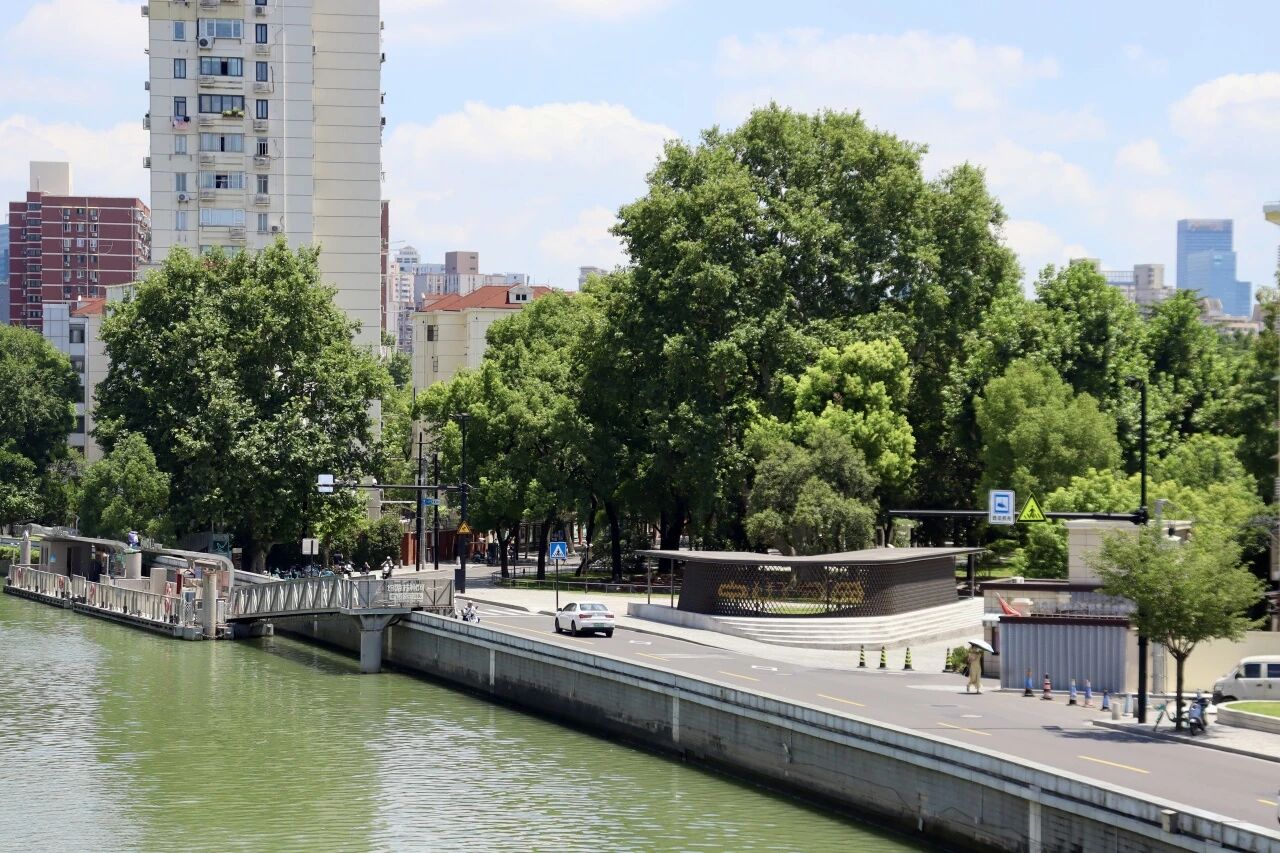
East China University of Political Science and Law Bridge, Kaixuan Road Bridge, Gubei Road Bridge, Middle Ring Overpass and Qilianshan Rd S. Bridge span the Changning stretch of Suzhou Creek. Daily commuters who cross these structures are treated to ever-changing vistas of lush waterfront parks, century-old campus and striking skies illuminated by sunrise and sunset.
East China University of Political Science and Law Bridge delivers timeless historic charm. From its deck, visitors gaze upon elegant heritage buildings with red walls and dark tiles. Gentle breezes carry fresh vegetation scents above the slowly flowing Suzhou Creek. Waterfront landscapes including Simeng Garden and Gezhi Garden line the riverbank. Within the adjacent university campus stand preserved historic structures such as Simeng Hall, Gezhi Building, the gymnasium and Shuren Hall, showcasing how the century-old university balances heritage preservation with renewal.
Kaixuan Road Bridge presents a lively contrast between nature and urban activity. To the east, ancient plane trees at Zhongshan Park form a thick green canopy. Sightseers frequently spot Route 20 buses traveling along Wanhangdu Road, weaving natural tranquility together with bustling city life. On the western side, Metro Lines 3 and 4 trains race past, forming dynamic streaks that embody the rhythm of modern urban transit.
The uppermost section of Gubei Road Bridge opens up a panoramic view. Changning Road below carries steady traffic, flanked by neatly arranged high-rise residential buildings. Swathes of foliage partially conceal the Suzhou Creek riverside promenade, with the half-visible "future tower" adding a distinctive touch to the waterscape. Here, Suzhou Creek curves gently, reflecting buildings and trees on both banks like a continuously unfolding urban scroll painting.
Pedestrians using walkways on the Middle Ring Overpass overlook the popular public recreational zone beneath the viaduct. Colorful murals of pink flamingos, yellow cheetahs and black-and-white zebras decorate bridge pillars. Residents fill public sports facilities for workouts. Intertwined road networks, riverfront greenery and vivid public spaces combine to form a bright, refreshing waterside scene that highlights Changning's energetic public life.
Qilianshan Rd S. Bridge offers wide, unobstructed views toward Shanghai Hongqiao Linkong Economic Zone. The Johnson Controls Asia Pacific Headquarters stands prominently beside the creek. The landmark is China's first green building certified LEED Platinum, China Three-Star Green Building and EDGE, shaped to resemble a massive ship moored along the river. Nearby, Linkong Skate Park extends along the waterfront as part of a continuous green belt dotted with pedestrian trails and small white footbridges. Aircraft occasionally drift across clear blue skies, forming a unique landscape blending natural scenery and industrial vitality.
Each bridge provides a distinct vantage point, revealing new facets of Suzhou Creek in Changning. Crossing these river crossings transforms ordinary journeys into casual, picturesque encounters with the sky, water and urban scenery.
Changning launches new hub to empower young entrepreneurs, foster emerging industries
A new platform supporting young innovators and startup development debuted in Changning District on July 31, expanding the district's service ecosystem for young entrepreneurial talent.
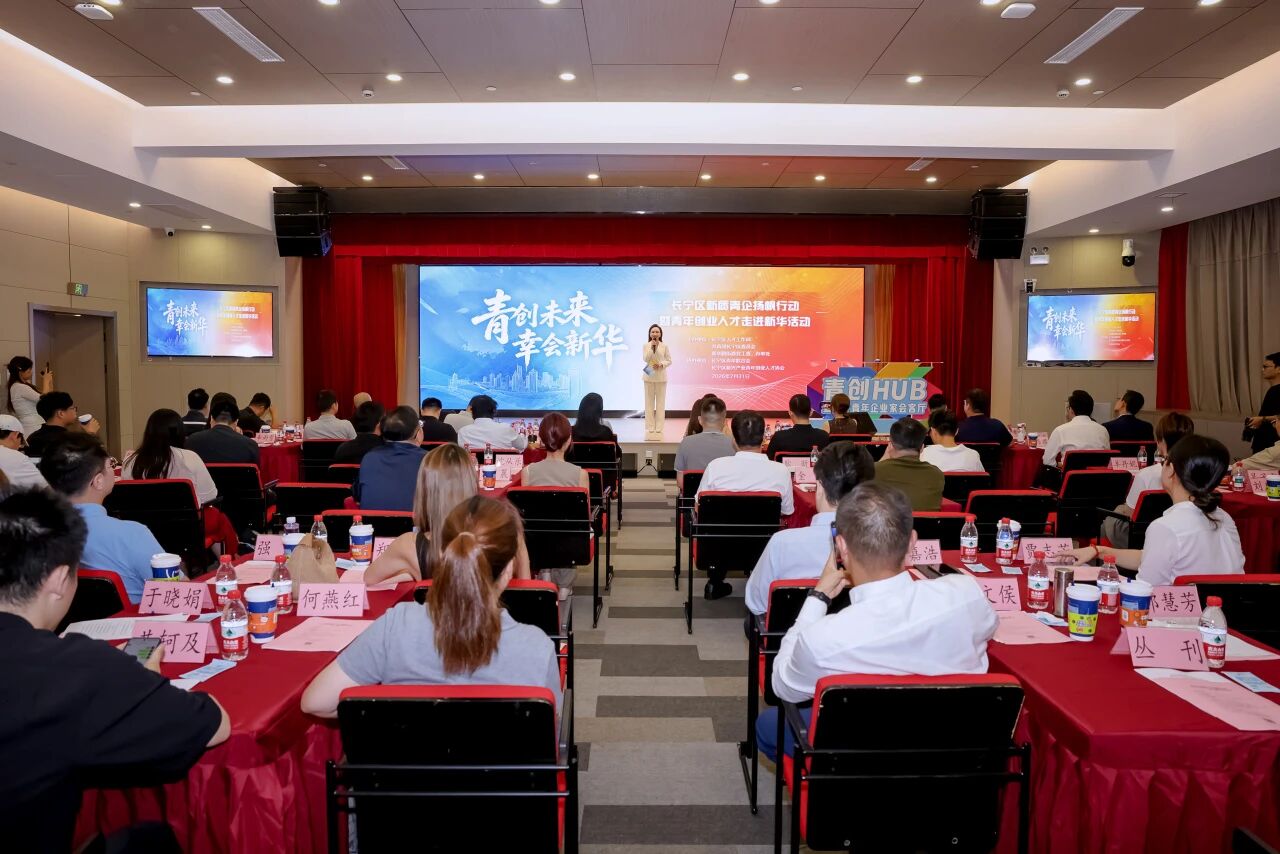
The official launch of the Youth Entrepreneurship Hub, also called the Changning Young Entrepreneurs Lounge, took place at Xinhua Road Subdistrict. The event assembled 60 young entrepreneurs across artificial intelligence, digital economy, fashion consumption, cultural creativity, finance, education research, healthcare and new energy sectors to build cross-industry communication and cooperation channels.
Designed for young founders, the new hub provides one-stop services including entrepreneurial exchange activities, industrial resource matching, professional capacity training and shared office spaces. Local officials said the facility aims to optimize innovation conditions and cultivate a more vibrant environment for youth entrepreneurship in Changning.
Thirty-six new members joined the Changning Association of Young Entrepreneurs in Emerging Industries during the ceremony. Selected through district-wide recommendations, the new cohort represents high-caliber young professional talent.
The group has an average age of 36. Ninety-seven percent hold bachelor's degrees or above and 60 percent have overseas study or work experience. The newly recruited entrepreneurs bring diverse international perspectives and professional expertise to empower local industrial upgrading.
Changning also unveiled its Emerging Industry Elite Talent Succession Program at the event. Five senior industry mentors paired with young entrepreneur representatives at the launching ceremony.
The program recruits seasoned enterprise founders and senior executives as volunteer mentors. Mentors will offer practical guidance, entrepreneurial counseling and resource linkage support for young startups. The initiative seeks to lower operational risks for new projects and accelerate the growth of innovative emerging industry businesses.
Industry leaders and startup founders shared field experience during thematic exchange sessions. Speakers from fashion consumption and artificial intelligence industries delivered insights on brand incubation, industrial transformation and technological innovation based on real market practices.
Xinhua Road Subdistrict authorities introduced local industrial advantages and innovation resources to participants. Changning District Talent Affairs Bureau released detailed interpretations of local talent policies, covering talent certification standards and exclusive supportive measures. The briefing helped young entrepreneurs fully access and utilize district-level policy dividends.
Following the official ceremony, participants conducted field visits to Columbia Circle and Xftech. The on-site tours enabled young founders to observe the district's mature innovation ecosystem and corporate development models, creating opportunities for cross-enterprise dialogue and future collaboration.
Young entrepreneur participants praised the newly launched platform for its efficient offline networking functions.
"Most of us share similar career stages and overlapping industrial fields," a participating founder said. "This platform connects scattered young innovators and helps us integrate resources to generate new cooperation opportunities."
Several entrepreneurs confirmed preliminary business connections established at the event. They said offline face-to-face exchanges effectively solve communication barriers for emerging startups and lay a solid foundation for long-term partnerships.
As the nation's first district-level association dedicated to young entrepreneurs in emerging industries, the Changning Association of Young Entrepreneurs in Emerging Industries has continuously empowered youth innovation since its founding.
The association regularly hosts industrial exchange events, resource docking activities and public welfare programs. Members actively participate in public services such as youth poverty alleviation, paired regional assistance and disaster relief support.
Association entrepreneurs have won first and second prizes in major municipal innovation competitions. More than 10 high-quality emerging industry enterprises have settled in Changning with support from the organization.
Local authorities will continue to build multi-level exchange platforms, upgrade talent service mechanisms and expand high-quality development space for young entrepreneurs. Changning aims to help young innovators take root, grow and thrive locally, injecting sustainable youthful momentum into the high-quality development of the district's emerging industrial economy.
Hidden pedestrian lanes in Changning offer quiet alternatives to crowded Yuyuan Road
Travelers seeking laid-back urban walks can skip bustling Yuyuan Road and explore lesser-known tree-shaded side streets in Changning District, where vintage architecture, neighborhood cafes and local eateries create peaceful citywalk experiences.
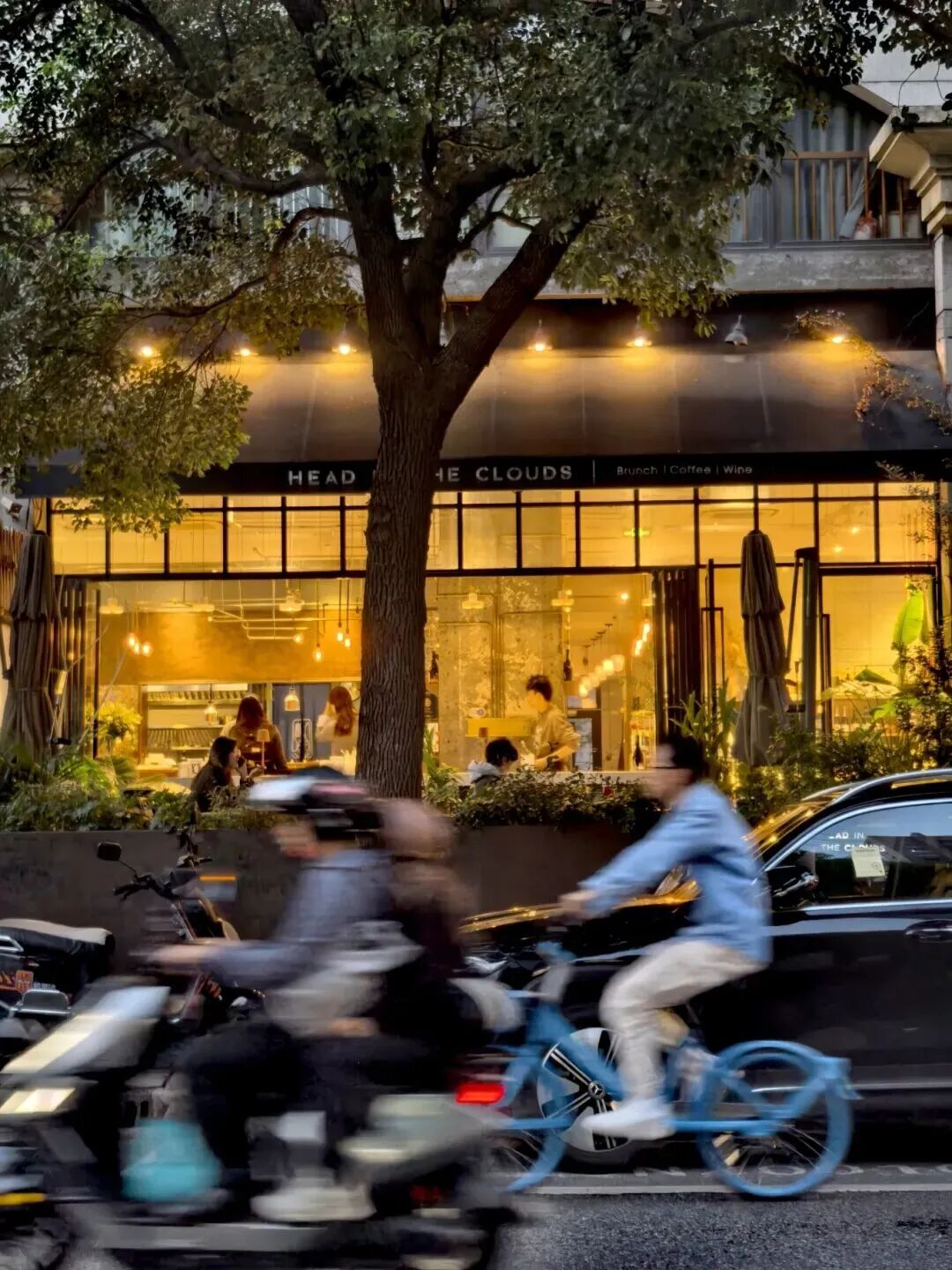
Zhenning Road, adjacent to the busy Jiangsu Road commercial zone, features garden villas, historic shikumen residences and quiet community gardens. Local cafes and affordable eateries line the street, attracting fewer tourists.
Panyu Road stretches roughly two kilometers between Yan'an Rd W. and Kaixuan Road. The stretch between Xinhua Road and Yan'an Rd W. combines Hudec-designed villas, Columbia Circle and art-themed spots alongside restaurants and boutique shops.
The network of alleyways branching off Wuyi Road remains quiet despite growing visitor numbers on the main thoroughfare. Visitors can discover mural-covered lanes, Spanish-style old villa compounds and tucked-away handicraft stores.
Zhaohua Road has emerged as a rising destination for food and nightlife. Former factory buildings converted into creative parks blend industrial red-brick structures with contemporary design. The area hosts diverse restaurants, live music venues and lifestyle boutiques.
These routes deliver a tranquil taste of old Shanghai, blending heritage architecture, everyday neighborhood life and casual dining away from popular tourist hotspots.