First SiliconAlley Shanghai Tech-Enabled Fashion & Consumption Innovators Summit held in Changning, Global talent recruitment launched 发布时间:2026-08-07 信息来源:上海长宁
How can AI and fashion consumption spark more creative content? At the "SiliconAlley Together" roundtable held in a heritage villa on Wuyi Road, Li Yichen, founder of Shanghai Jiuba Culture, initiator and chief director of the AI Spring Festival Gala, shared his viral AI cultural IP, the AI Spring Festival Gala, and expressed his desire to deepen cooperation with Changning to explore coordinated development of cultural industries in central urban areas. Officials of Huayang Road Subdistrict immediately responded with a clear welcome and promised dedicated follow-up after the event.
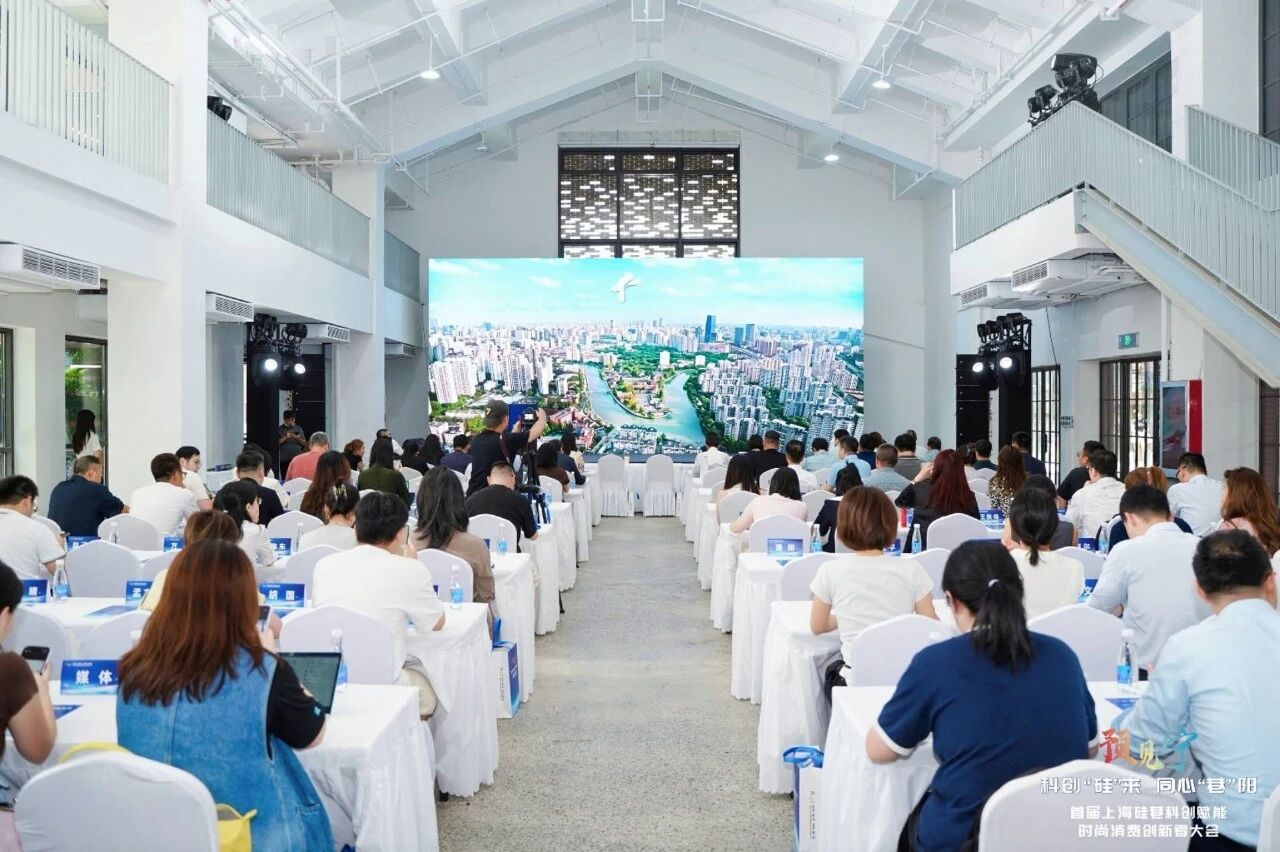
The inaugural Shanghai SiliconAlley Tech-Enabled Fashion & Consumption Innovators Summit, co-hosted by the United Front Work Department of Changning District Committee, the Special Committee Office of the Changning District CPPCC, the Changning District Committee of the China National Democratic Construction Association, and Huayang Road Subdistrict, opened as scheduled. The summit was divided into two sessions with the morning session focusing on policy briefings and industry insights, while the afternoon featuring a closed-door "SiliconAlley Together" matchmaking meeting, where over a dozen tech, cultural and creative, and consumer enterprises, along with individual entrepreneurs, gathered to voice demands and explore cooperation directly with subdistrict and bank representatives.
At the summit, the Shanghai SiliconAlley Tech & Fashion Consumption Talent Recruitment Call was simultaneously launched globally, opening its doors to new social strata, tech R&D professionals, fashion practitioners, digital creative youth, and entrepreneurial talents from across the globe. A dedicated talent pool channel was established to continuously match industrial resources, district-level support policies, and neighborhood development carriers.
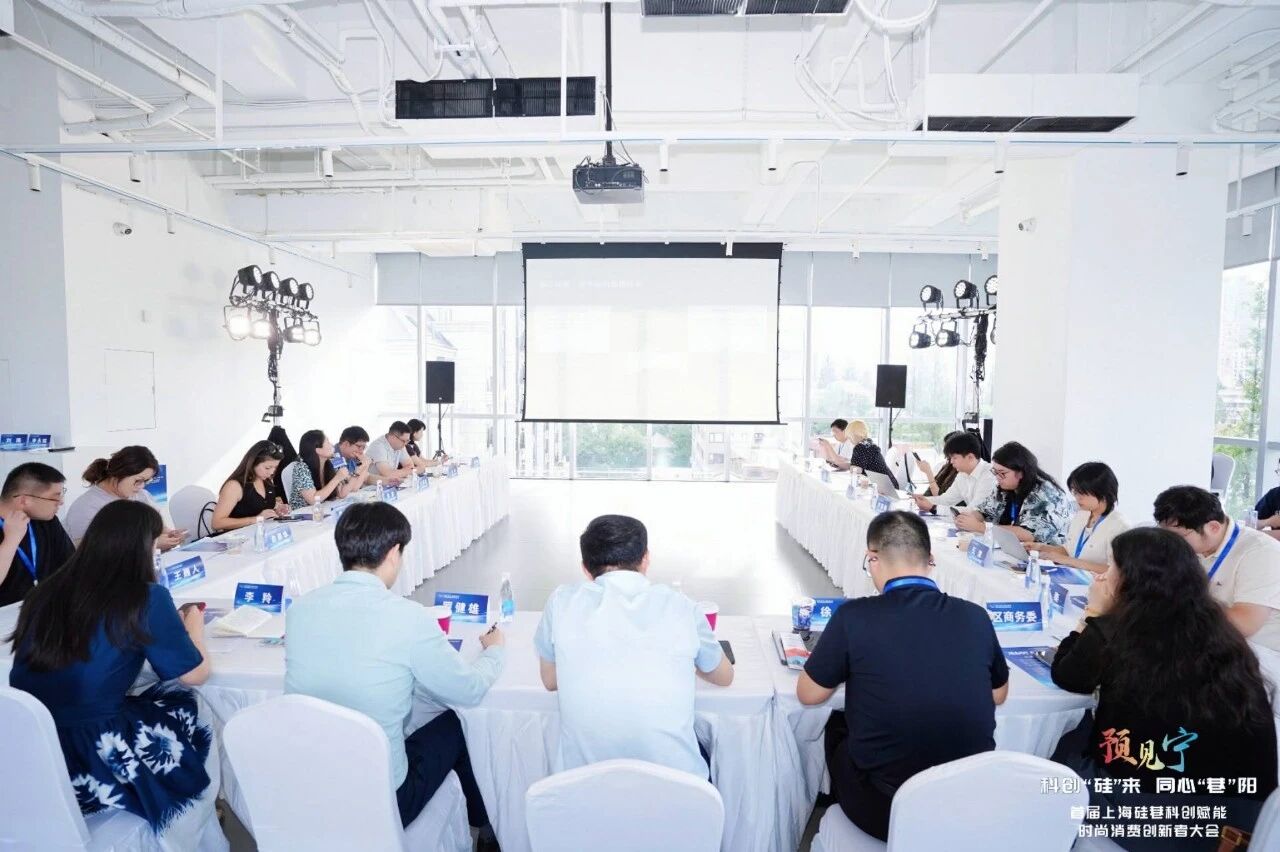
During the roundtable, entrepreneurs spoke freely about their development needs. A smart musical instrument company holding 70 percent of China's core electronic windpipe technology sought cross-border AI+healthcare scenarios; a team specializing in original domestic comics hoped to host a domestic comic exhibition in the district; multiple digital tech and cultural IP enterprises raised development requests one after another, all of which were addressed on-site by the subdistrict.Meanwhile, the Changning Branch of Agricultural Bank of China brought financial support policies such as cultural and creative interest discounts and intellectual property pledge financing, enabling precise problem-solving through face-to-face government-enterprise-bank collaboration.
Why Changning gets involved in the "Tech-Enabled Fashion & Consumption" Synergy?
A relevant official from Huayang Road Subdistrict stated frankly: We do not attract enterprises with policy gimmicks, but with tangible sincerity. As the birthplace of the "Cohesion Project" and a national model collective for ethnic unity progress, Huayang boasts convenient transportation with Metro Lines 2, 3 and 4 connecting the entire city, and mature commercial and community supporting facilities. The subdistrict promises full implementation of all established policies with no hidden thresholds.
Enterprises favor SiliconAlley not only for its policies but also for its unique urban innovation ecosystem. Unlike the "enterprise settlement" model of traditional industrial parks, the 1.48-square-kilometer Shanghai SiliconAlley allows innovation to "grow" naturally: coding under plane trees, conducting research in heritage areas, holding morning meetings in cafes, and discussing innovation amid daily life. The integration of old-town charm and tech industries continuously blurs the boundaries between technology, fashion and consumption, making cross-border cooperation the norm.
A Changning District Commerce Commission official backed the district's industrial strength with hard data: the district's fashion and consumption industry scale has exceeded 100 billion yuan, with a 40 percent year-on-year growth in industry consumption in 2025. Leading domestic fashion brands such as Li-Ning, Dazzle and Zuczug, along with over 200 national trend brands including Chagee and Yangguofu, have gathered here, forming a thriving industrial ecosystem.
Top-level planning provides further support: Changning has issued the 15th Five-Year Plan for the Development of Fashion and Consumption Industry in Changning District and the supporting Three-Year Action Plan for "Fashion Changning, Enjoyable Consumption" (2026–2028), driving the industry's iterative upgrade from single fashion creativity to a full-chain fashion consumption ecosystem. In June this year, the Digital Development Cluster for Fashion Consumption was launched in SiliconAlley, creating a new carrier for digital industrial incubation.
Ao Fang, lead partner of Deloitte China's Consumer Industry, predicted on-site that China's domestic fashion consumption market scale will exceed 3 trillion yuan by 2030, with digitalization and refined operation being key to industry breakthroughs. While the trend is clear, how to put it into practice? In the subsequent thematic sharing session, four guests provided practical answers from four dimensions: enterprise growth, AI transformation, content operation, and scientific research transformation. Despite different sectors, they reached a consensus: the core of tech-enabled consumption lies not in technical tools themselves, but in accurately capturing the public's real emotions and consumption demands.
Numerous tangible practices have already emerged in Changning. Shanghai Garment Group has introduced AI design and digital body measurement technologies, building flexible manufacturing capabilities for "small-batch quick response;" high-end custom brand GRACE CHEN has created a digital experience platform that automatically generates garment patterns by scanning human body models; at the Shanghai SiliconAlley Innovation Salon, students from Donghua University use code to control motors, making skirt pleats simulate leaping flames. Technology is no longer a paper confined to laboratories, but has truly entered tailors' shops, design studios and consumers' wardrobes.
"In Changning, fashion is not just a slogan, but a visible, experienceable and participatory lifestyle; the digital economy is not just a concept, but a unique digital industrial ecosystem built through over 20 years of deep cultivation," said the Changning District Commerce Commission official at the summit. These cases are precisely the daily footnotes of "tech-enabled fashion and consumption" in Changning.
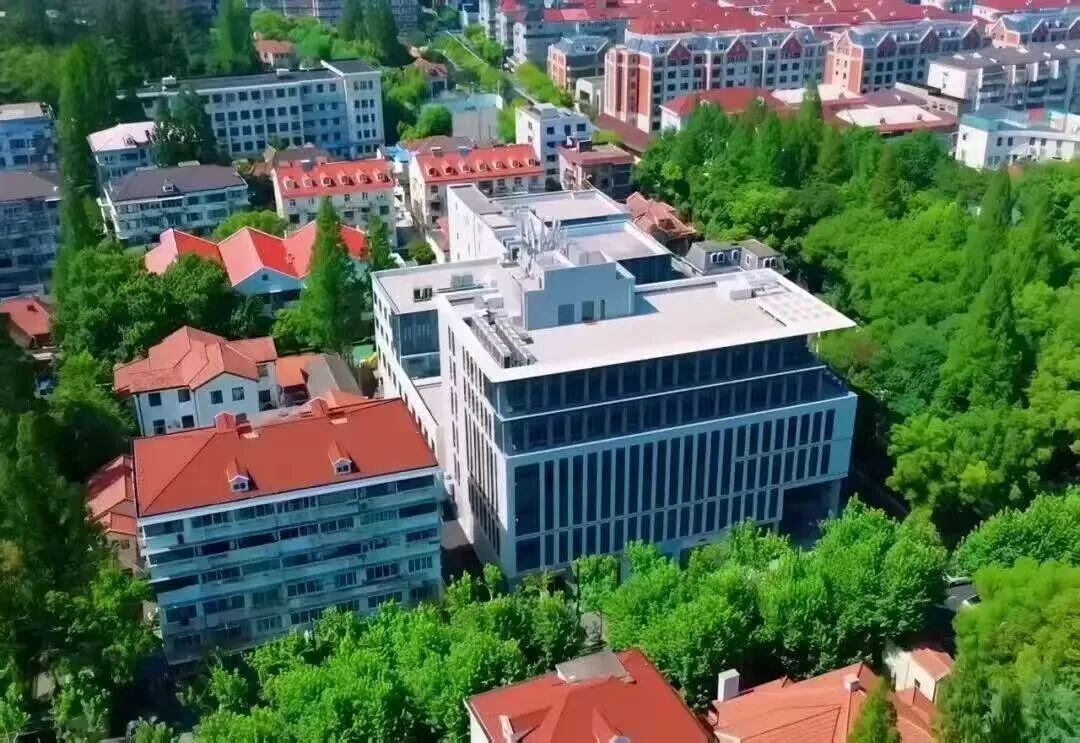
Behind these practices lies a rapidly growing tech neighborhood. Shanghai SiliconAlley started planning and construction in 2022 and was included in Shanghai's key strategic layout in 2024. In just a few years, the number of tech enterprises in the neighborhood has grown from over 500 to more than 930, with emerging industries such as AI, integrated circuits and new energy accelerating agglomeration.
With united front work as a bond and neighborhoods as carriers, Changning is enabling talents to take root and innovation to sprout. Shanghai SiliconAlley, shaded by plane trees, is continuously writing a new urban chapter of symbiosis and prosperity between technology and fashion.