Exploring Civilization, Cities and the Future! "Fragrant Changning · Oriental Reading Ceremony" Held on Aug 15 发布时间:2026-08-21 信息来源:上海长宁
The 3rd "Fragrant Changning · Oriental Reading Ceremony" took place at Changning District Library on August 15. A host of experts and scholars engaged in face-to-face exchanges with readers, delivering insightful sharing on Shanghai's urban cultural lineage and high-quality development.
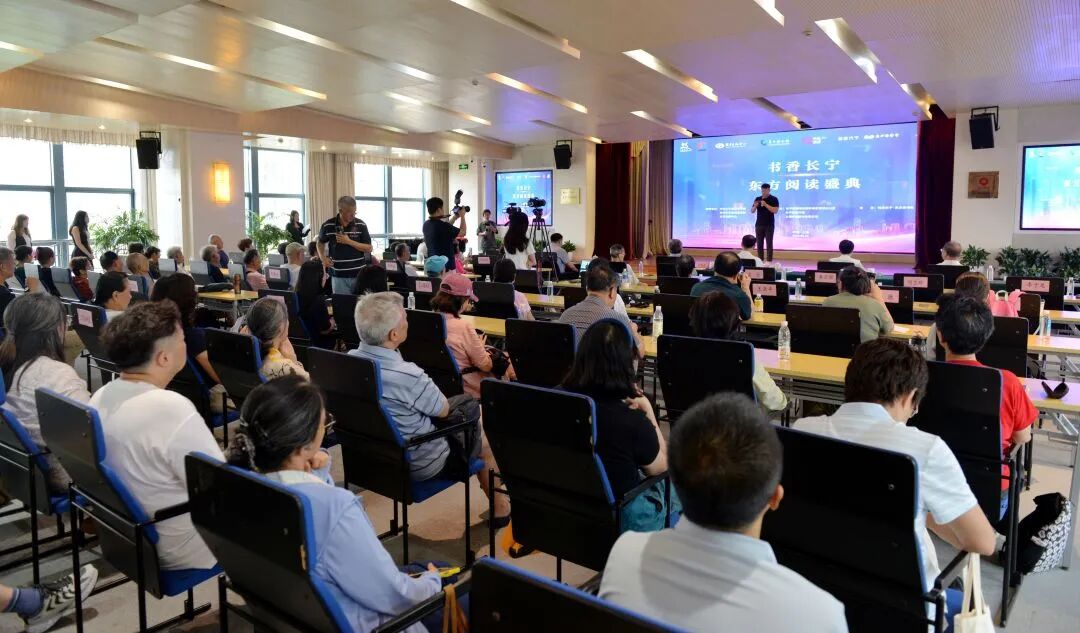
Keynote speeches were delivered by Ruan Qing, Member of the Standing Committee of Shanghai Municipal Committee of the Chinese People's Political Consultative Conference and Dean of Shanghai Institute for Global City Studies; Chen Jie, Deputy Curator and Research Librarian of Shanghai Museum; and Shen Jie, Research Fellow at the Institute of History, Shanghai Academy of Social Sciences. From the perspectives of global urban development, archaeology and history, they explored civilization, cities and the future, helping readers better understand China and Shanghai.

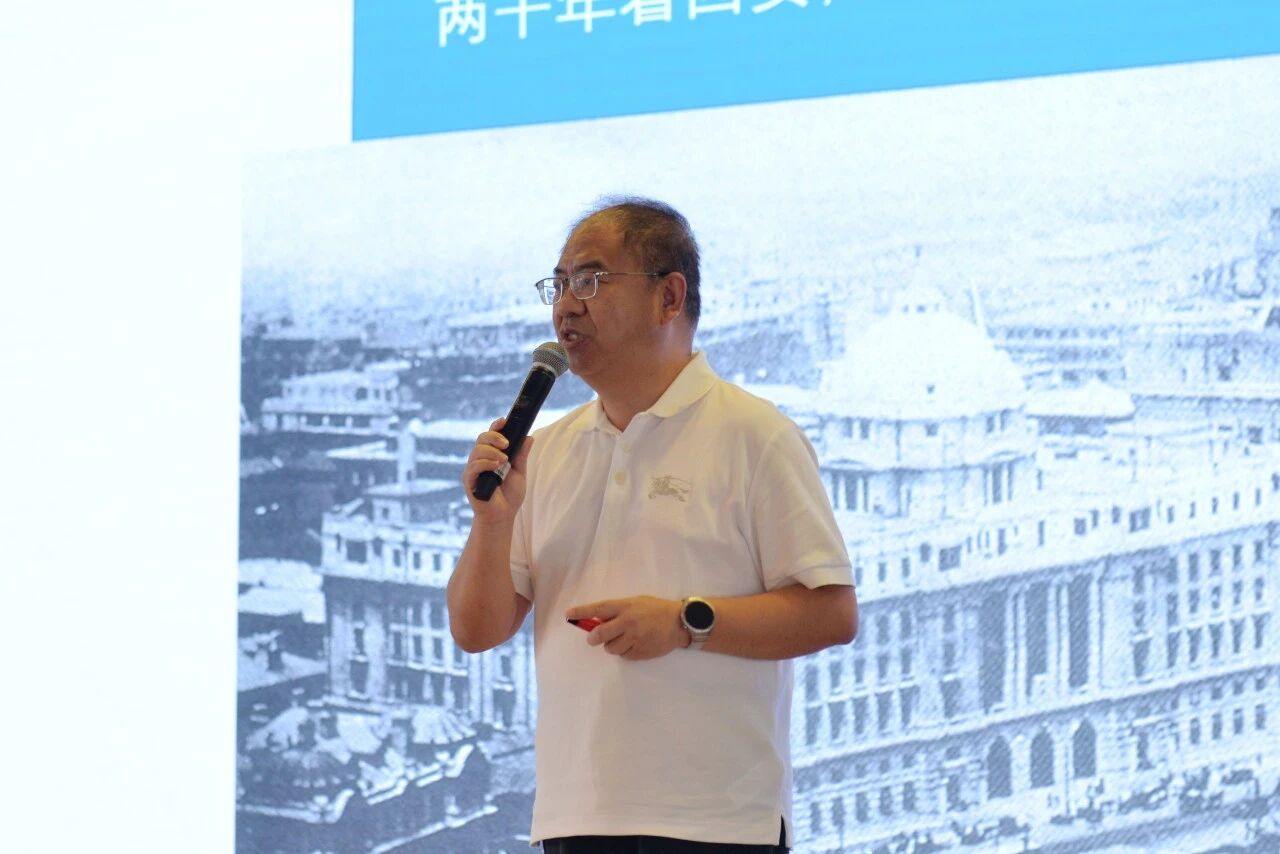
Focusing on the theme "High-quality Development of Shanghai from a Global City Perspective," Ruan systematically elaborated on the strategic path for Shanghai to achieve high-quality development from four dimensions: expanding economic aggregate, fostering new growth engines, strengthening the capacity as a source of scientific and technological innovation, and broadening the space for radiating development.He proposed that Shanghai align with national growth targets. Through targeted measures including expanding effective investment and consumption, building a sound enterprise ecosystem and attracting young talent, the city shall further expand its economic aggregate and consolidate its leading position.Meanwhile, Shanghai shall renovate traditional industries tailored to industrial conditions, strengthen advantages of pioneering industries, explore new tracks for future industries, and cultivate new drivers of growth. As the leading city in the Yangtze River Delta, Shanghai shall take innovation as the guide to elevate the region's capacity as an innovation source, give full play to its strengths in basic research, and shore up weaknesses in investment, academic disciplines, platforms, evaluation systems and supporting mechanisms, said Ruan.
With the speech titled "Six Thousand Years of Shanghai through Archaeological Lens," Chen vividly outlined the evolution of Shanghai's civilization from prehistoric settlements to a modern metropolis.He stated that archaeological discoveries have verified that continuous civilization has thrived on the land of Shanghai for 6,000 years. Excavations of key sites dating back to the Majiabang, Songze and Liangzhu cultures recreate scenes of ancestors settling beside waterways, cultivating land, multiplying and creating early civilizations. These archaeological findings turn the vague image of Shanghai recorded in historical documents into something tangible and vivid.They not only fill gaps in regional historical narratives, but also bear witness to Shanghai's profound historical and cultural heritage. Chen held that in the progress of urban renewal and cultural development, importance should be attached to the transformation and utilization of archaeological achievements, enabling history and cultural relics to "speak" and offering solid support for Shanghai to boost cultural confidence and enhance urban soft power.
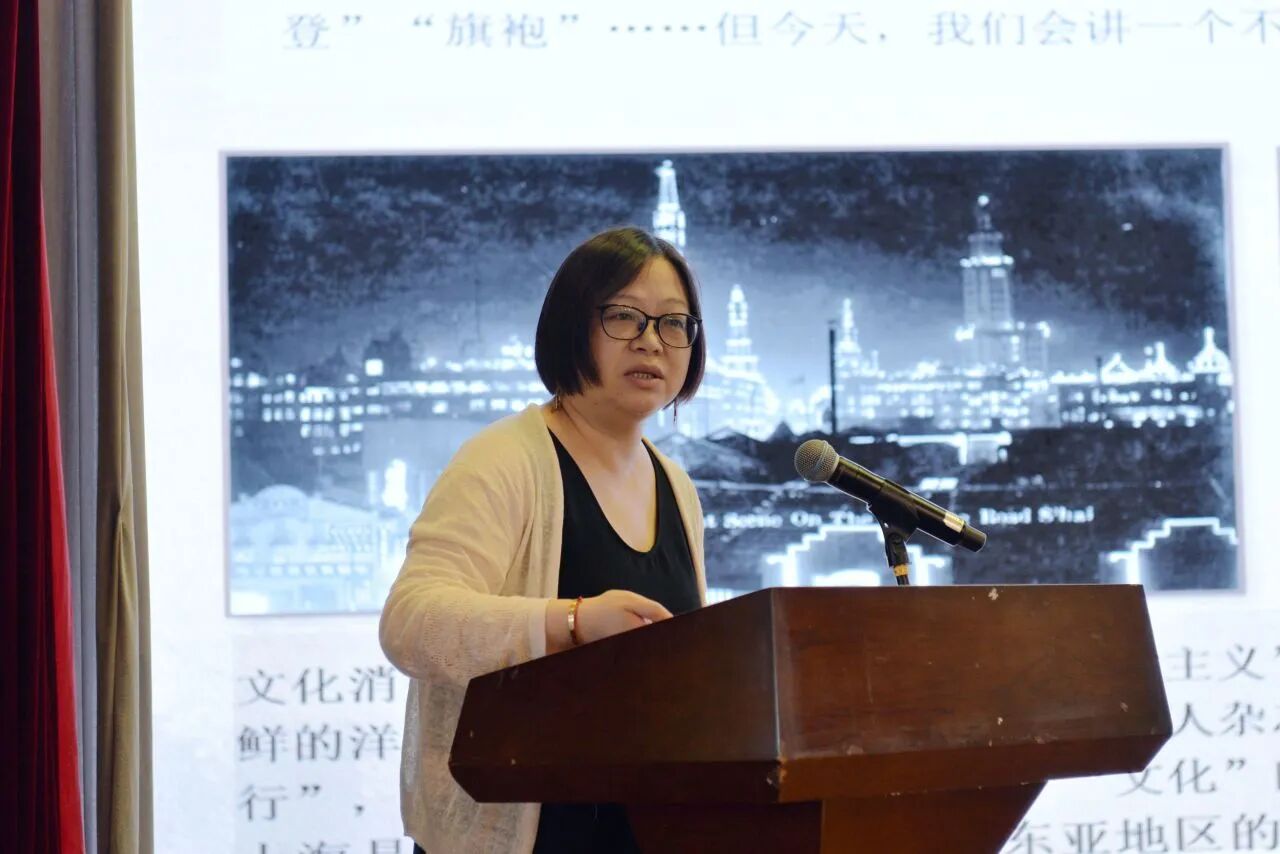
Centering on the theme "How Reading Shapes a City — Cultural Experience of Modern Shanghai," Shen reviewed the cultural landscape of modern Shanghai featuring a booming publishing industry, flourishing newspapers and periodicals, and rising public reading spaces.
The high concentration of publishing institutions represented by The Commercial Press and Civilization Press made Shanghai the undisputed hub of China's modern publishing industry. Prosperous mass media such as newspapers and journals turned Shanghai into an important birthplace of revolutionary ideas in modern times. During the 1920s and 1930s, Shanghai formed a cultural network. Fuzhou Road, dubbed the "Cultural Street," gathered numerous bookstores and newspaper offices. It attracted talent and fostered symbiotic business operations, forming a virtuous cycle between culture and the market.
About 120 readers of all ages participated in the event. Attending officials and distinguished guests presented books to eight reader representatives. Using books as a medium, they passed on the power of reading and encouraged citizens to gain spiritual nourishment through reading and perceive the warmth of the city amid the fragrance of books. Zhong, an 8th-grade student who received a book, attended the reading ceremony for the second time after a rewarding experience last year."Compared with simple interactions with electronic devices, I prefer this traditional way of communicating face-to-face with renowned scholars," Zhong said. He mentioned that books deliver unique reading experiences and learning joy unavailable on mobile phones and other electronics. Reading helps him relax and cultivate temperament in spare time. He hoped there will be more opportunities to communicate and interact with experts and scholars in the future.
The event was guided by the Publicity Department of Changning District, Changning District Culture and Tourism Bureau and Orient Publishing Center. It was hosted by Changning District Press, Publication, Film and Television Administration Office, Changning District Library and China Publishing Group and co-organized by the Reading Changning · Oriental Reading Club.Wang Weisong, Party Secretary and Vice Chairman of Shanghai Federation of Social Science Associations; Chen Yiwang, Party Secretary and Director of Orient Publishing Center; and Pan Guoli, Member of the Standing Committee of Changning District Party Committee and Director of the Publicity Department, attended the activity.