Welcome to Changning to accelerate business growth 发布时间:2026-10-23 信息来源:上海长宁
On October 16th and 17th, the "Shanghai Silicon Alley" Innovation Academy 2026 Co-creation Camp and the 2nd "Shanghai Silicon Alley" Innovation and Entrepreneurship Competition Preliminary Round were held at the "Shanghai Silicon Alley" Core Space on Dingxi Road.Twenty science and technology innovation teams, selected from nearly 80 applicant projects, gathered at the event, covering cutting-edge tracks such as integrated circuits, industrial AI, new materials, intelligent equipment, and digital supply chains. Through co-creation discussions, specialized lectures, and project roadshows, they completed a practical entrepreneurial training session focusing on real-world challenges faced by enterprises.
This seems to be just a qualifying match, but its significance extends well beyond a competition.
Hard technologies are returning to the city center

The venue for the event, the "Chip Space" of the Shanghai Silicon Valley, is the former site of the No. 1 Experimental Building of the Shanghai Institute of Ceramics, Chinese Academy of Sciences. After urban renewal, this old building was renovated in April this year as an 8-story, 8,000-square-meter incubation space, becoming the core location of "Shanghai Silicon Alley."
The "Shanghai Silicon Alley" science and technology innovation district covers an area of approximately 1.48 square kilometers, bounded by Jiangsu Road to the east, Yan'an West Road to the south, Kaixuan Road to the west, and Huichuan Road-Changning Road-Anxi Road-Yuyuan Road to the north, forming a "grid" layout along Wuyi Road and Dingxi Road. Backed by the Shanghai Institute of Microsystem and Information Technology and the Shanghai Institute of Ceramics of the Chinese Academy of Sciences, the district has already attracted over 1,000 technology companies, with industries such as AI+, integrated circuits, biomedicine, and new energy gradually forming a cluster effect.
While the high cost of living and space in central urban areas has long been considered a disadvantage for hard-tech startups, "Shanghai Silicon Alley" offers a different answer with an incubator converted from an old research institute building. Urban areas can not only support consumption and daily life, but also become a source of cutting-edge technology. From 2023 to 2026, Huayang Road Subdistrict, focusing on the construction of "Shanghai Silicon Alley," has created a number of physical spaces, including Silicon Alley No.1 Innovation Space and the Innovation Living Room. It regularly conducts branded activities such as the "Shanghai Silicon Alley Innovation and Entrepreneurship Competition," "Silicon Alley Breakfast Meeting," and "Silicon Alley Benefits Enterprises," and collaborates with the District Science and Technology Commission, the District Talent Bureau, the District People's Court, and various professional institutions to provide enterprises with one-stop services for policy application, talent matching, financing, legal affairs, and intellectual property.
Beyond technology, there are many other hurdles
In January of this year, the inaugural "Shanghai Silicon Alley" Innovation and Entrepreneurship Competition was launched, attracting 72 teams to register. Twelve teams advanced to the finals, and two winning projects—aerospace laser precision manufacturing equipment and AI computing chip packaging—have successfully settled in Silicon Alley. This year's competition attracted nearly 80 projects, but the organizers focused more on the projects' actual growth needs.
"Tackling key technological challenges is only the first step," a relevant official from Huayang Road Subdistrict stated frankly in his opening remarks. From laboratory technology to market-ready products, numerous hurdles must be overcome, including strategic planning, team building, compliance and risk control, market expansion, and financing guarantees.
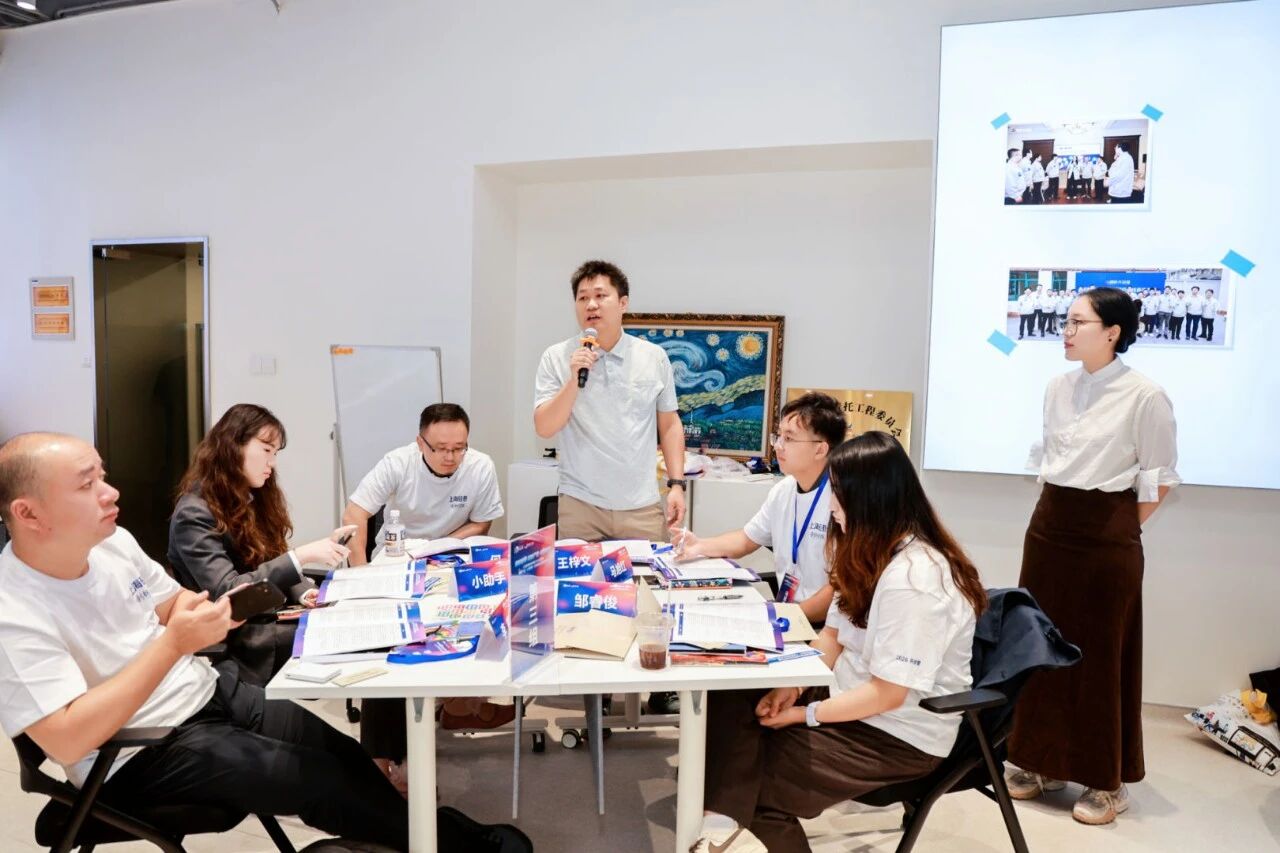
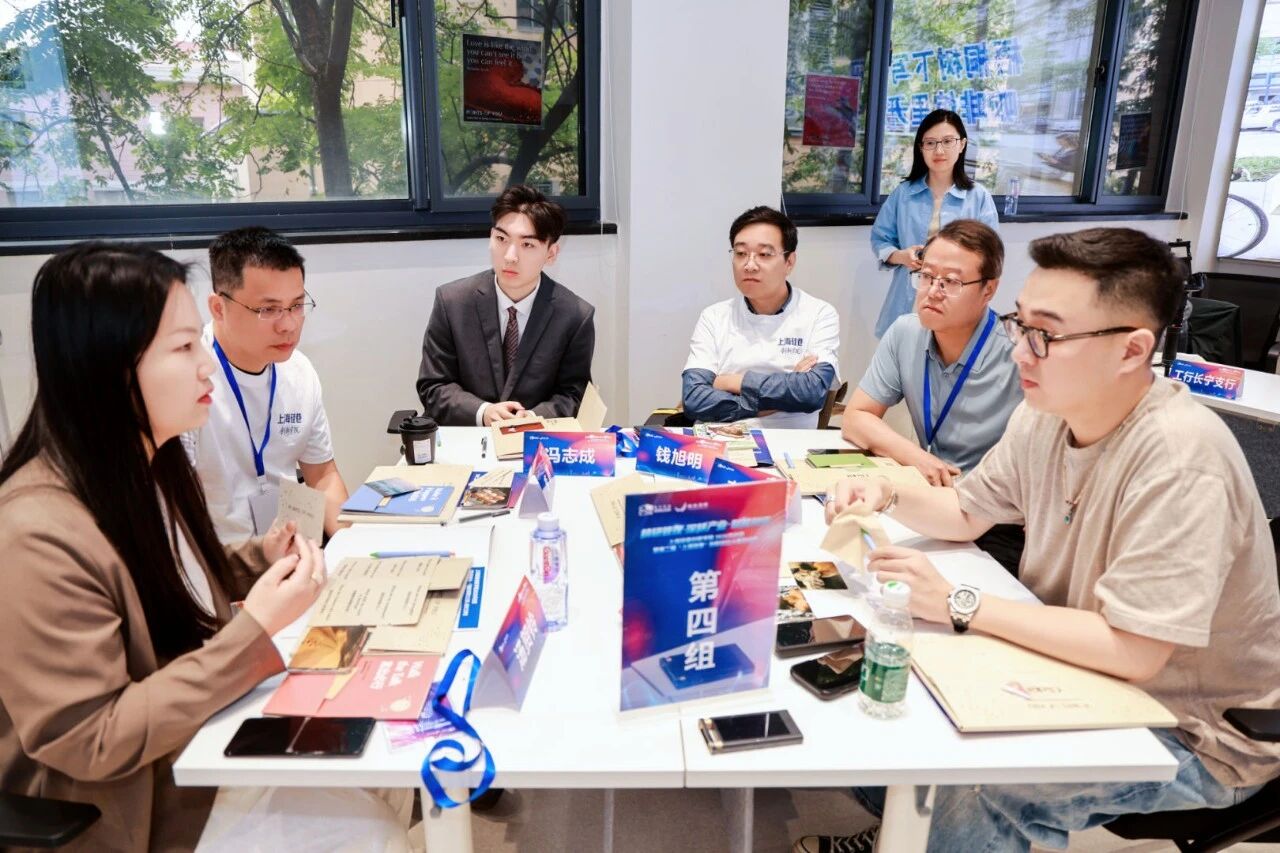
This is precisely the common predicament of hard technology startups today. Among the 20 projects showcased, there were industrialization projects with dozens of independent patents, products sold overseas, and partnerships with leading industry clients, as well as startup teams rooted in laboratories, driven by technological ideals, and currently in the commercialization ramp-up phase. What they often lack is not technology, but the ability to turn technology into products, products into markets, and markets into sustainable operations.
Turning competition into a service station
Therefore, this qualifying round made an unusual arrangement, bringing the coaching and communication sessions forward to before the roadshow.
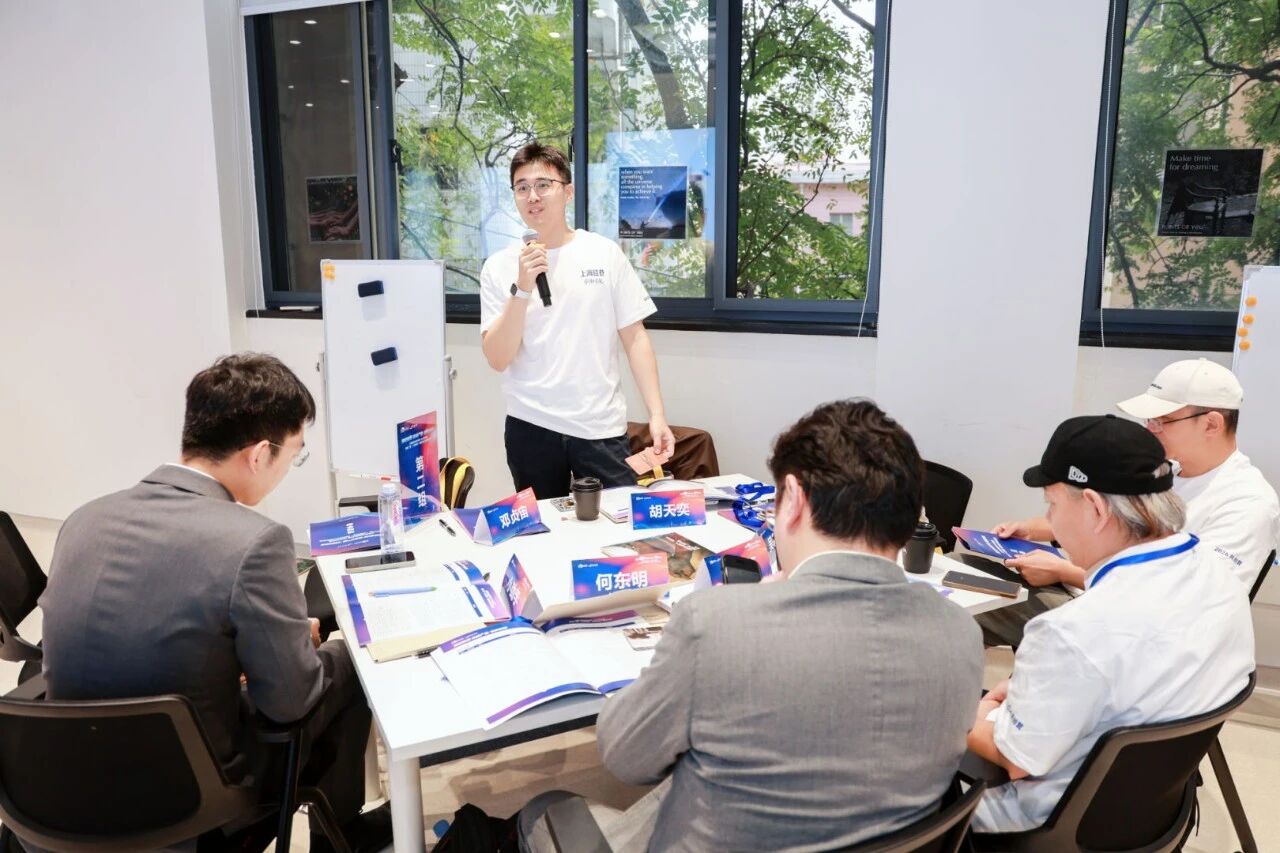
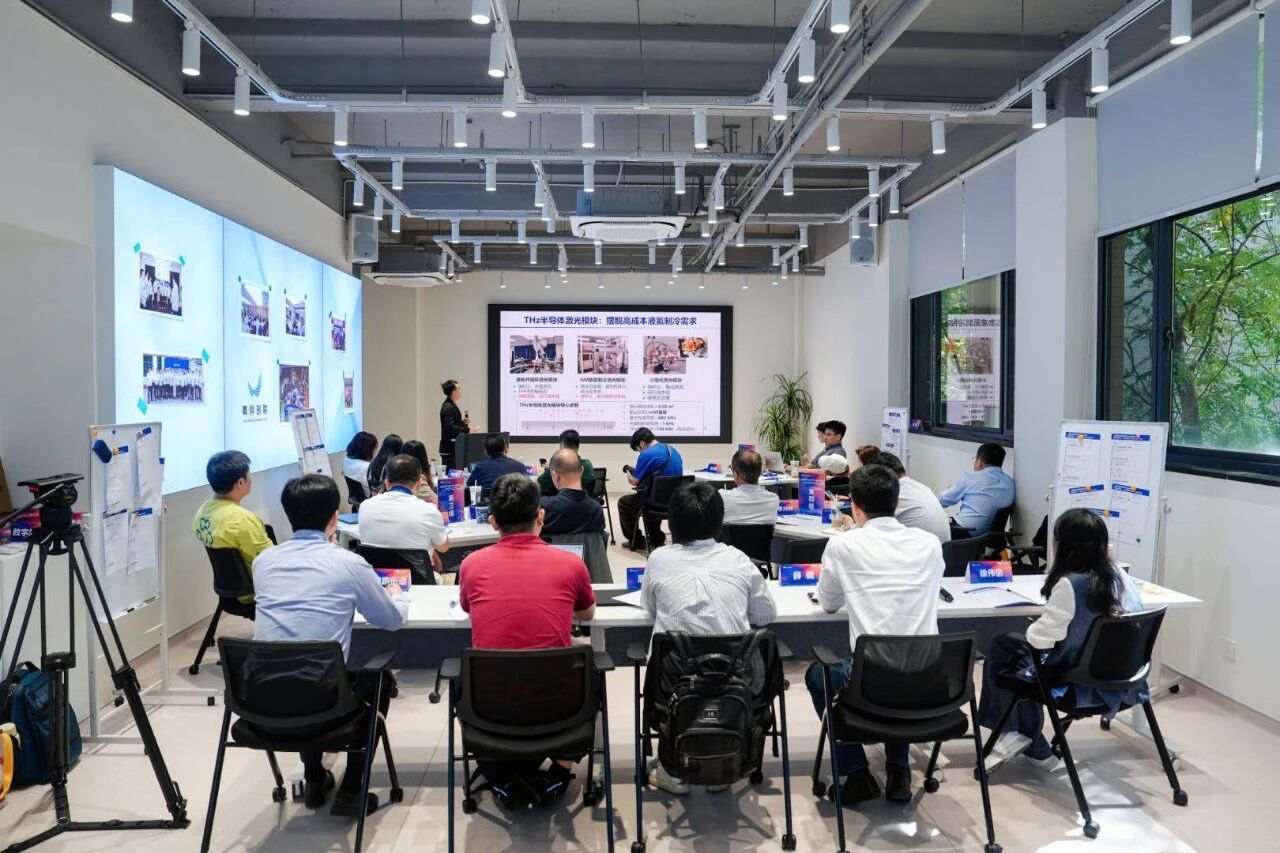
On the first day of the event, an immersive icebreaker workshop was launched, where 20 founders sat around a table to exchange ideas. The focus wasn't on their projects, but rather on "who I am right now." Companies in the computing power sector hoped to find opportunities for cross-industry collaboration, entrepreneurs in the spatial intelligence field sought professional analysis of commercialization paths, companies that had already successfully launched their products overseas were eager to break into the domestic B2B market, and AI startups in their early stages looked forward to addressing their shortcomings in equity structure and organizational management.
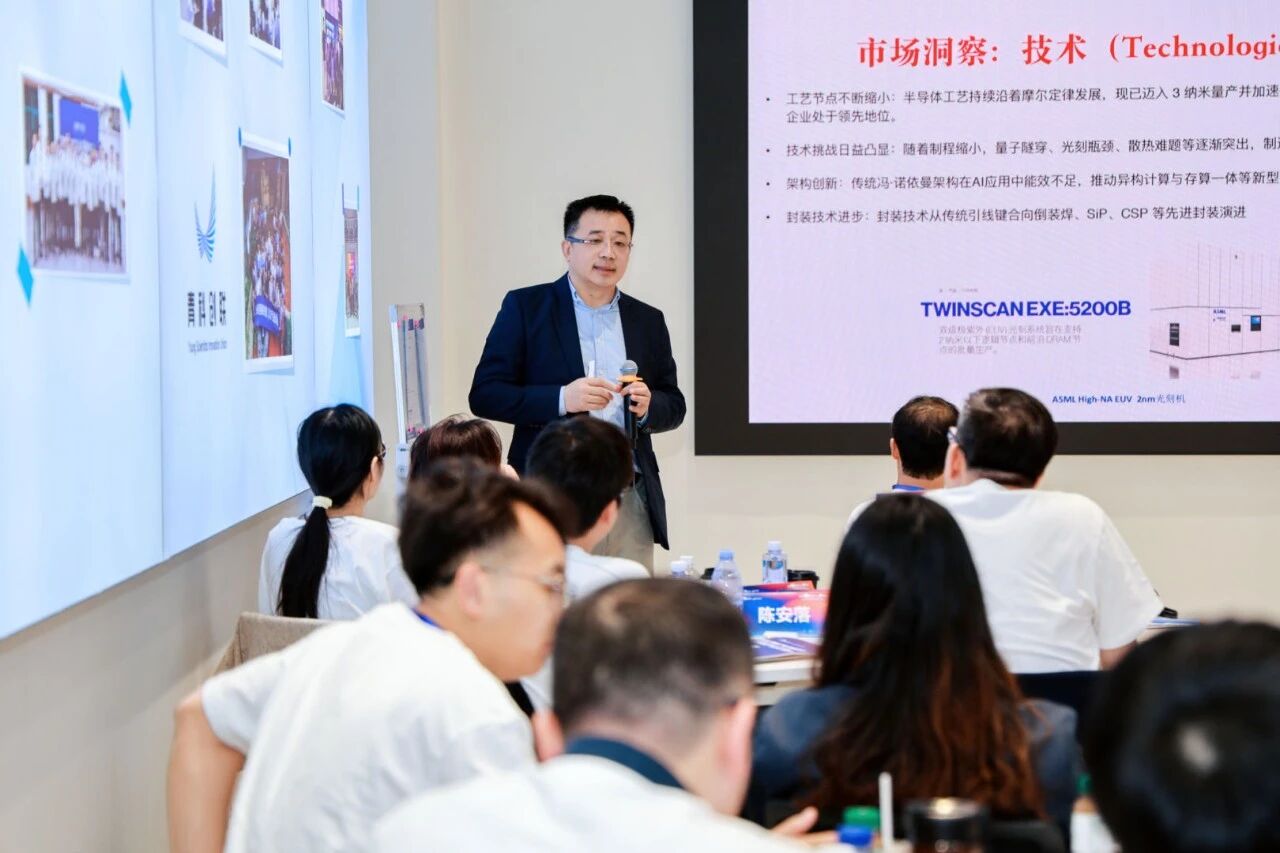
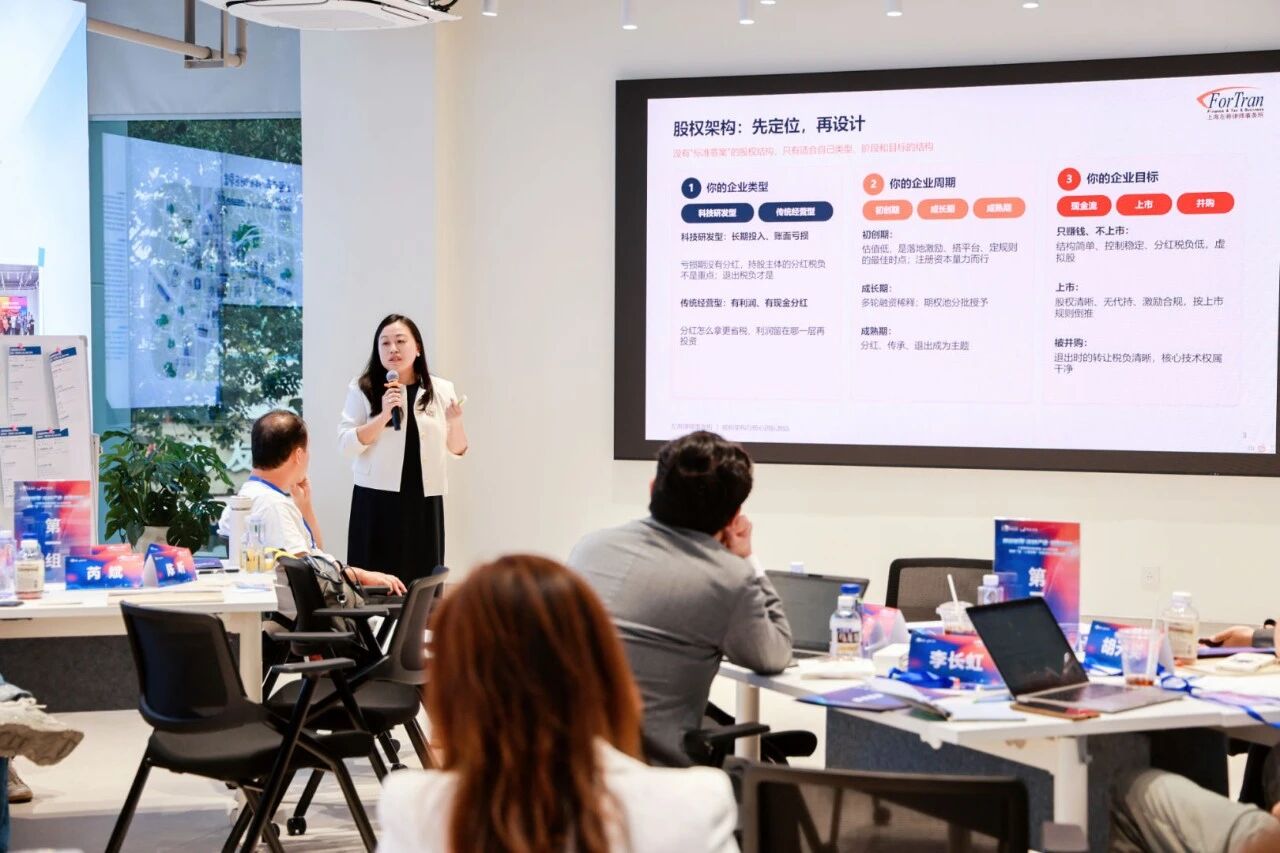
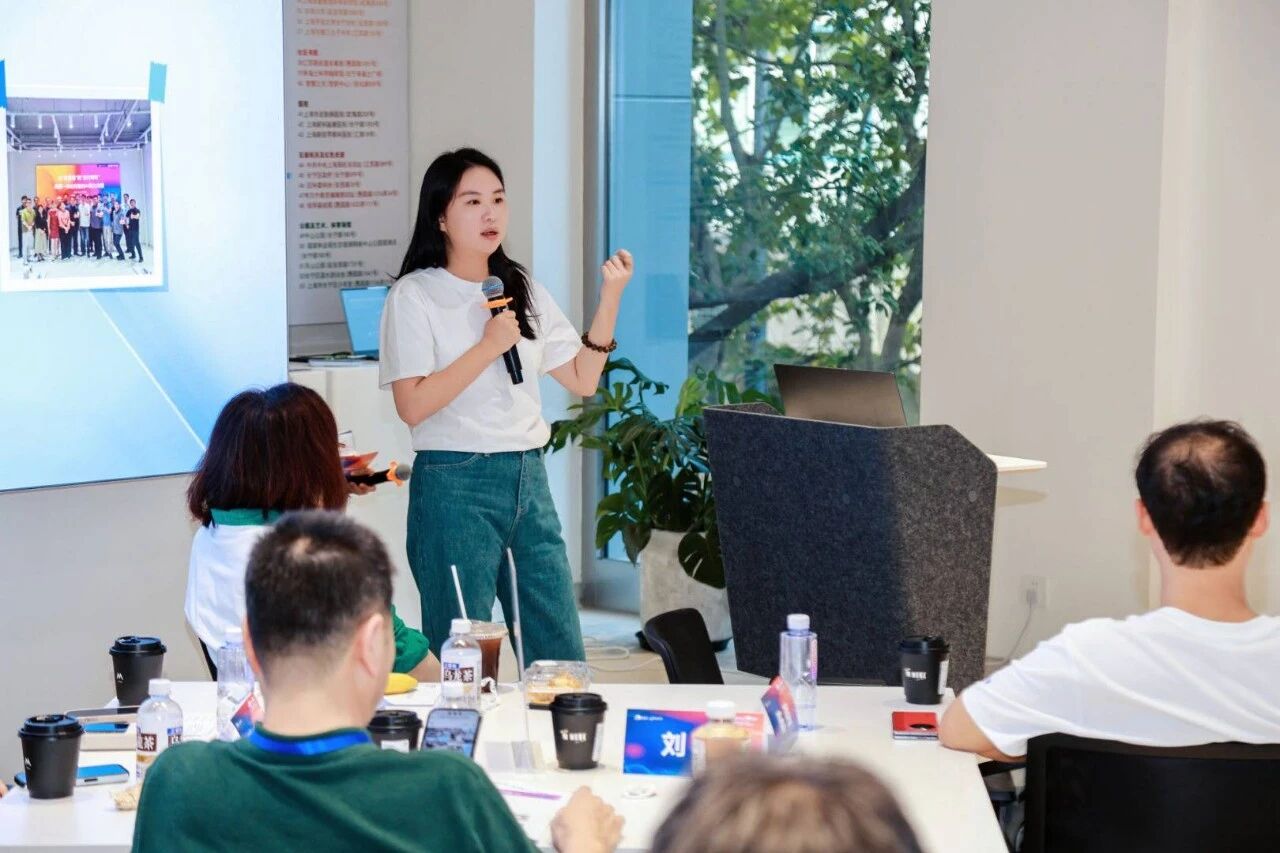
Mentors and investors acted not only as judges but also as "consulting experts" for industry development. They analyzed the root causes of problems from multiple dimensions, including industry strategy, equity compliance, talent development, and capital financing. Some participants presented their own equity plans for on-site consultation, while entrepreneurs shared their development pain points for interactive discussion. After the presentations, the judges held closed-door discussions, scoring each aspect—business logic, financing shortcomings, equity planning, and talent development—and simultaneously adding these projects to the Silicon Alley's high-quality project resource reserve.
"Coming here is not just for a roadshow and exposure." This is a common sentiment among many entrepreneurs at the event. For these entrepreneurs with technical backgrounds, the competition is more like a window to find like-minded people and bridge the "last mile" from technology to industry.
Urban central districts can also become sources of cutting-edge technologies
The value of a qualifying match is ultimately limited. But the direction it reflects is worth careful consideration.
At the closing ceremony, relevant officials from the district science and technology commission exchanged views with the participants, jointly reviewing the gains from the two days of learning and collaborative creation.
When the government, research institutions, capital, and entrepreneurs resonate in unison, and nurture new productive forces through supportive incubation services, "Science and Technology Innovation Returning to the City" will no longer be just a slogan. The projects implemented in the first competition this January have already proven the feasibility of this path. The nearly 80 projects that registered and the 20 teams that advanced this year demonstrate that more and more hard-tech teams are willing to use the central urban area as the starting point for moving from technology to application and from ideas to the market.
"If a project has needs in terms of technology, application scenarios, financing, or implementation, the subdistrict is willing to work with relevant district departments and partners to help connect resources and provide follow-up services," said the head of Huayang Road Subdistrict.
Cities are not only hubs for consumer life, but also sources of cutting-edge technology. In "Shanghai Silicon Alley," this is gradually becoming a reality. Welcome to Changning, where you can accelerate your growth. Amidst the wave of science and technology innovation returning to the city, "Shanghai Silicon Alley" is providing tangible support services to help hard-tech entrepreneurs move steadily forward.