In Changning, you can visit a park at anytime, 24 hours a day! 发布时间:2026-10-29 信息来源:上海长宁
The remarkable transformation of Changning District is not only reflected in its development journey but also in the daily lives of its residents.Over the past five year, dedicated efforts have brought about a remarkable change: the "coolest neighborhood in the world" is bustling with activities, 24-hour parks offer convenient access to senior services, and an eco-friendly living environment is thriving. Furthermore, a vibrant entrepreneurial environment flourishes under the sycamore trees... These subtle details bear witness to extraordinary changes.The Changning District Media Convergence Center presents a series of in-depth reports titled "Welcoming the Party Congress: Uniting for a New Journey," exploring diverse scenarios to reveal the true story of Changning's urban renewal, improvement of people's livelihoods, ecological revitalization, and business empowerment over the past five years. These reports aim to help readers understand the warmth and vitality of this district as it strives to become a world-class international urban center.
In Changning, parks are no longer just sceneries during the day, but a part of life that can be accessed 24 hours a day.
At 10 p.m., the entrance to Tianshan Park on Yan'an West Road remains open. Young people enjoyed the night view from stone benches by the lake, while night runners steadily made their way along the circular permeable walkway. Just across the street in Haisu Park C·PARK, the live performance at Yuyintang Youth Music Town continued to heat up, with young people, shedding the fatigue of the day, entrusting their relaxing evenings to music.
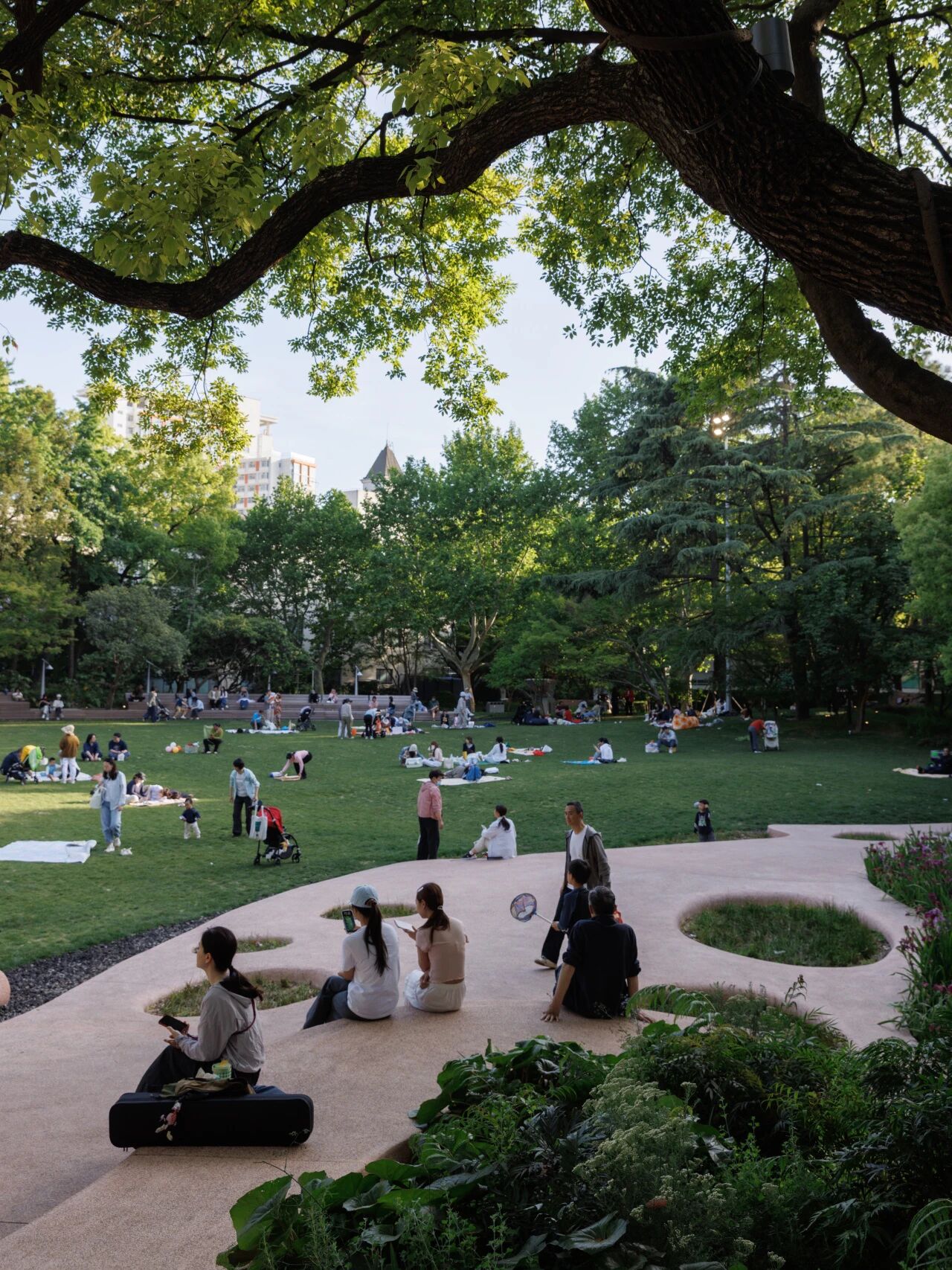
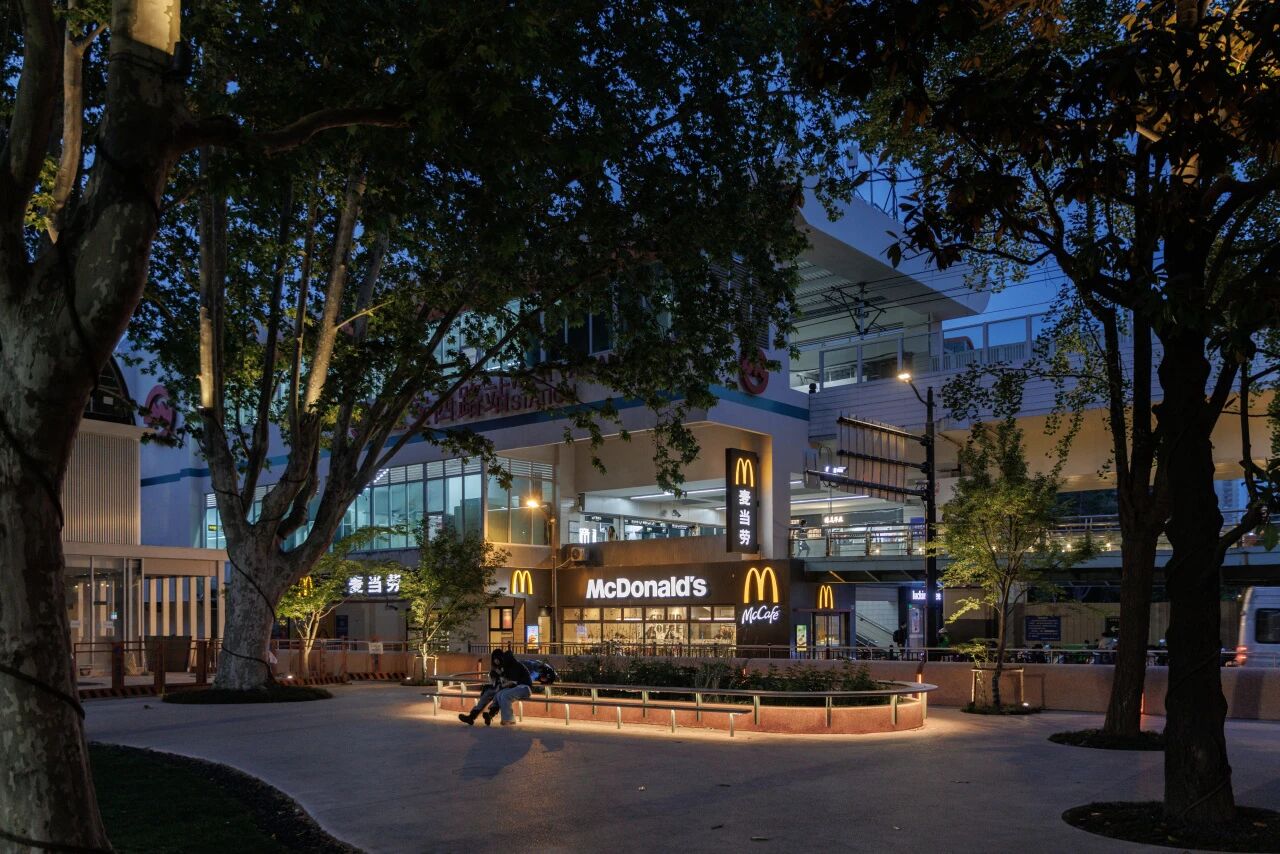
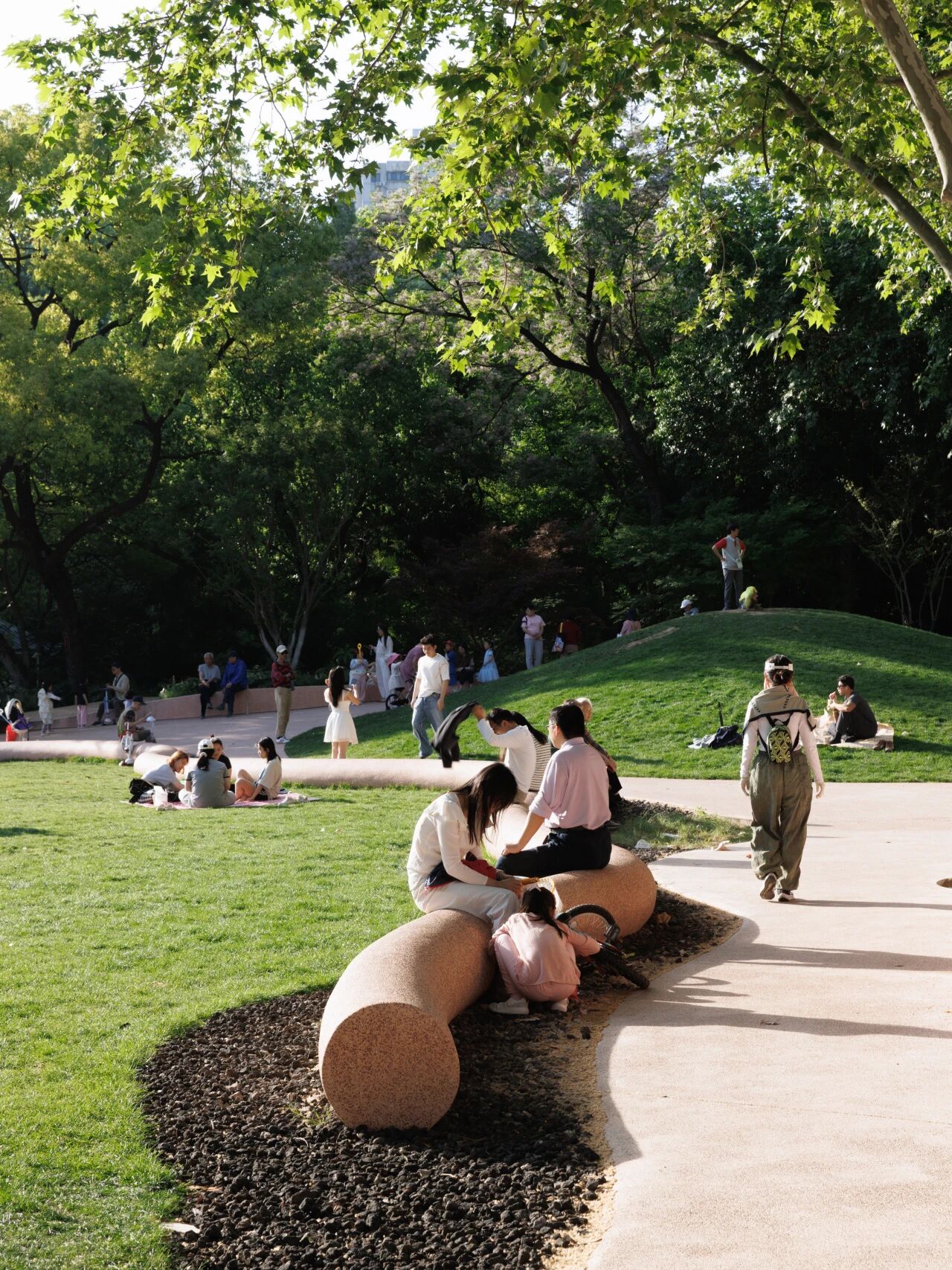
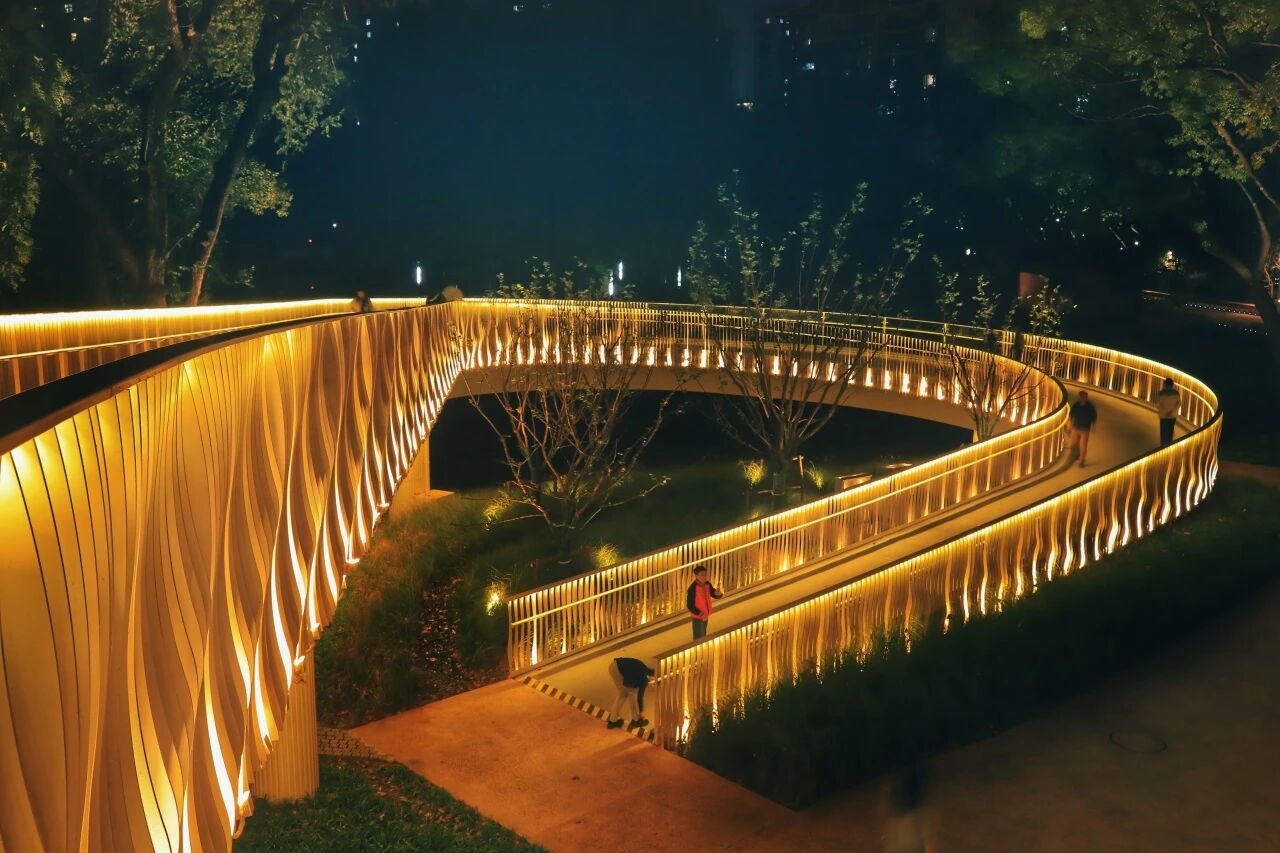
An ordinary night is anything but ordinary for the residents of Changning.This September, Tianshan Park completed a major upgrade, with the removal of the wall along Kaixuan Road. The curved bench, jokingly referred to by netizens as the "noodle bench," and the "Tianshan Window" framing the lake and trees, along with its 24-hour openness, have made this long-established park a daily spot for nearby residents to stroll and relax, and for young people to sit and chat. Not only Tianshan Park, but all 21 district-owned parks in Changning are now open 24 hours a day. Many Changning residents already enjoy the benefit of having a park near their homes open 24 hours a day; evening walks, exercise, or, like tonight, sitting by the lake for a while, have become part of their daily lives.
The park needs to open "two gates" to be opened.
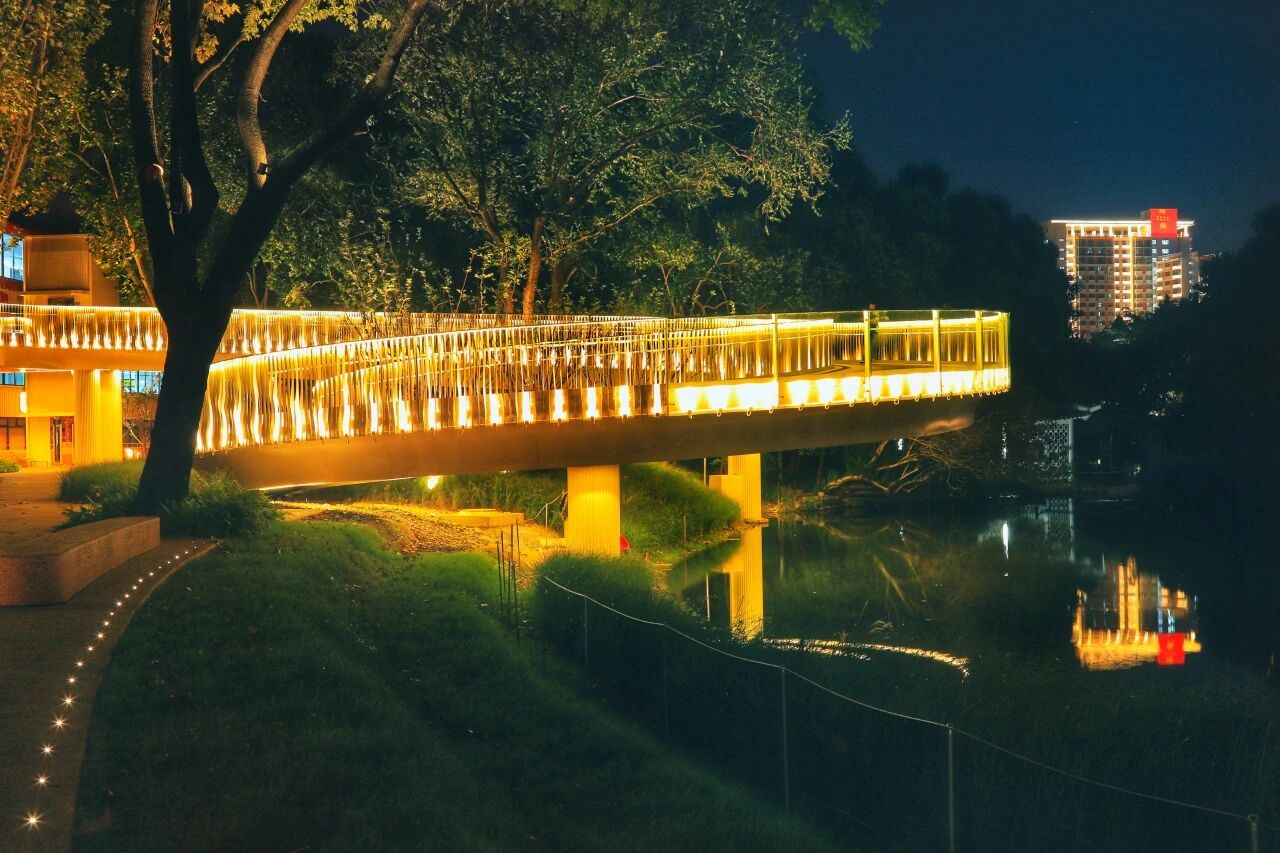
The recent renovation of Tianshan Park actually involved two things: one was the implementation of 24-hour opening last year, and the other was the demolition of one side of the wall on Kaixuan Road and the construction of Kaixuan Bridge in September this year. The former is a "time gate," and the latter is a "space gate."
Let's start with the "hours issue." In 2016, Zhongshan Park became the first district-owned park in Changning to open 24 hours a day, welcoming visitors around the clock. Since then, one district-owned park after another has extended their opening hours, no longer closing at a set time, and greenery has become the unchanging backdrop of this urban area. Opening is not difficult; the challenge lies in managing it after it "stays open." Security, cleaning, lighting, and surveillance all need to be rescheduled. Before the gates are even opened, these unseen preparations must be completed.
Let's then move onto the "Space Gate" again. In September 2022, four resident representatives from Huayang Road Subdistrict pushed open the "Gate of Happiness" on the Wanhangdu Road side of Zhongshan Park. A wall was demolished, two public squares were opened to the outside, and the scenery hidden in the park was brought into the streets and alleys, unfolding a unique picture where century-old trees, century-old buildings, century-old public transportation, century-old Wanhangdu Road, century-old park, and century-old campus stay in harmony.
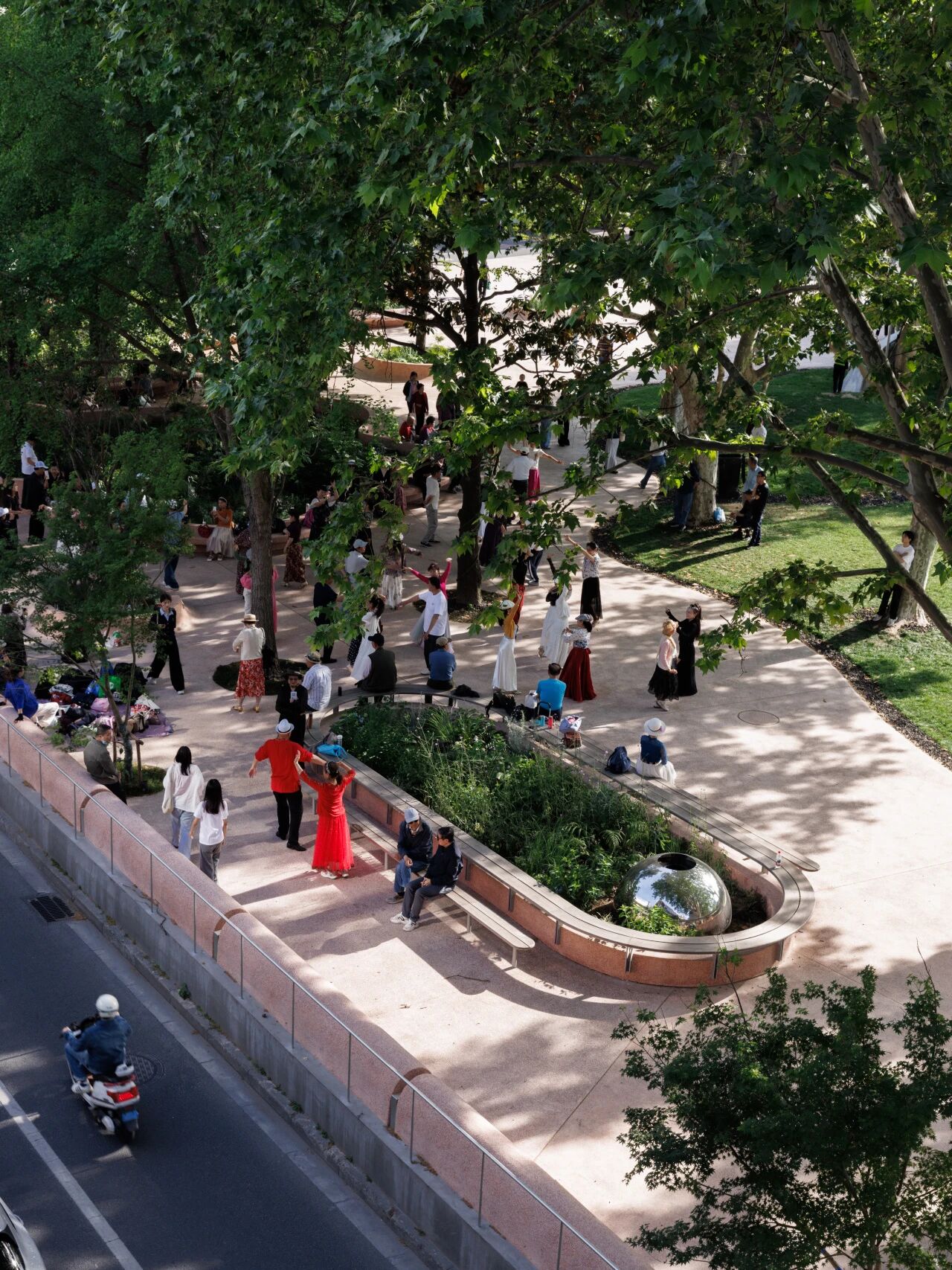
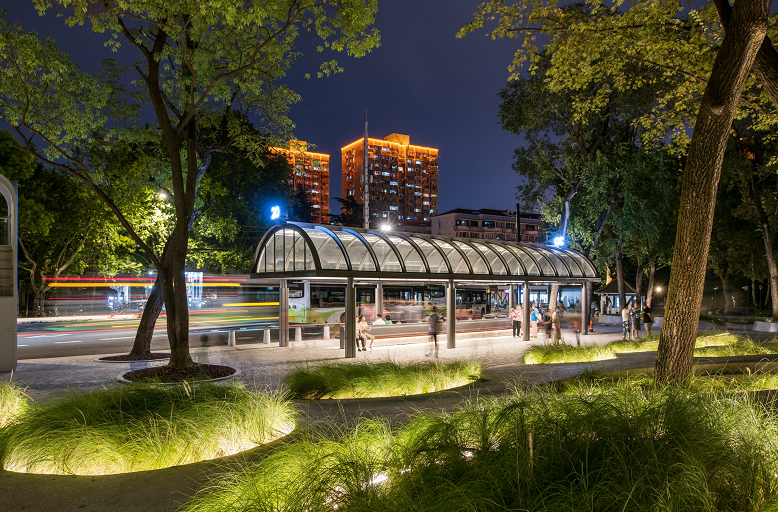
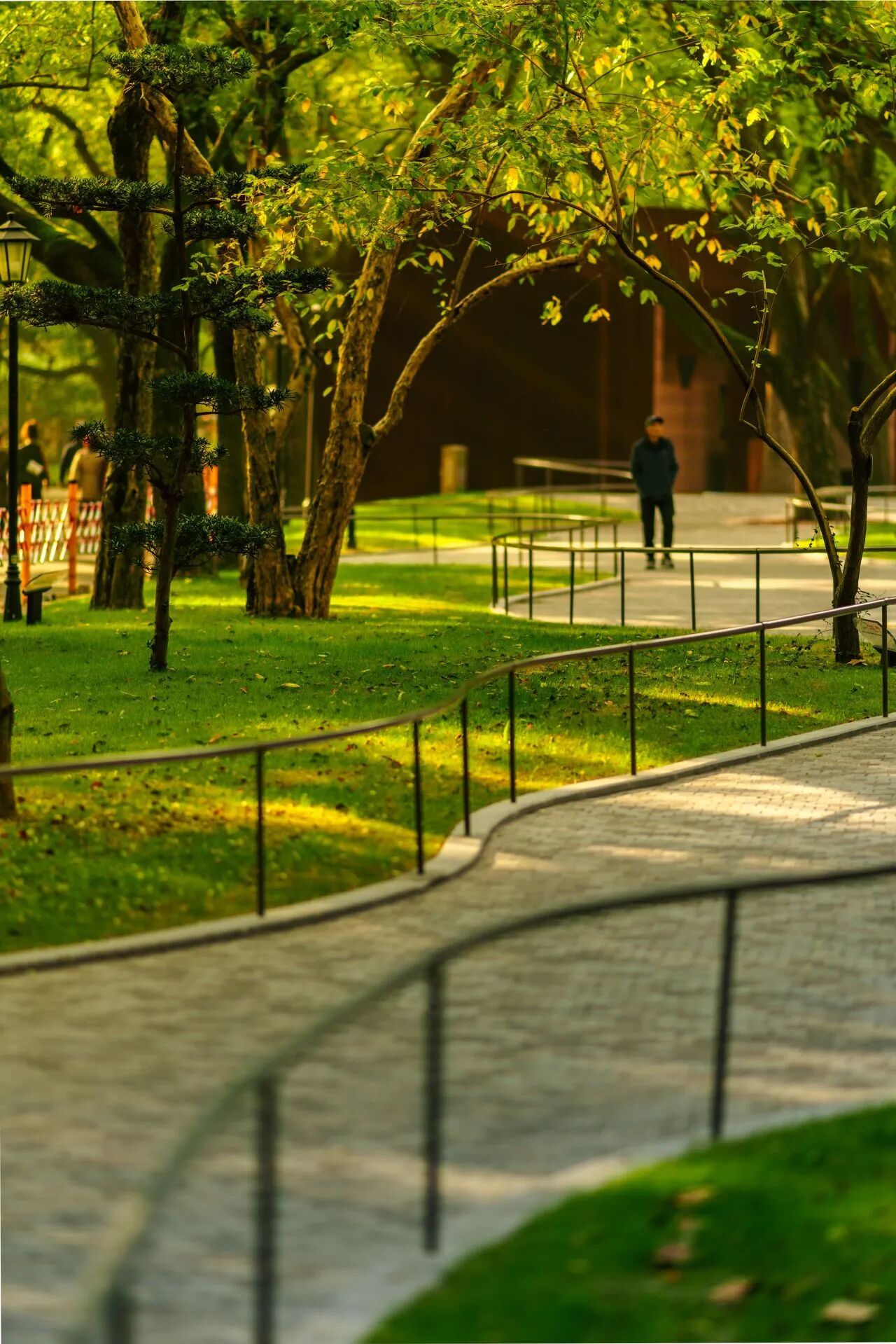
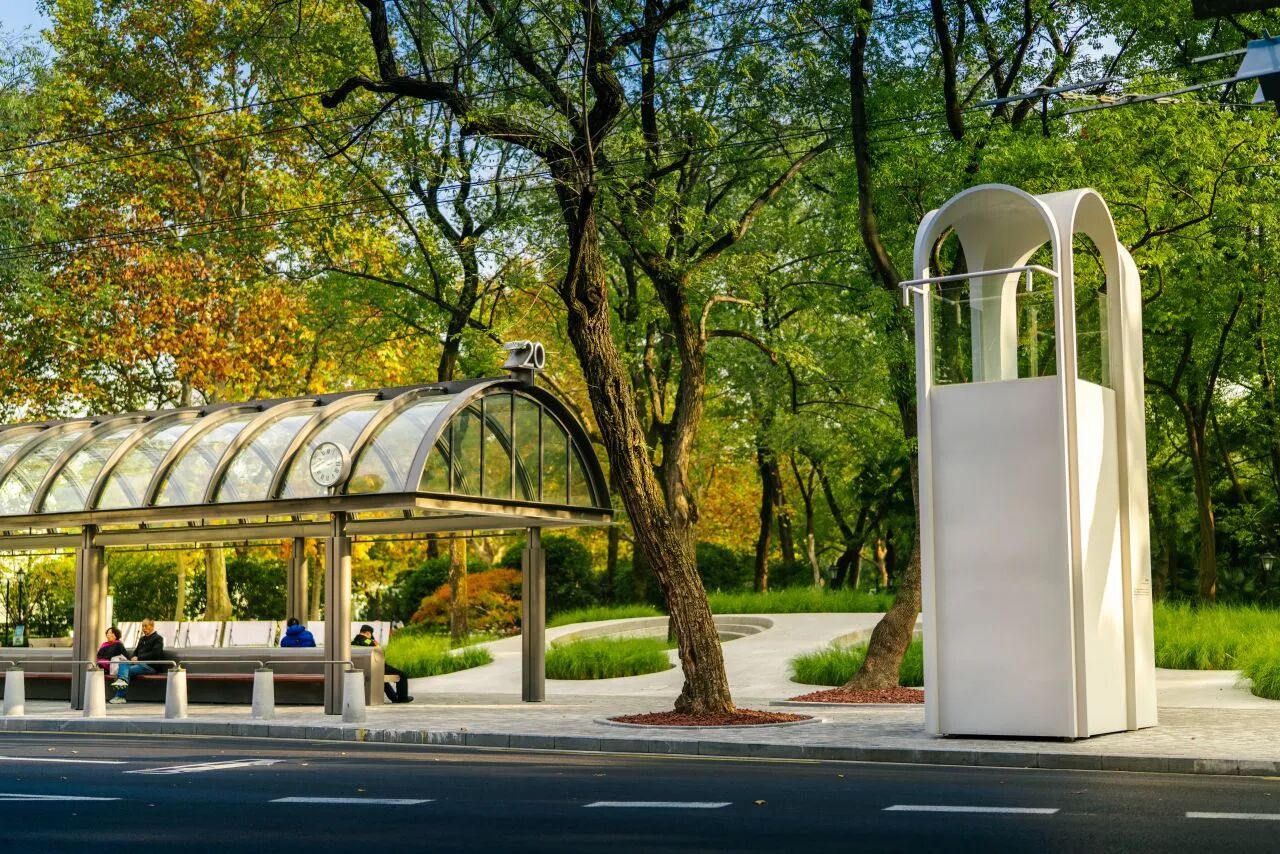
Demolishing the wall tested not only engineering skills but also meticulous management. Before the renovation, Wanhangdu Road was a mixed-use road for motor vehicles and non-motor vehicles, with the narrowest part of the pedestrian walkway only wide enough for one person to pass sideways. The construction team adjusted their approach, moving the pedestrian walkway into the park, with the path undulating along the roots of ancient trees, allowing pedestrians to walk among the shaded trees. During the consultation phase, nearby residents and students and faculty of East China University of Political Science and Law unanimously called for the preservation of bus route 20. The planning team then adjusted the plan, freeing up the park's original management buildings for public transportation, thus safeguarding the essential travel needs of citizens.
The experience gained from the renovation and reopening of parks has been continued in more parks. In recent years, Hongqiao Park and Huashan Children's Park have completed renovations. Before the renovation, Hongqiao Park had outdated facilities and limited functions; now, the 36-meter-diameter "Hongqiao Yuanting" features sunset-themed lighting, and the running track is painted with fun "Pac-Man" patterns.The planners not only considered the needs of the elderly and children, but also the relaxation needs of urban white-collar workers, making it a nice corner for office workers to unwind during their lunch break.Huashan Children's Park was once one of Shanghai's "Four Major Children's Parks." In 2023, the park, in collaboration with the Children's Publishing House, completed a renovation themed around the popular science series "100,000 Whys," which has influenced generations, becoming a model of "park + science popularization."
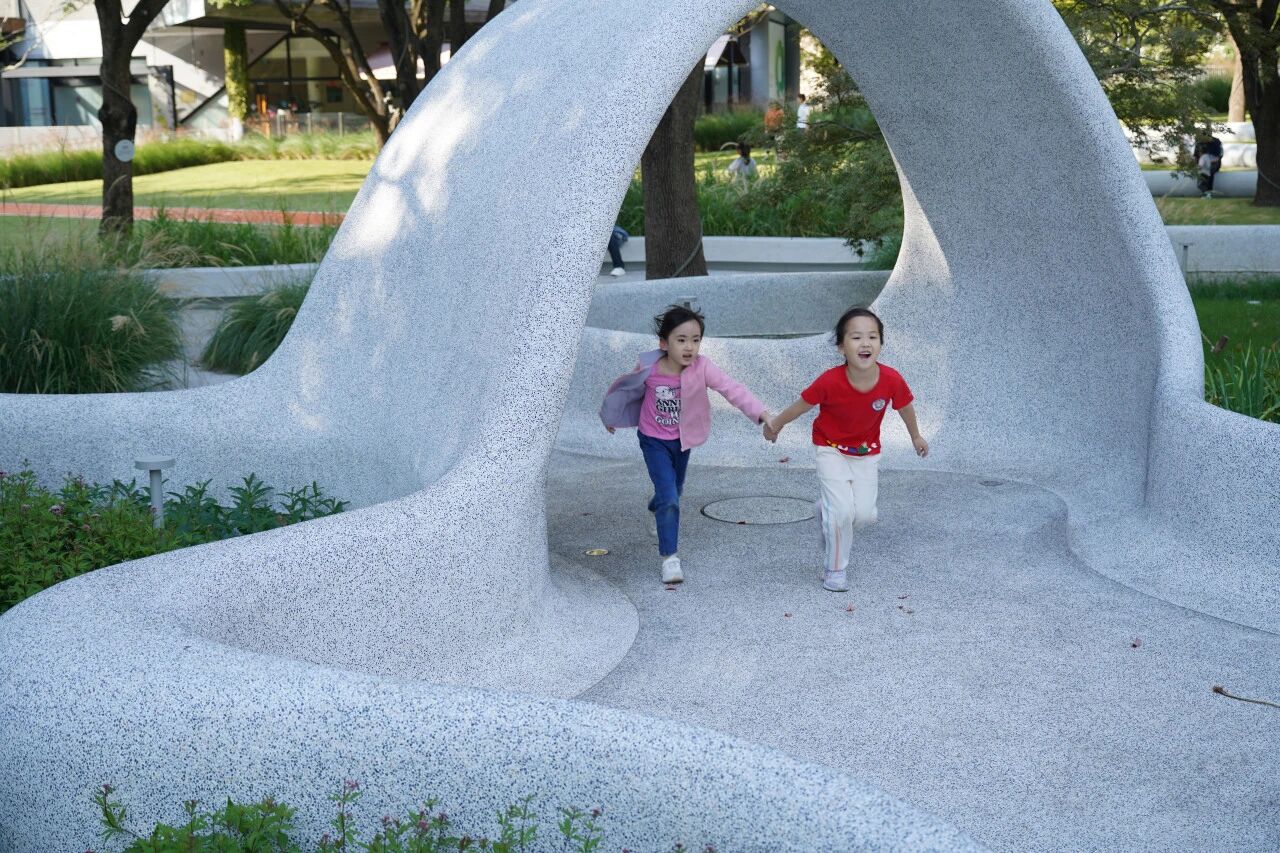
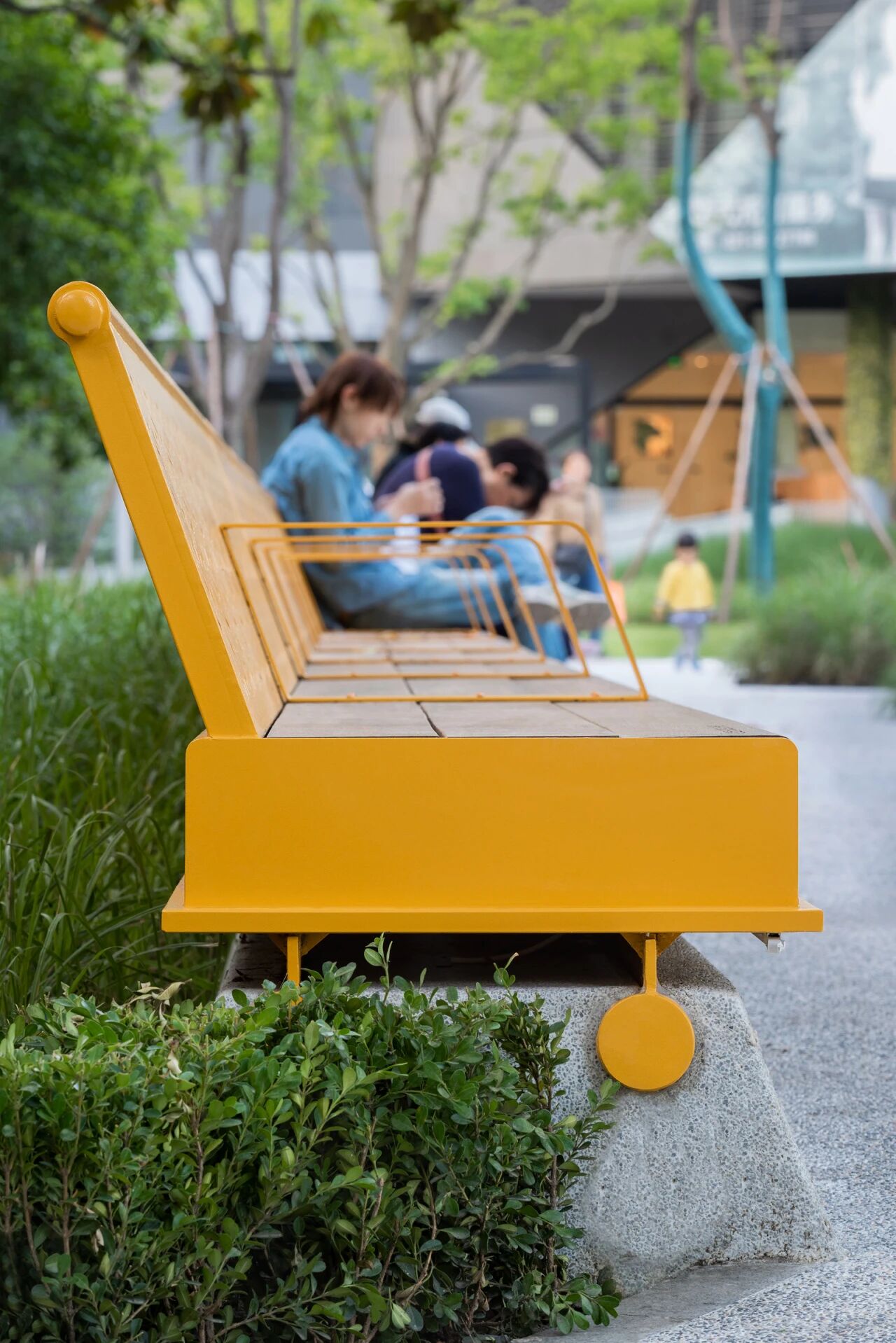
In September of this year, Tianshan Park opened this "space door" at the subway station entrance. The previously narrow pedestrian walkway, where pedestrians and vehicles shared the same space, was relocated to the green area, creating a 300-meter-long tree-lined pedestrian path. The perimeter features a transparent design with sparse woodland and grassland, removing redundant shrubs and directly opening up the greenery of the sycamore trees to pedestrians along the street. A white pedestrian overpass, like a ribbon, spans Kaixuan Road, leading directly to Yan'an West Road subway station. Tianshan Park and Haisu Green Space are now connected, forming a slow-traffic system of "two parks linked, rail transit connecting greenery," allowing visitors to enter the park immediately upon exiting the station.
Planting greenery wherever possible, bringing joy to people's lives in the gaps of the city.
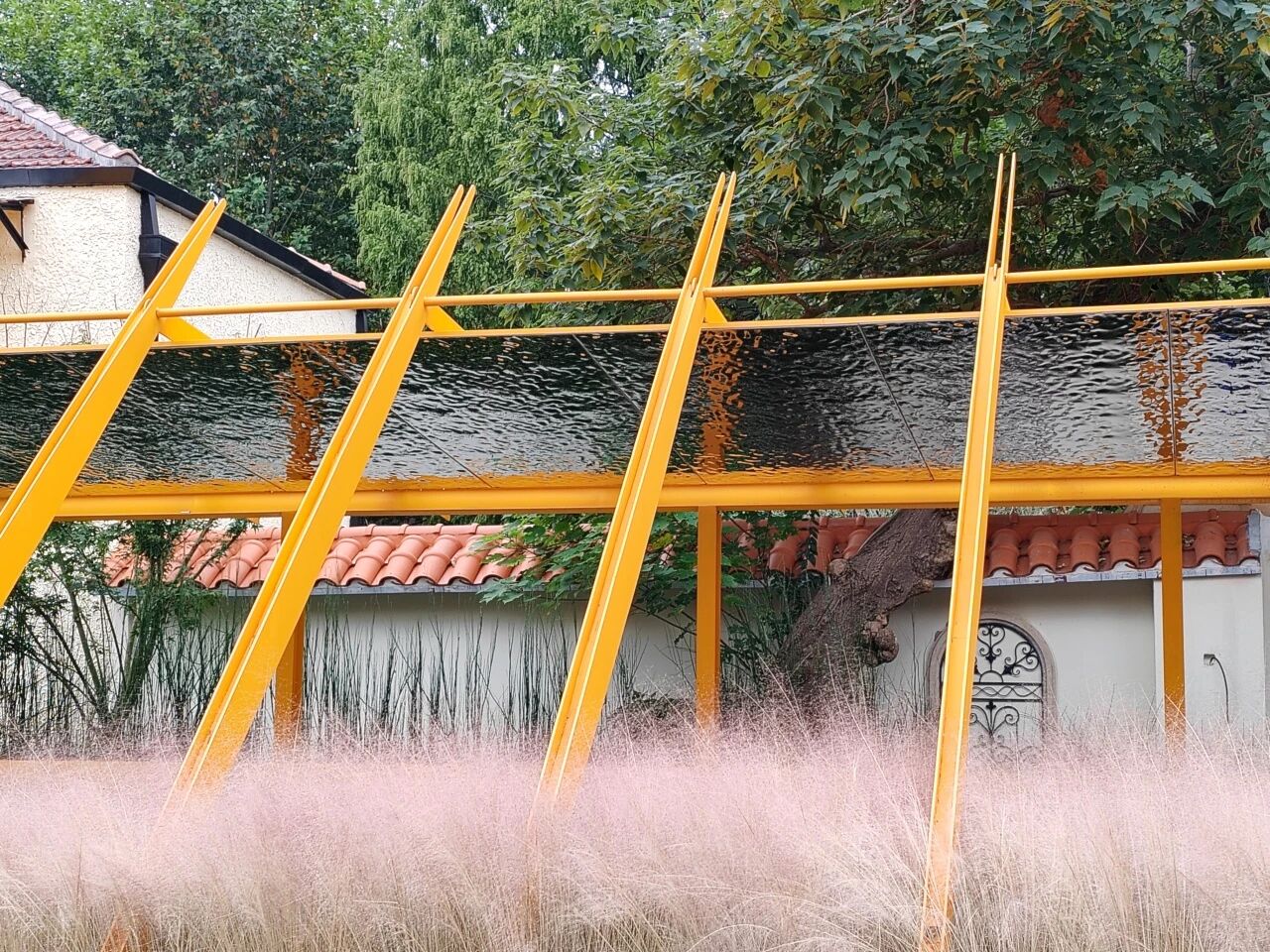
Large parks are the "green hearts" of urban areas, while pocket parks are the "green pearls" woven into the streets and alleys. Over the past five years, Changning has gradually transformed scattered small green spaces into a green network covering the communities. A number of pocket parks, such as Mirror Garden, Yuyuan Yiting, and Anshun Xinjing, have been established.
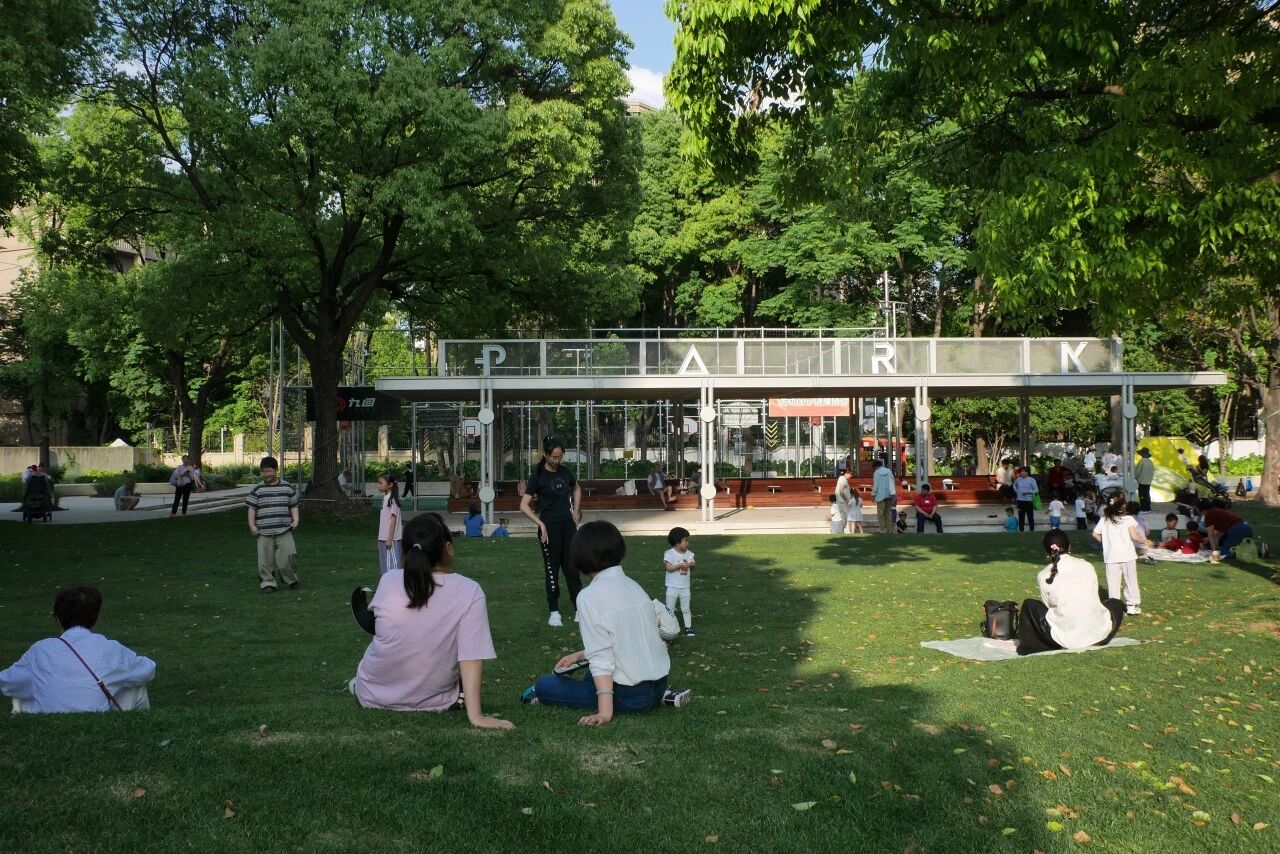
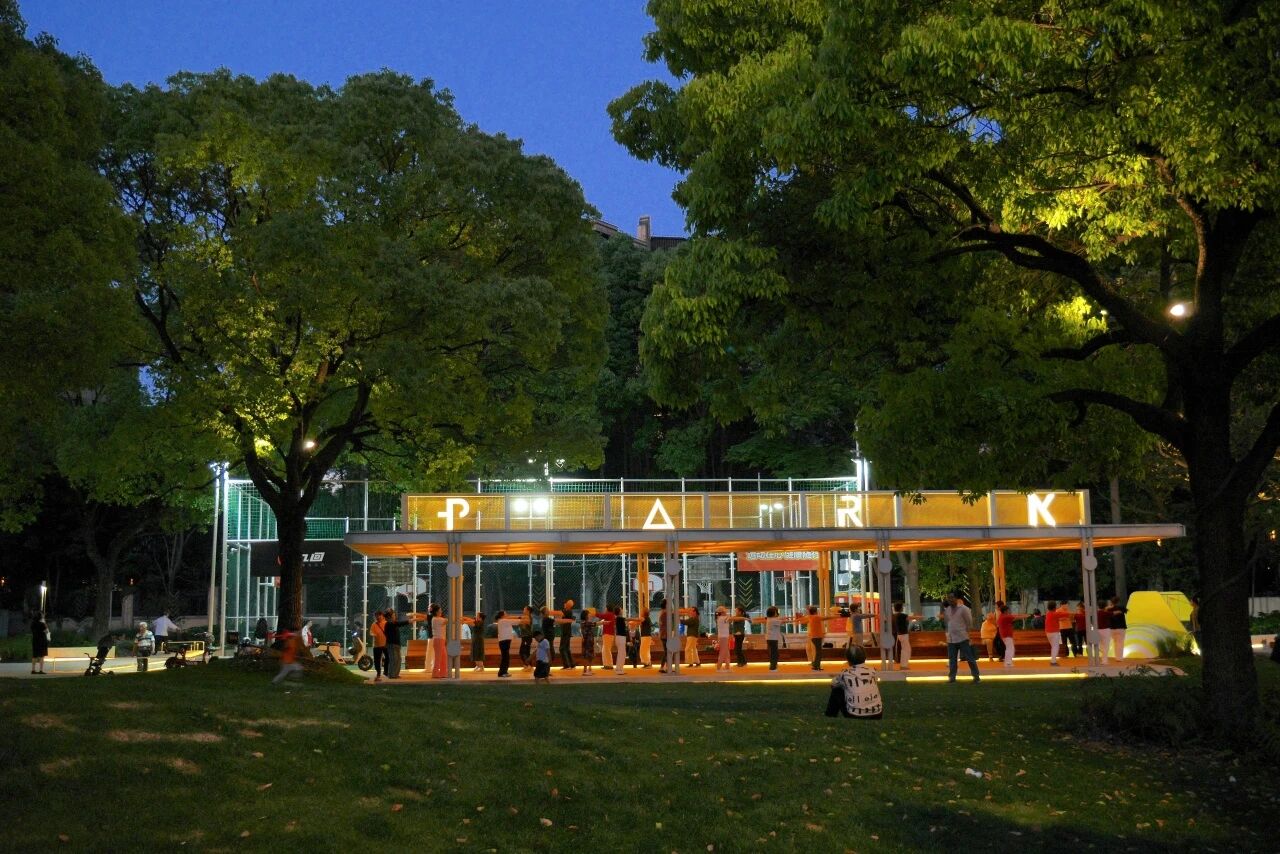
The Anshun New Realm Pocket Park, located at the intersection of Anshun Road and Dingxi Road, was formerly a dense and oppressive green space in Anshun. Residents complained about the excessive tree density and insufficient sunlight. Instead of simply cutting down the trees, the landscaping department held a meeting, solicited suggestions for a name for the park, and invited residents to preview it. Ultimately, the green space was thinned out, creating open lawns, adding a playground, fitness trails, and a standard basketball court. The micro-topography and grassy slopes have been transformed into natural "lawn lounge chairs," providing a place for neighbors to sit and for children to run. This pocket park, built by incorporating residents' opinions, has been well-received since its opening.
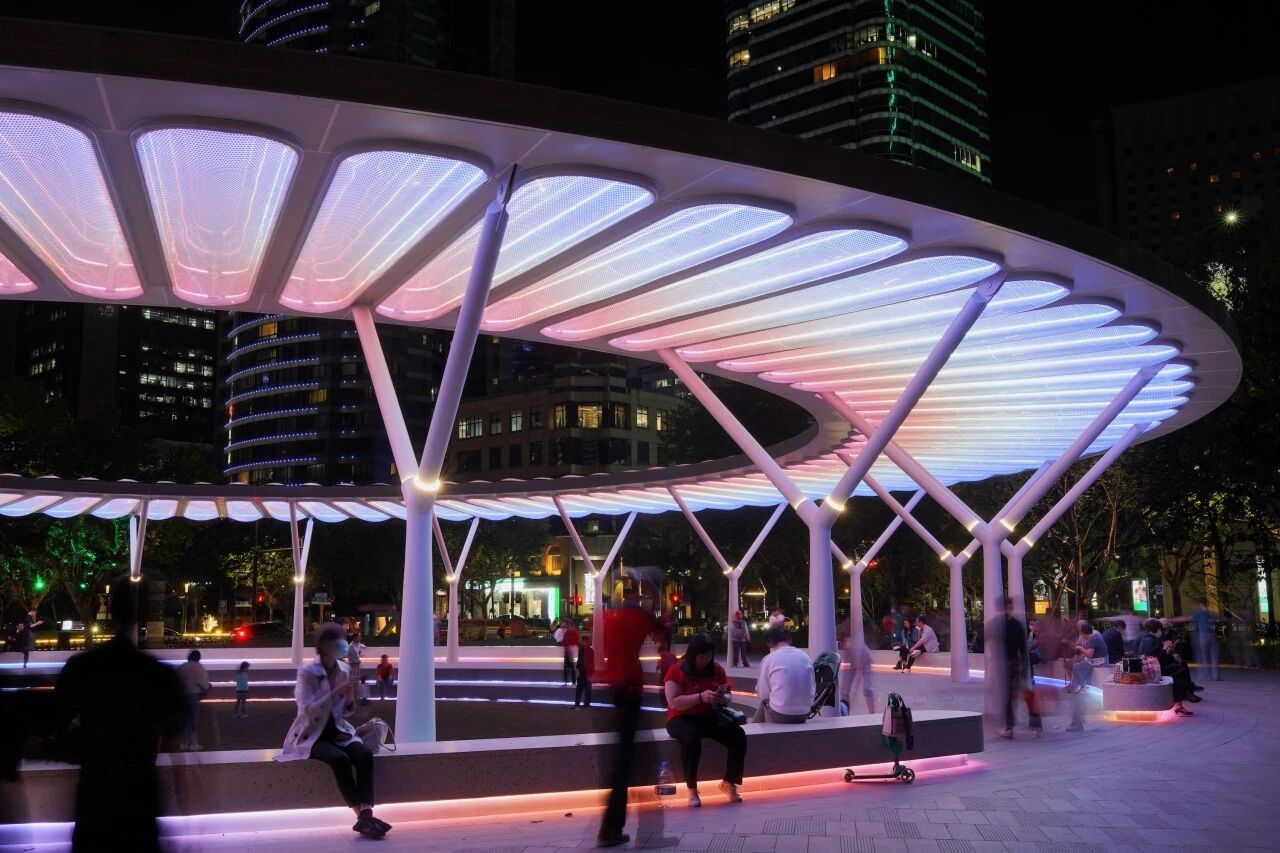
Huashan Xinyu, located at the intersection of Yan'an West Road and Jiangsu Road, is the city's first pocket park dedicated to promoting new-era civilization. During the construction phase, the district's greening department collected 48 suggestions from residents, of which 9 were adopted. The designers drew inspiration from the sycamore tree to create the Leaf Pavilion, with sycamore leaf-shaped components incorporating bilingual cultural elements. The pavilion is translucent at night, combining aesthetics with cultural significance.
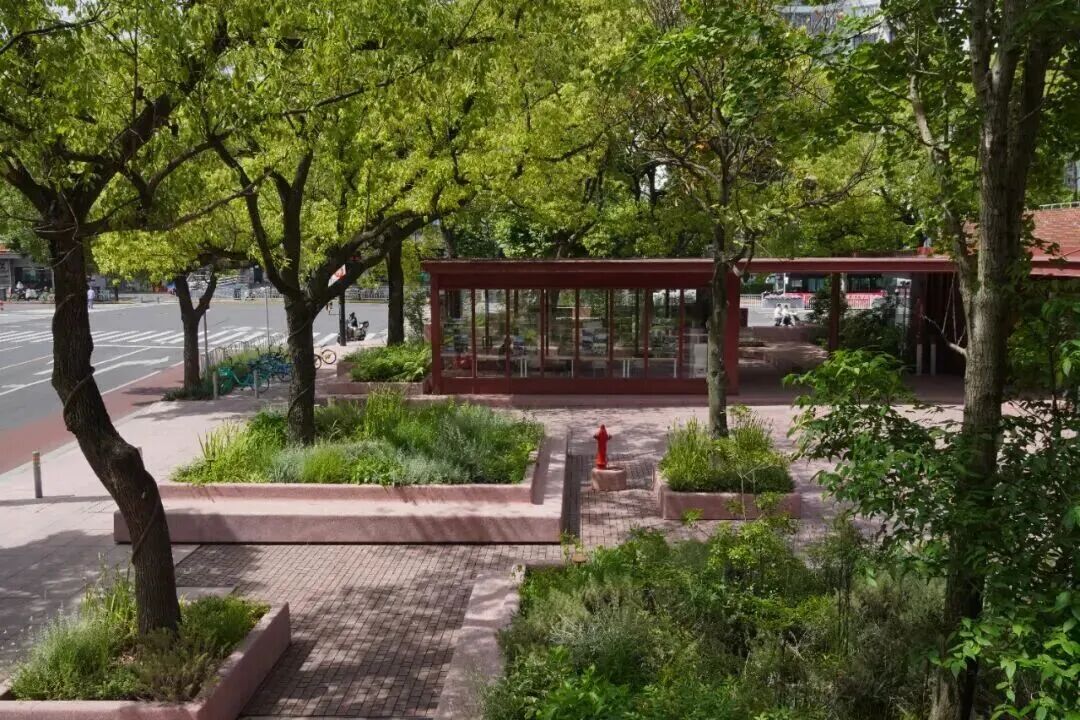
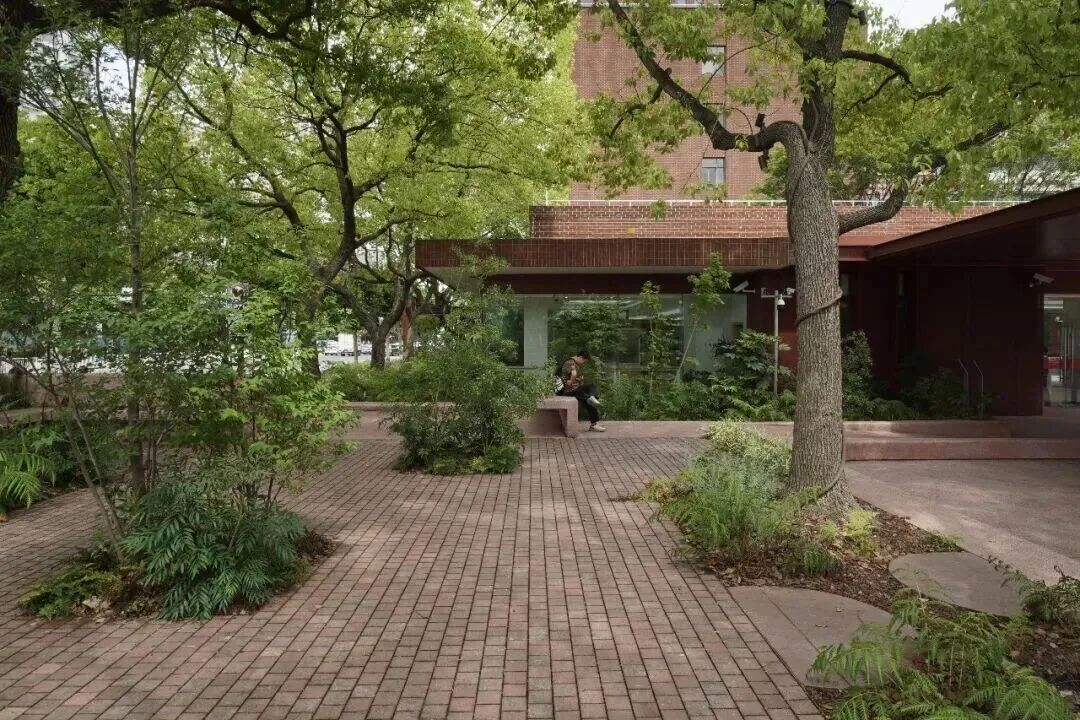
Beyond newly built pocket parks, green spaces affiliated with work units are also being opened to the public. Previously, these green spaces were exclusively owned by their respective units, enclosed by walls, allowing only distant views. In 2023, five such green spaces belonging to state-affiliated enterprises and institutions, including Beethoven Square Community, Qingling Garden, and Changning Library, were opened to the public; three more were added in 2025.The "Songyuan No. 10" on Hongqiao Road and Songyuan Road has had its walls removed, revealing a mirrored water feature and seasonal flowers and trees lining the street, along with a public rest station open to newly employed individuals and frontline urban workers. Zhoujiaqiao Subdistrict has integrated spaces such as Lexiang Garden, Huishui Tianzhong, and Tongzhou Garden, covering approximately 6,000 square meters, making it the area with the most concentrated open green spaces in the district. The subdistrict has also established the "Green Week" community forest chief alliance, inviting residents and white-collar workers to jointly manage the green spaces, allowing citizens to enjoy more green spaces.
Park+ allows green spaces to generate diverse values.
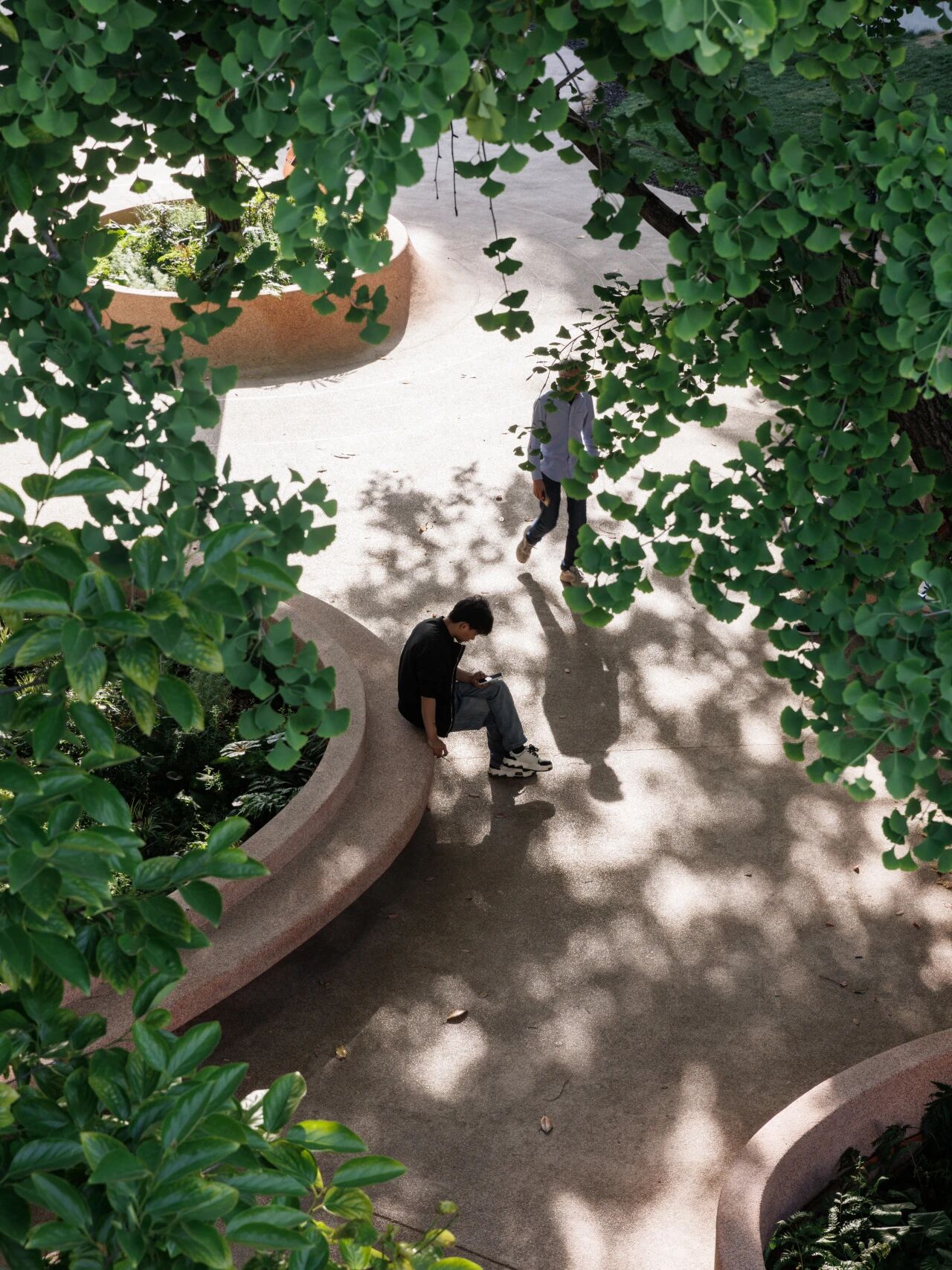
After opening 24 hours a day, Changning expanded the functions of its spaces with the concept of "park+", promoting the transformation of parks from "ecological green lungs" to "urban living rooms" and "emotional oases". The integration models of "Zhongshan Park + Culture", "Tianshan Park + Art" and "Haisu Park + Fashion" are gradually taking shape. Parks are no longer just places to "look at flowers and plants and walk along trails", but public life containers where people can read, drink coffee, do crafts and hold parties.
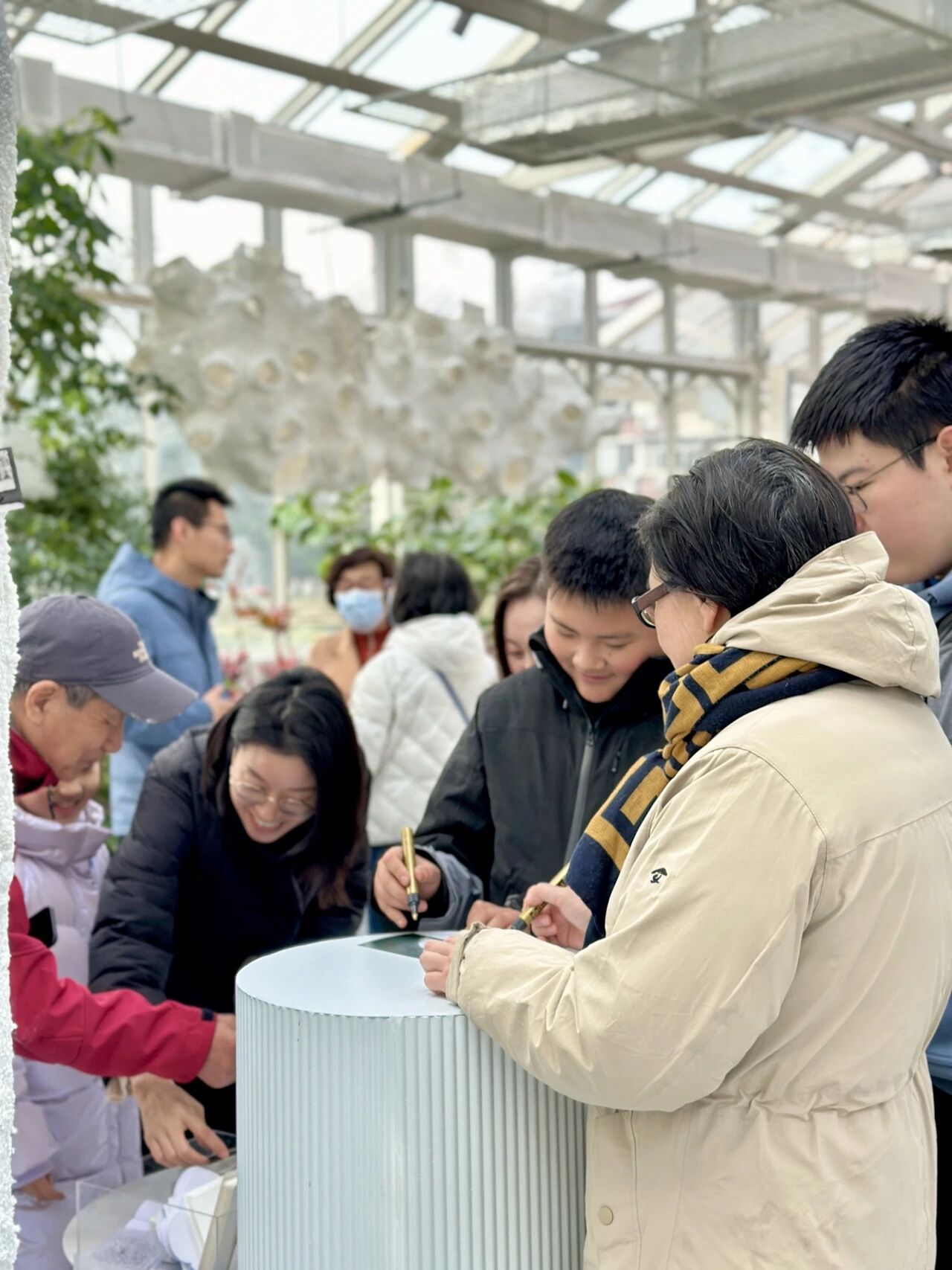
In the century-old Zhongshan Park, the former greenhouse nursery has been transformed into a civic gardening center, fully equipped with folding tables and chairs and LED screens. The space can be quickly switched between hands-on workshops, art exhibition halls, and brand showrooms. The government undertook the hardware renovation, while the operation team focused on content planning. Since its opening, it has hosted more than 100 events, with the "Cutting Clouds and Carving Snow" ice and snow installation exhibition and the "Unceasing Waves" women's themed exhibition attracting tens of thousands of visitors.
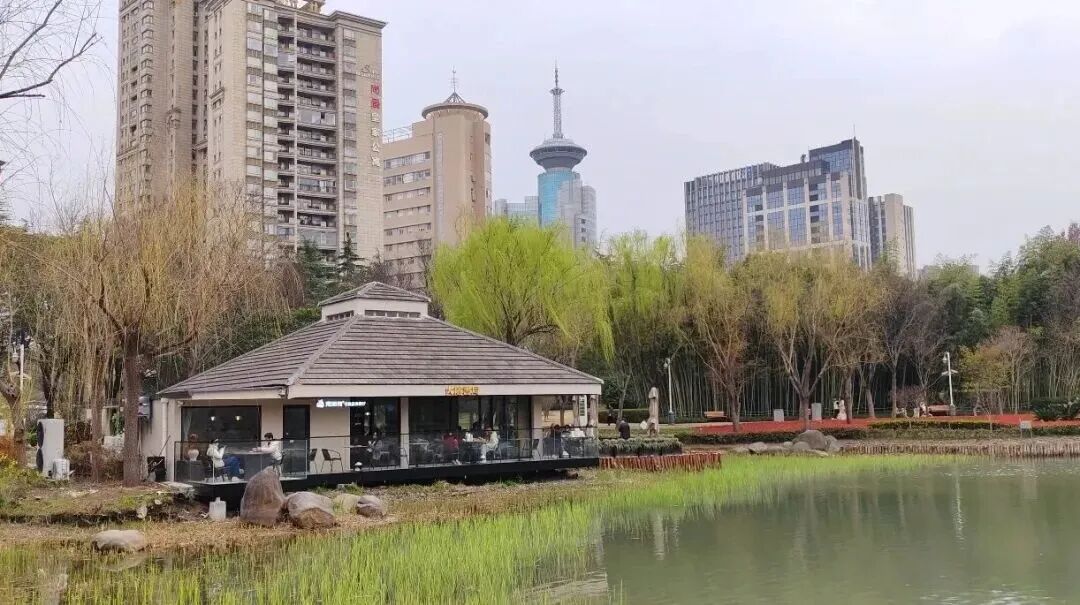
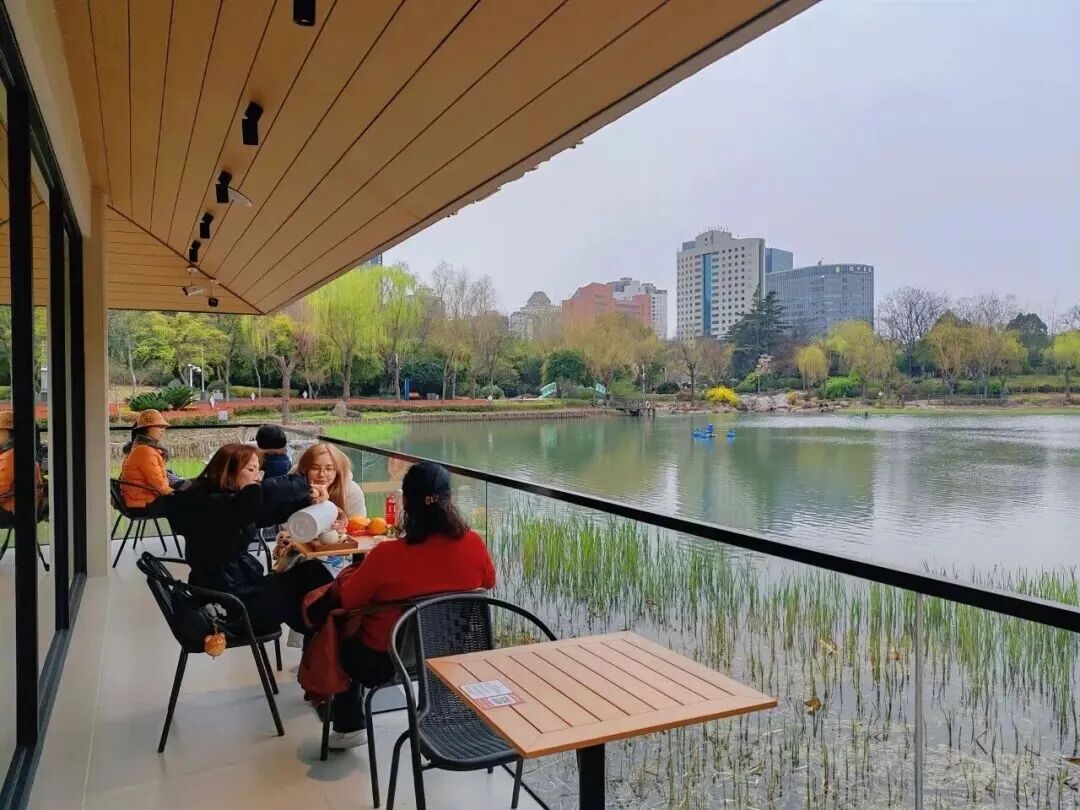
On the lake island in the New Hongqiao Central Garden, Dayin Book Mall sits just by the water, becoming Changning's first bookstore located in a park. Its panoramic floor-to-ceiling windows bring the lake view indoors, making it a rare and therapeutic spot for nearby office workers to relax and unwind during their lunch breaks . It is reported that by 2025, the district had held over 170 "Culture, Commerce, Tourism, Sports, and Green Spaces" events across various green areas, continuously enriching and expanding the functions of parks.
The park's "emotional infrastructure" attribute is being recognized. A relevant person in charge of the district's greening and sanitation bureau said: The park is upgrading from an "ecological green lung" to an indispensable "emotional oasis". It provides not only oxygen and natural beauty, but also coffee to promote social interaction, handicrafts to carry cultural memories, and music to soothe emotions.
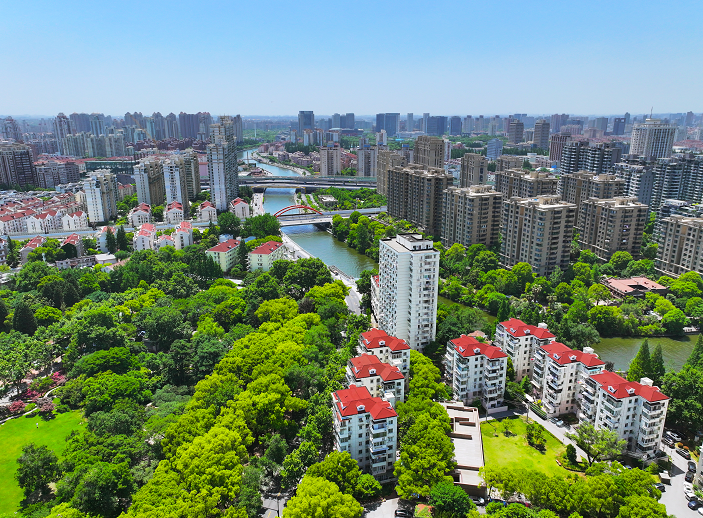
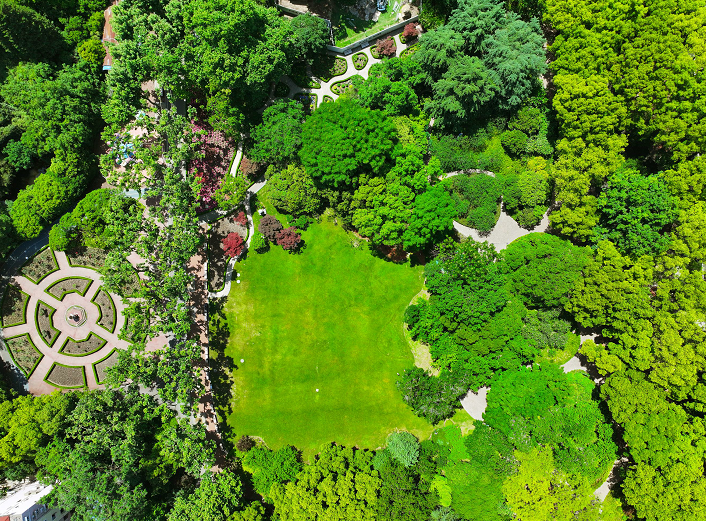
A park city is not simply an accumulation of parks, but a deep integration of green spaces and urban functions. From 2022 to 2026, Changning District added 9.74 hectares of new public green space, over 100,000 square meters of vertical greening, and the total length of urban greenways exceeded 5 kilometers. By the end of 2025, the regional green coverage rate reached 34.33%, the per capita park green space area was 7.81 square meters, and the coverage rate of parks with a service radius of over 3,000 square meters within 500 meters reached 95.68%, with many indicators ranking among the top in the central urban area. But more noteworthy than the data is the change in the "significance" of parks in citizens' daily lives: they have transformed from a "destination" visited only on weekends into a "third space" that can be entered right downstairs; from landscapes enclosed by walls for distant viewing, they have become the everyday backdrop for breakfast coffee, midday relaxation, evening walks with children, and late-night jogs.
More valuable than impressive statistics is the people-centered democracy that runs throughout the entire process. The confidence in urban renewal comes from repeated public consultations. Whether a plan is good or not, the residents have the final say; reasonable demands are incorporated and implemented, and different ideas are patiently explained. By involving citizens in the co-construction chain from the planning stage, everyone will truly cherish this green space after completion.
Changning's parks are undergoing a profound transformation, evolving from isolated landscape features into integral urban cells embedded in daily life. They are open 24/7, walls are gradually being removed, green spaces are expanding beyond fences, pocket parks are filling gaps in streets and alleys, and community green spaces are opening to the public. Greenery is no longer merely urban decoration, but a carrier of life, embodying culture, art, sports, and everyday life.
Open your window to see greenery, step out to enter a park. In Changning, the core of parks that can be visited 24 hours a day is never "24 hours," but rather accessible and enjoyable by everyone.