Changning's ecological habitat makes another appearance at an international conference 发布时间:2026-11-05 信息来源:上海长宁
The 17th Conference of the Parties to the Convention on Biological Diversity (COP17) recently opened in Yerevan, the capital of Armenia. On October 28, the "Building a Model of Biodiversity-Friendly Cities" Shanghai Day event was featured at the COP17 "China Pavilion," where Changning's biodiversity conservation practices, exemplified by the "Habitat+" initiative, once again attracted international attention.
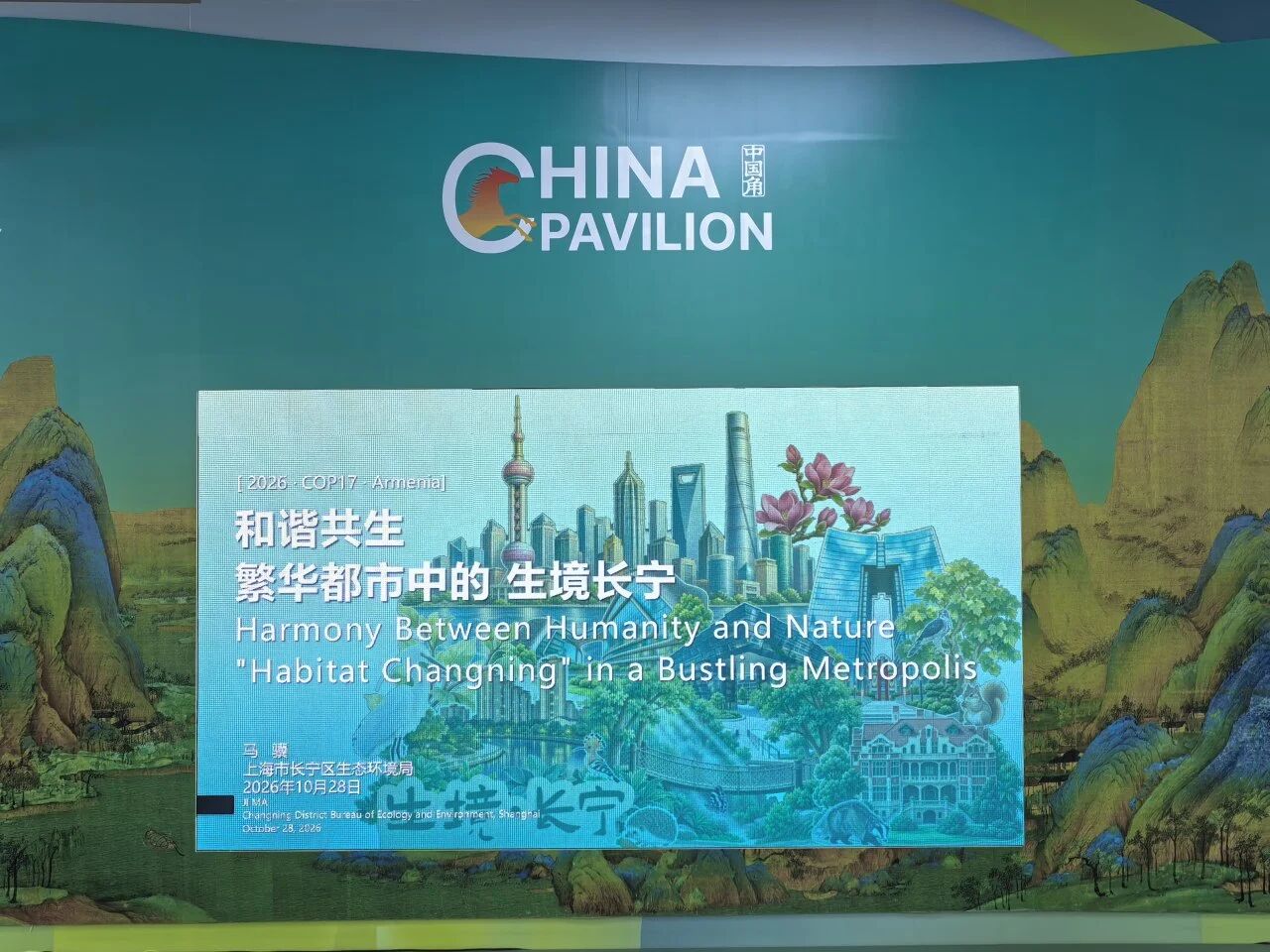
In the heart of Shanghai, where land is incredibly valuable, can a city be both an efficient home for humans and a habitat for flora and fauna? During a COP17 exchange event, the head of the district's Ecological Environment Bureau shared an answer from a high-density urban center, titled "Harmony Between Humanity and Nature – 'Habitat Changning' in a Bustling Metropolis'."To date, Changning has established 32 habitat gardens of various types, recording 1,342 species, and this number continues to grow.
Planning and Guidance: Weaving a Network of Habitats
Changning is a typical example of a high-density urban area in Shanghai. On this land of only 37.18 square kilometers, there is a resident population of 690,000. It has a high economic density and a high degree of internationalization. Foreigners and highly skilled talents gather here, and diverse cultures blend and coexist. It was recently selected as one of the "Coolest Neighborhoods in the World" by the world-renowned urban lifestyle guide magazine Time Out, ranking 26th.
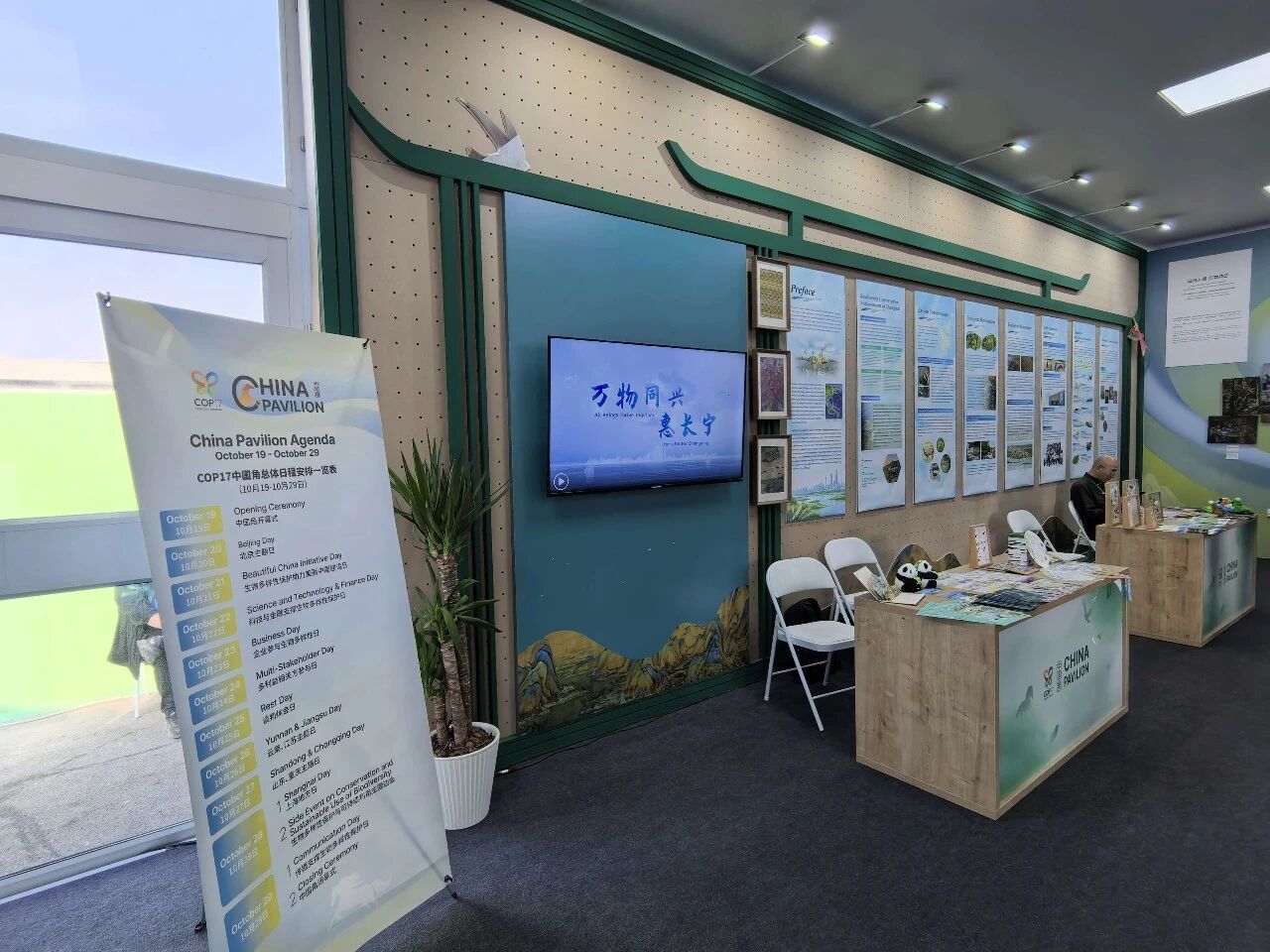
In fact, Changning is not only a high ground for commerce and life, but also a vibrant habitat amidst the bustling urban prosperity. It boasts historical and cultural neighborhoods that are easy to stroll through and open and shared green spaces. Its per capita green area ranks among the top in Shanghai's central urban area. It also has the potential to achieve "the city in the garden, surrounded by forest corridors, and interwoven with blue and green,” allowing the bustling metropolis and the vitality of nature to blend together.
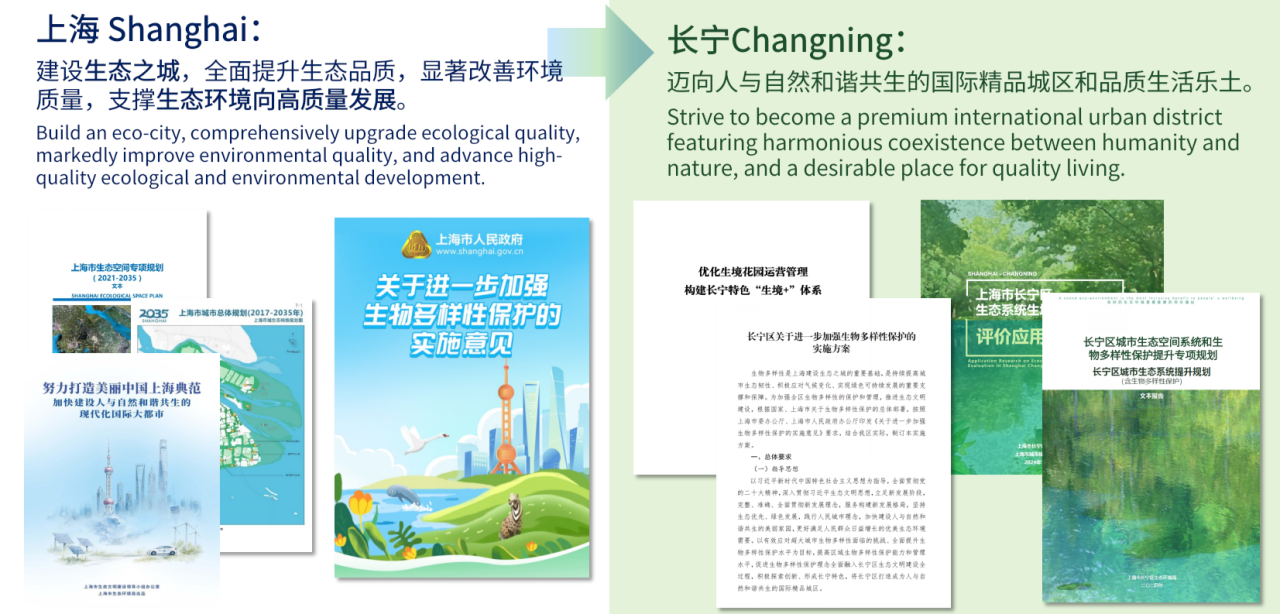
For many years, Changning has actively aligned itself with the action goals of the Kunming-Montreal Global Biodiversity Framework, taking the construction of "Beautiful Shanghai" initiative as its guide, and has continuously explored biodiversity conservation pathways suitable for high-density international central urban areas. It has formulated the "Changning District Urban Ecological Space System and Biodiversity Conservation and Enhancement Plan," aiming to create an international boutique urban area where humans and nature coexist harmoniously and a paradise for quality living, while also contributing Shanghai Changning's experience to the promotion of biodiversity conservation in global cities.
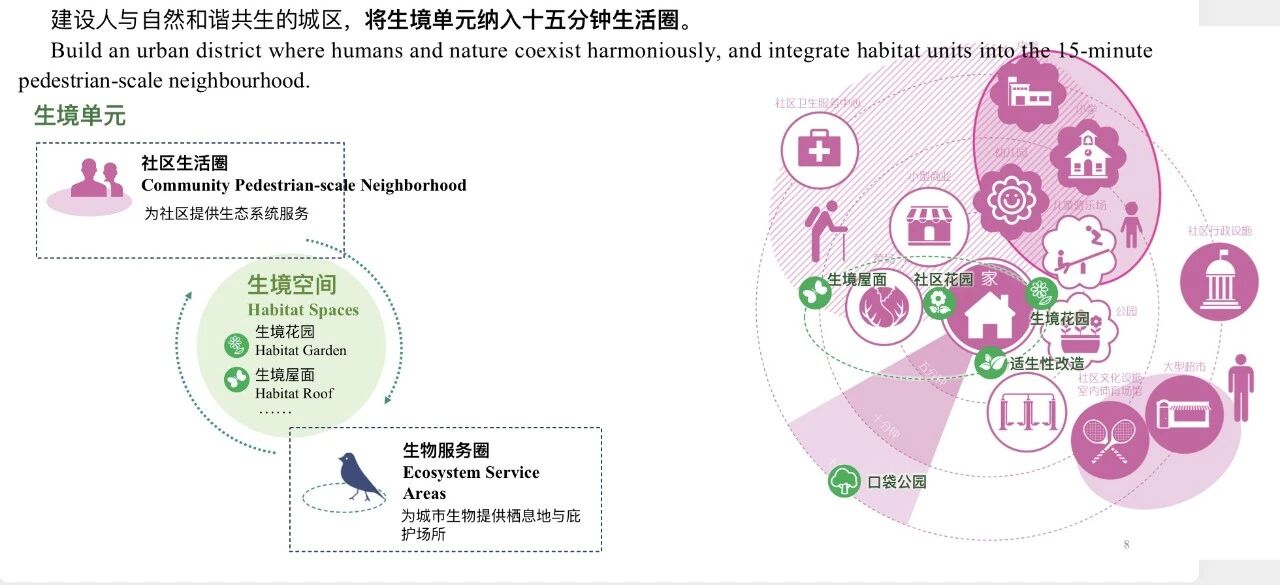
Its core strategy is to build a systematic urban habitat network. Changning integrates the district's green spaces, water resources, biological resources, and built environment to create "habitat+" spaces: starting from the "source" of various types of habitats, it connects to various "micro-habitats" distributed in the built environment through rivers, lakes, ecological corridors, and fiber green corridors, ultimately forming a three-dimensional urban habitat system network of "habitat city - habitat community - habitat garden", and continuously creating habitat units and incorporating them into the "15-minute living circle".
Holistic planning: Enabling every inch of land to realize its ecological value
In terms of spatial planning, Changning has completed two major tasks.
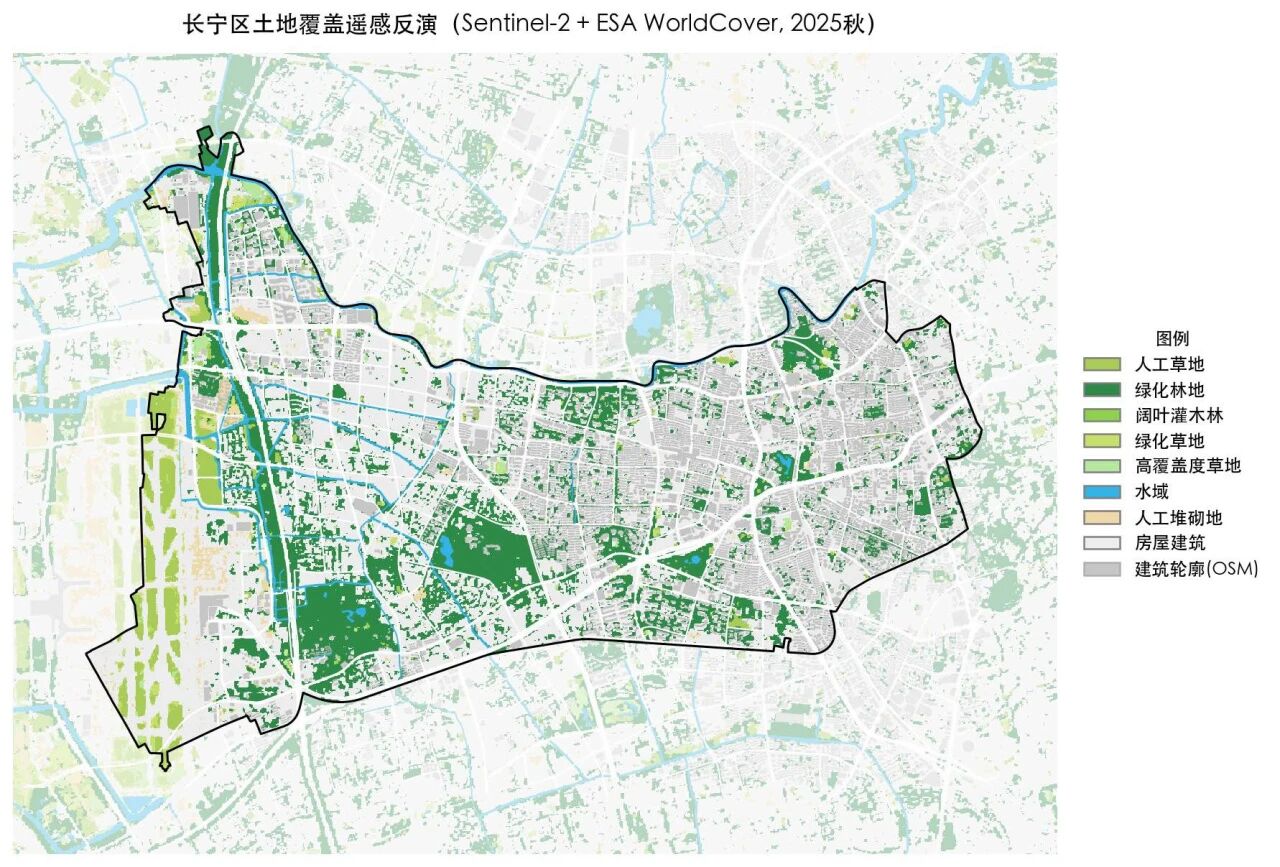
First, a habitat potential map covering the entire area was drawn up. Changning took the quality, scale, connectivity, and disturbance of habitats as four key elements, combined with the species functional group list, and systematically assessed traditional ecological spaces such as parks, green spaces, and water bodies. At the same time, habitat potential stratification analysis was carried out for different structures to fully explore the ecological value of each space.
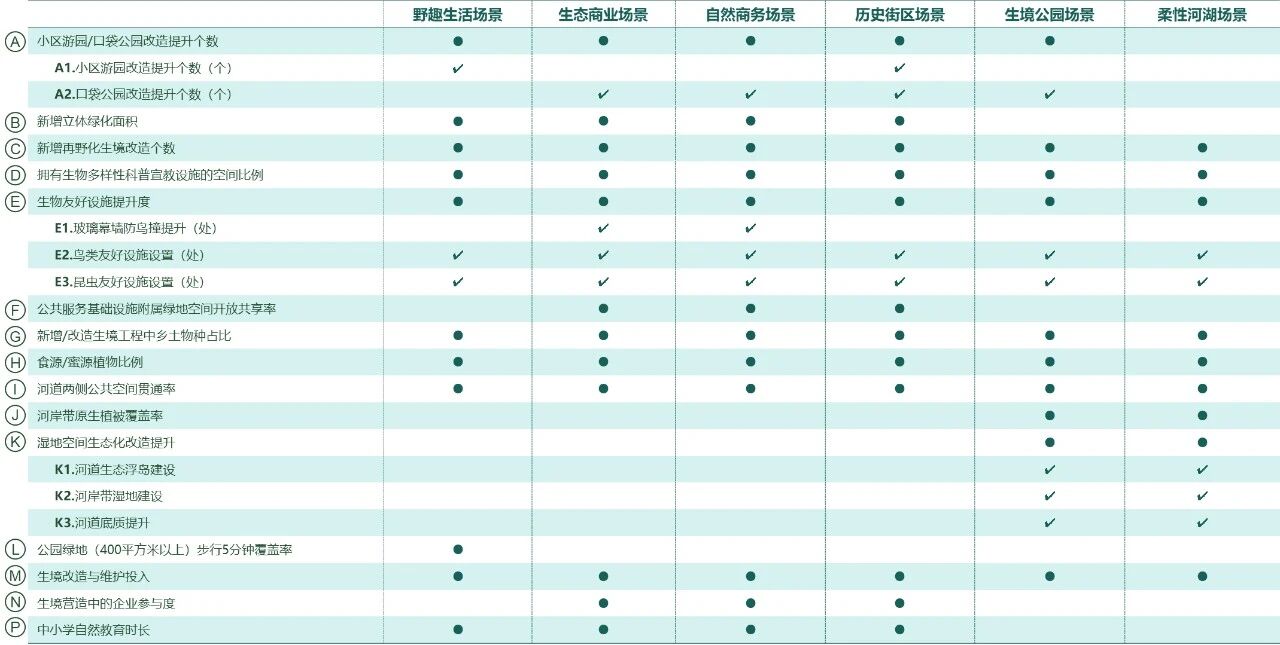
Second, establish a toolbox that matches different spatial scenarios. Changning has developed a refined indicator system for different urban spaces: in the "habitat park" scenario, it focuses on the proportion of native species and the proportion of food and nectar plants; in the "ecological commerce" scenario, it focuses on the improvement of public greening, vertical greening, corporate participation, and bio-friendly facilities.
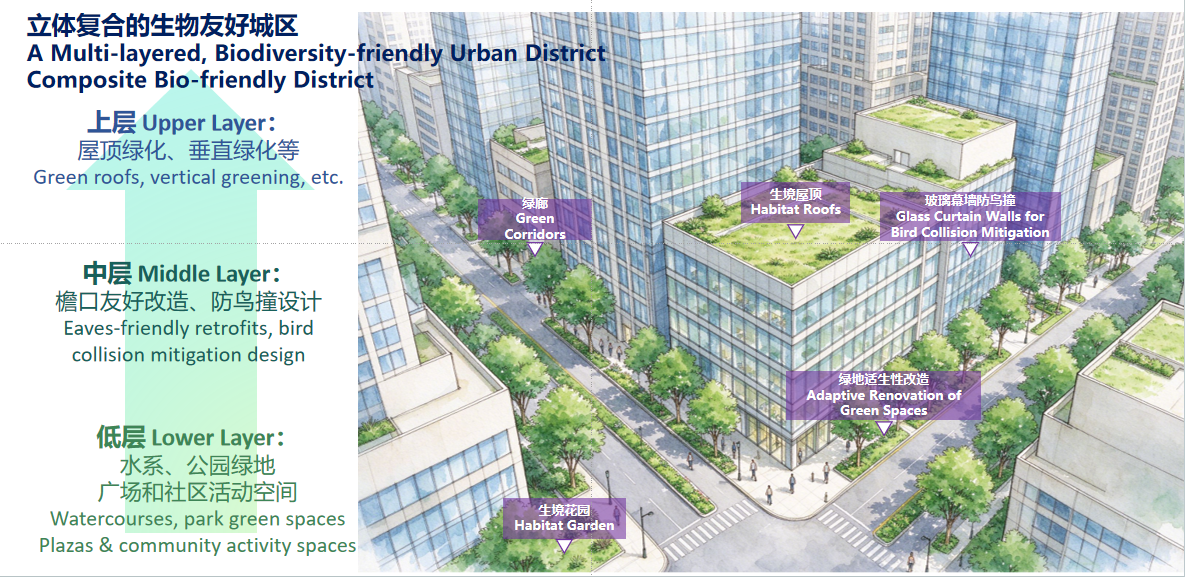
At the same time, Changning places special emphasis on the construction of a "three-dimensional, integrated, bio-friendly urban area": in the upper space, promoting rooftop greening and vertical greening; in the middle space, implementing friendly renovations of eaves and bird-proof designs; and in the lower space, strengthening water system protection, opening up parks, green spaces, and public spaces, so that bio-friendliness is integrated into every detail of the city.
In creating habitat units, Changning follows five principles: using native plants to enrich plant communities, providing supplementary food, water, or shelter for urban wildlife, eliminating invasive plants, and reducing the use of pesticides and fertilizers.
Diverse Scenarios: From Community leftover spaces to Green Spaces in Business Districts
In the process of building the "Habitat+" network, Changning has explored various scenarios.
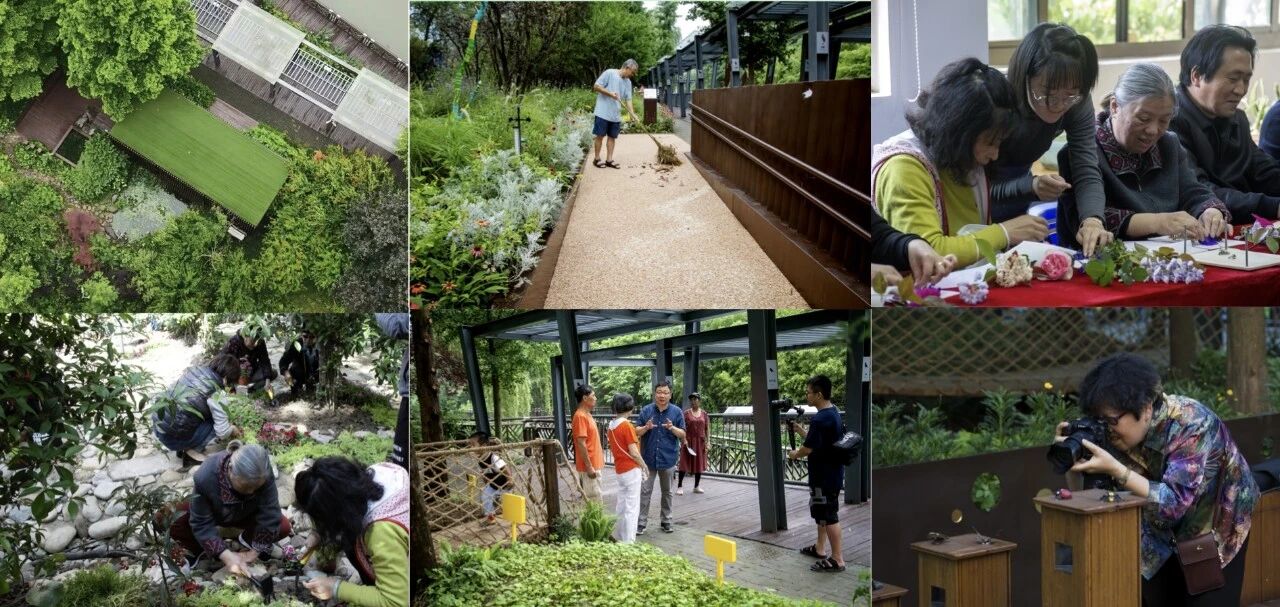
In the "habitat + community" scenario, Changning has transformed "leftover" spaces in communities into community habitat gardens with broad public participation. The Leyi Habitat Garden in Lvba Community was originally a corner of the community filled with clutter. Through urban micro-renewal, the terrain was transformed, native species were introduced, and pesticide and fertilizer use was restricted. Now it has become a mini "country park" right at the doorstep of residents, equipped with science education facilities, and has become a popular spot for residents to observe nature and carry out nature education.
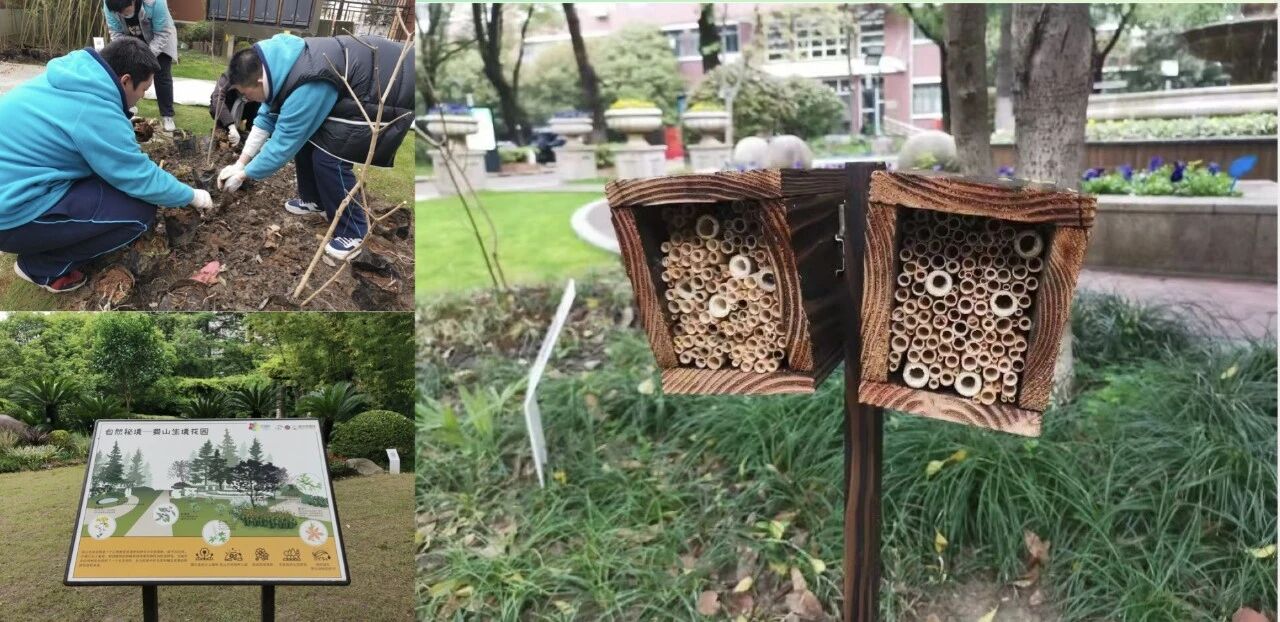
In the "habitat + school" scenario, Loushan Middle School built the first campus habitat garden, which not only planted native plants, but also developed "habitat +" courses, allowing children to receive nature education on campus.
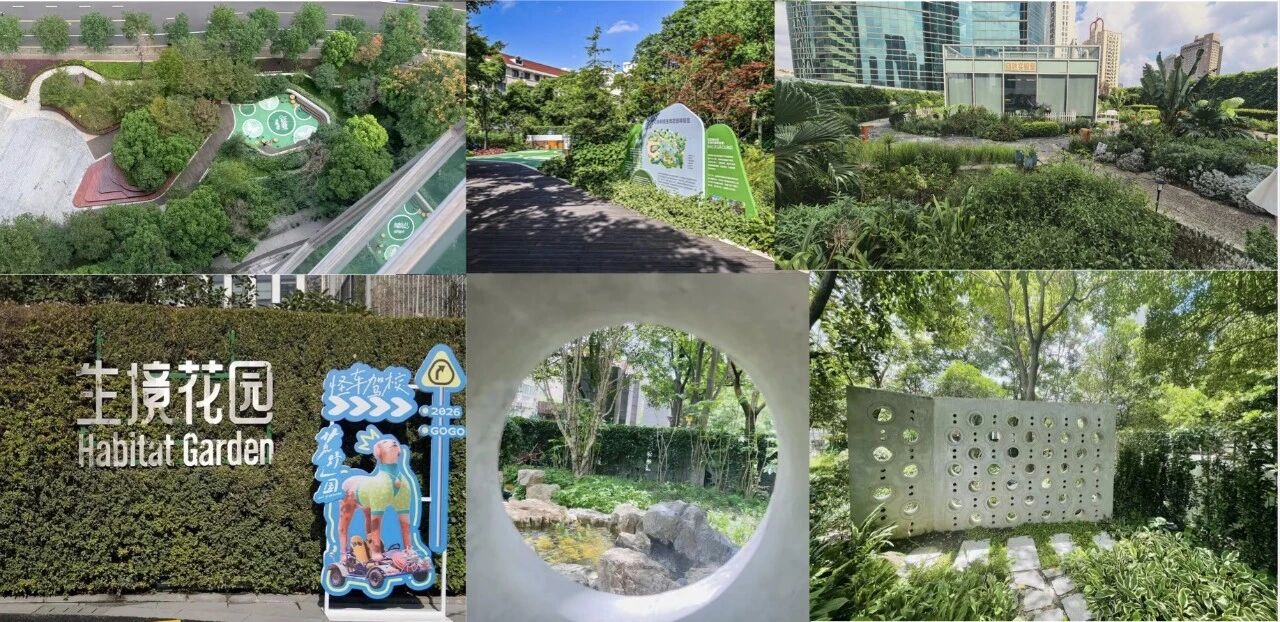
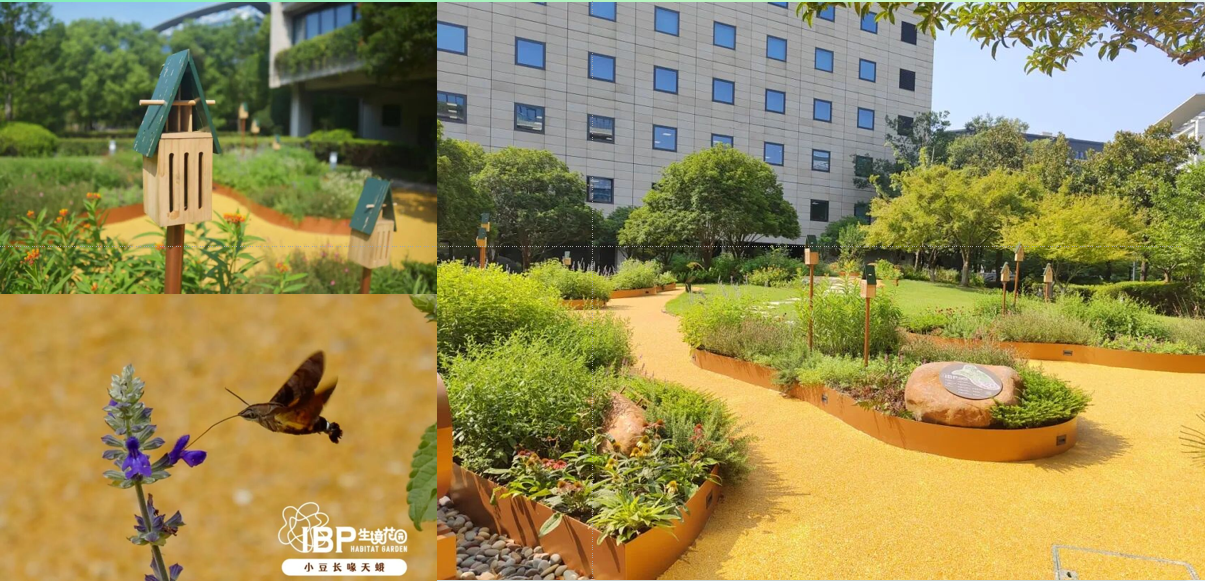
In the "habitat + commercial area" scenario, the commercial landscape space of Hongqiao Nanfeng City has been transformed into a habitat garden; IBP International Business Park incorporates habitat creation into the operating environment and the company's own long-term sustainable development goals, practicing corporate social responsibility through action, and giving the commercial space an ecological warmth.
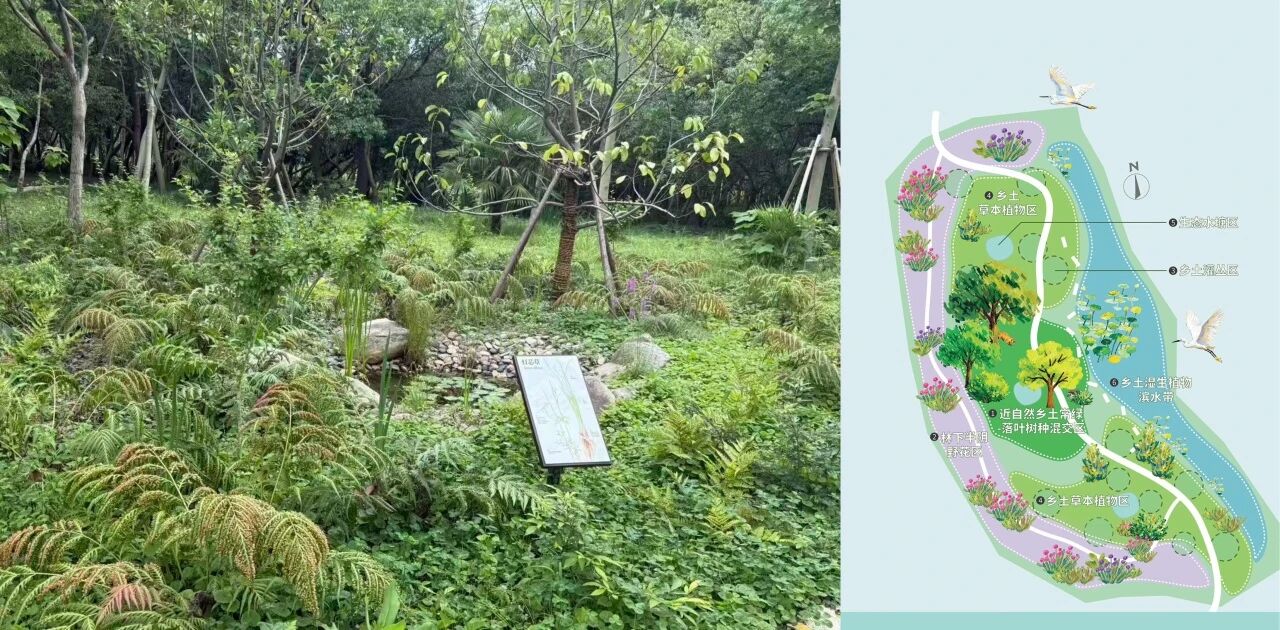
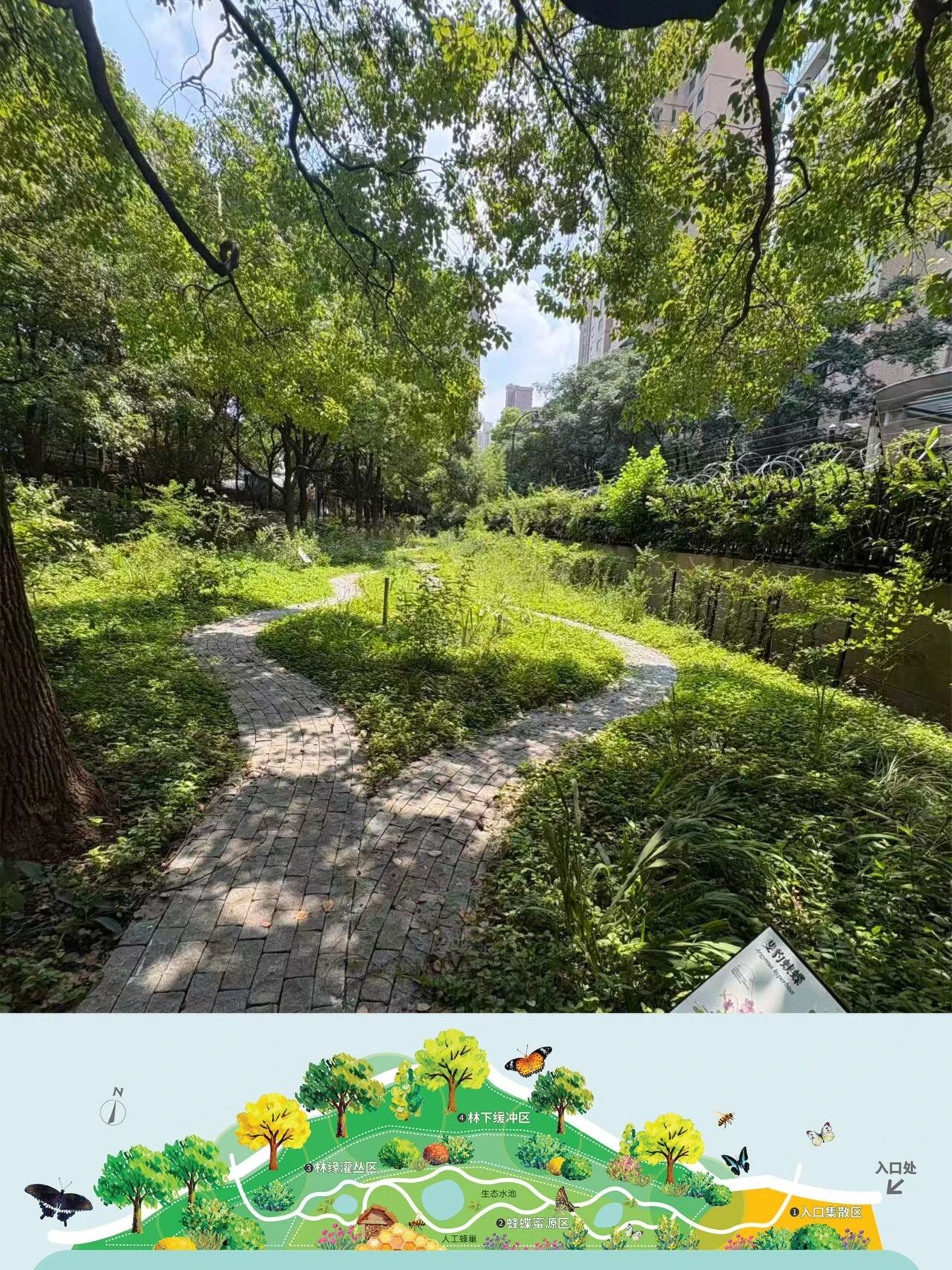
In the "habitat + park" scenario, Zhongshan Park and Changning Outer Ring Ecological Greenway have made "rewilding" attempts, creating "Lingxi Secret Realm" which is accessible in half an hour, with hidden stream wetlands under the forest and "underwater forest", allowing citizens to experience the fun of the wild in the bustling city.
Co-governance and shared benefits: Building a protection framework with the participation of all citizens
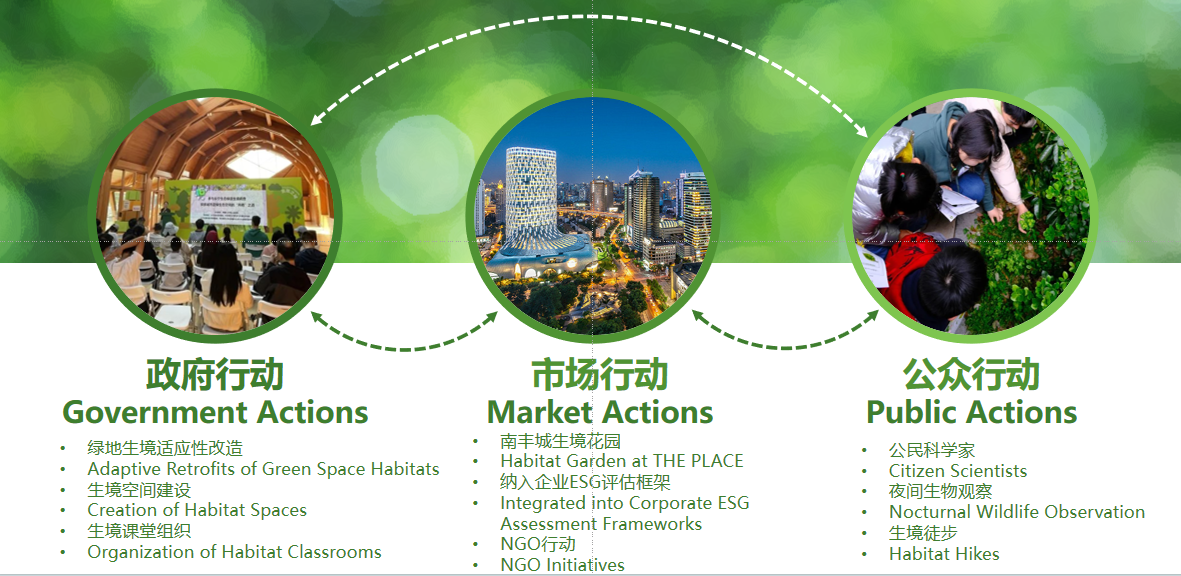
These achievements are inseparable from diverse participation and collaborative action. Changning actively practices whole-process people's democracy, forming a tripartite synergy among the government, the market, and the public: the government is responsible for the adaptive transformation of green space habitats and spatial construction; market entities such as Hongqiao Nanfeng City and IBP International Business Garden incorporate habitat gardens into their operational environment and ESG construction; and the public deeply participates in biodiversity conservation through activities such as participation in construction and management, the "Citizen Scientist" project, nighttime biological observation, and habitat hiking. At the same time, Changning also promotes biodiversity conservation by conducting activities such as "Habitat Classrooms," nature journal competitions, and immersive science popularization, enabling more citizens to understand and participate in biodiversity conservation and planting the seeds of ecological protection in their hearts.
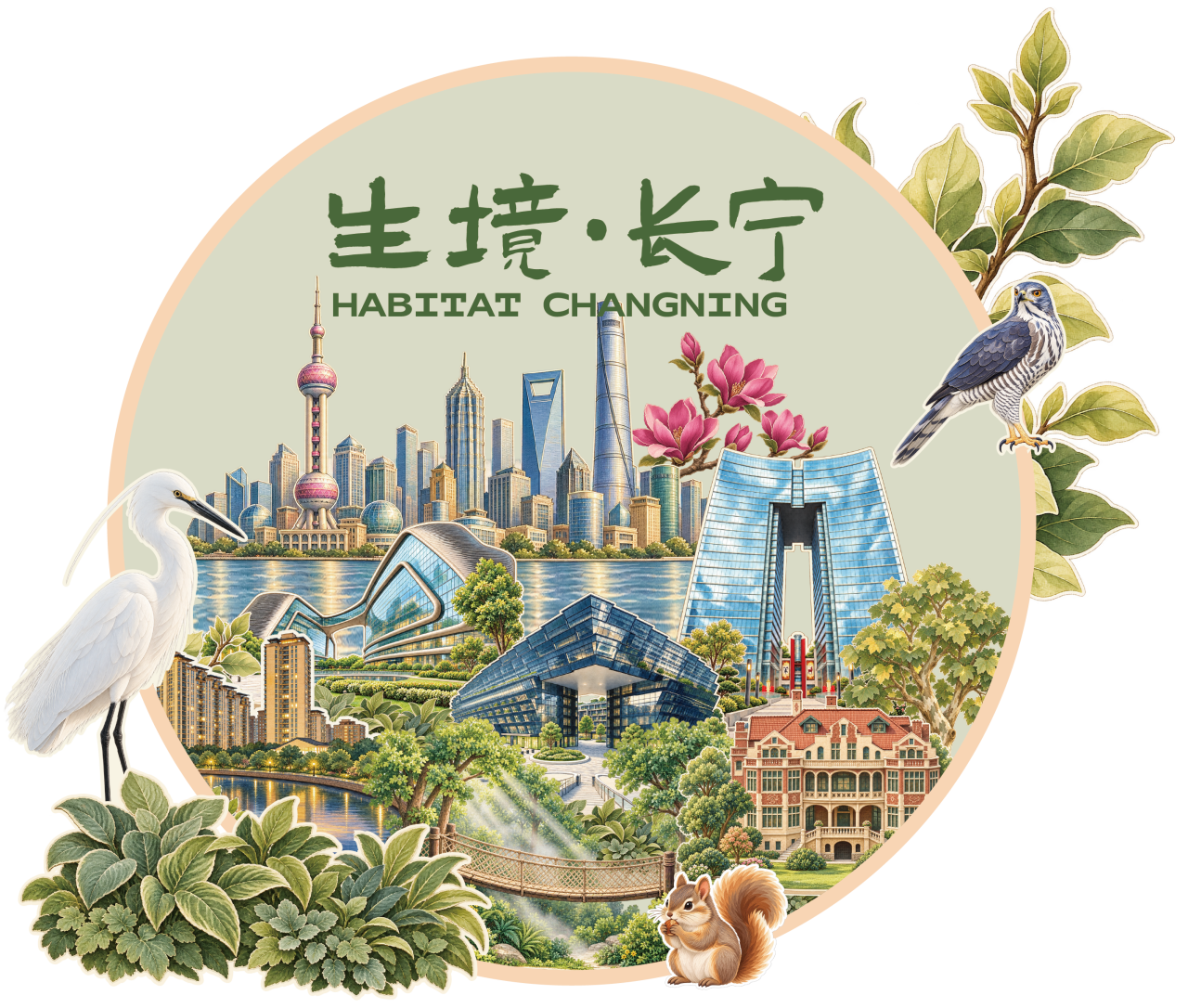
Changning is striving to prove that high-density urban areas are not wastelands of biodiversity, but rather a home where humans and nature can coexist harmoniously. From habitat gardens to habitat cities, from government-led initiatives to community-wide governance, Changning is painting a vibrant picture of urban life amidst prosperity.
"By adhering to the principle of harmonious coexistence between humanity and nature, we can create a path of harmony and sustainability, and jointly build a beautiful home where all things live in harmony." This is Changning's voice on the world stage, and it's looking forward to sharing its experience with cities around the world and jointly exploring the path of biodiversity conservation in high-density urban areas.